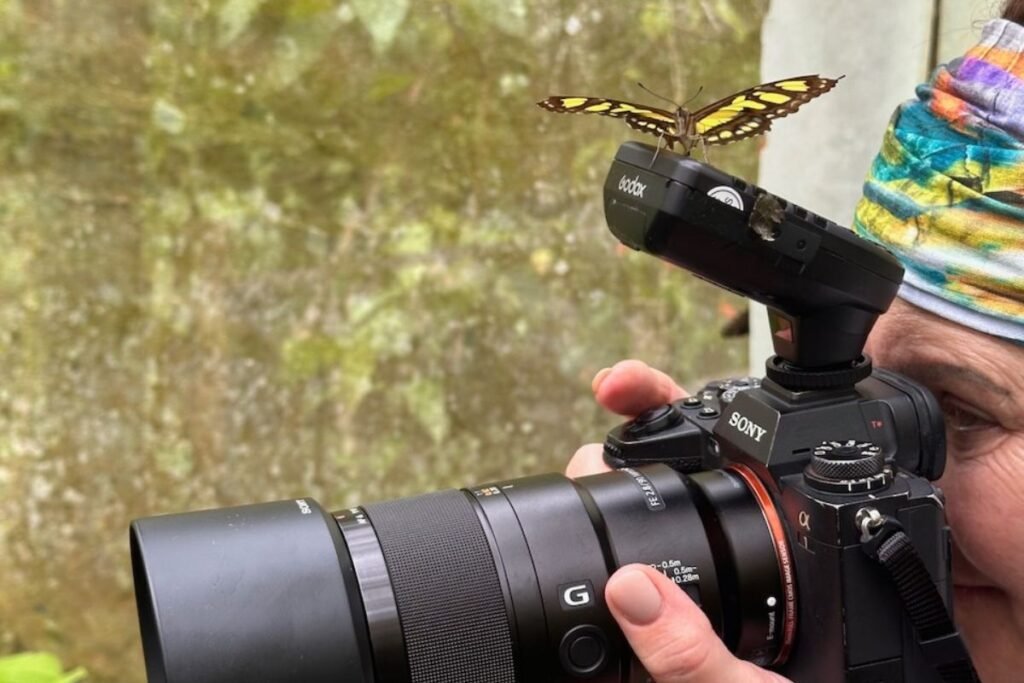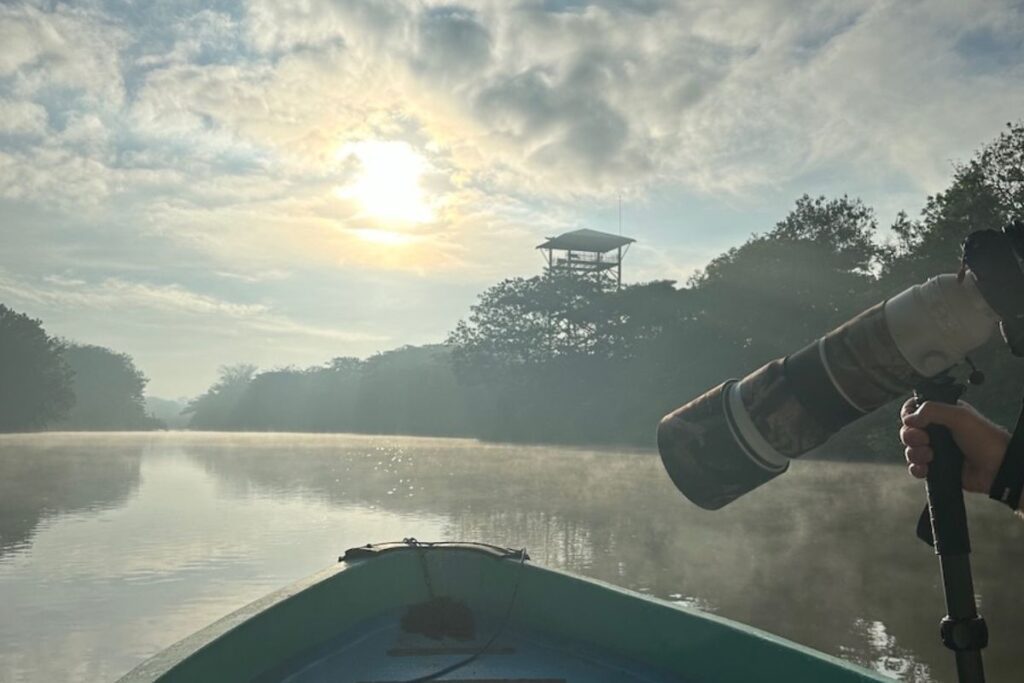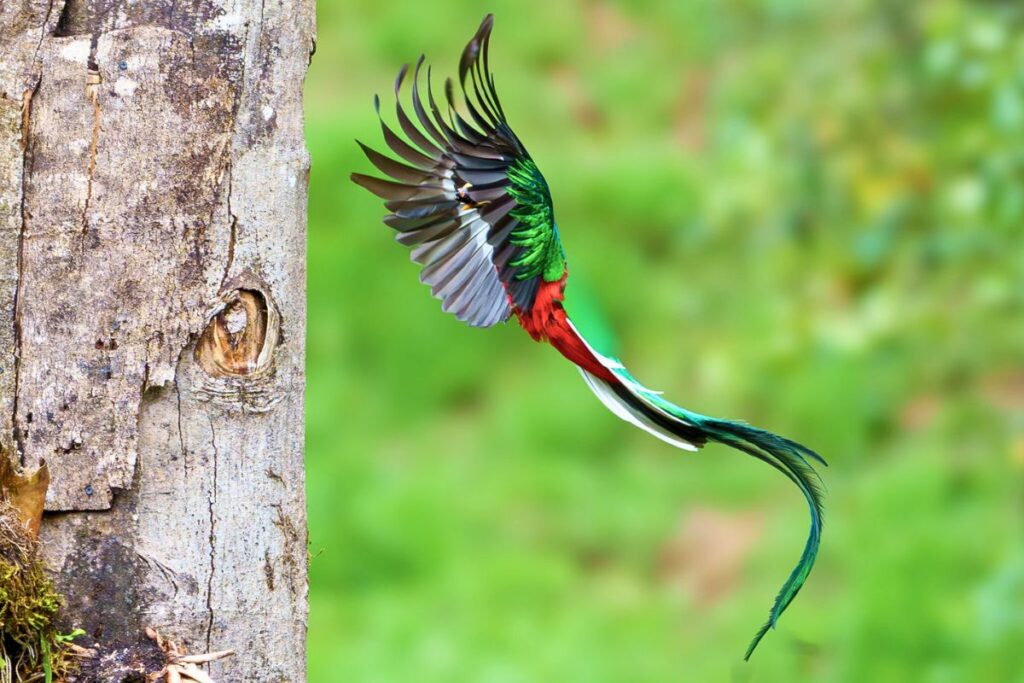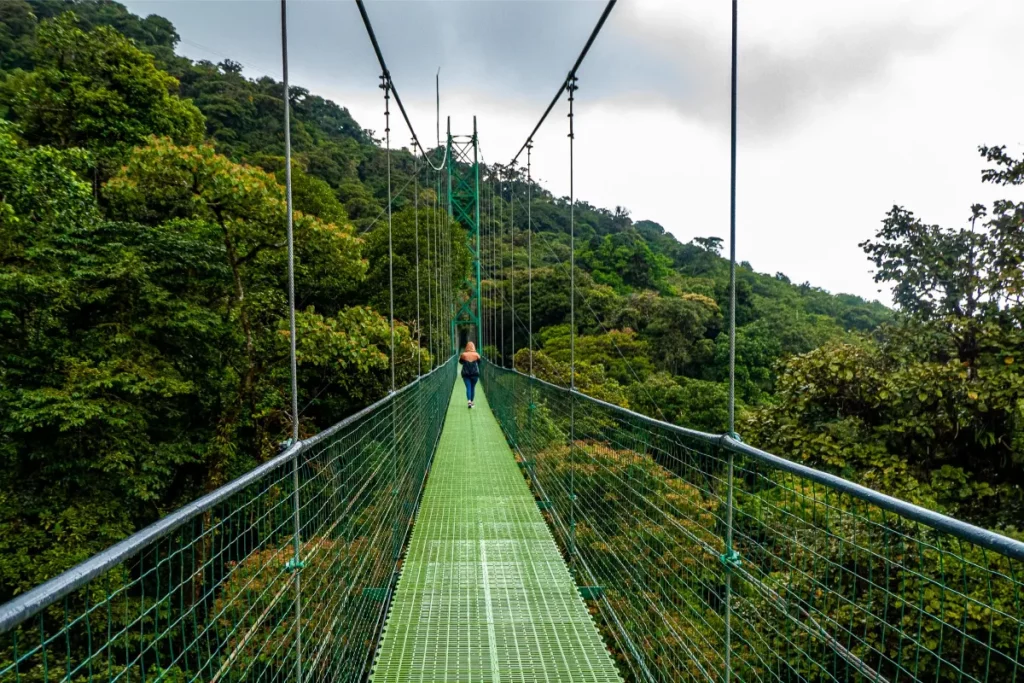

A Costa Rica photo safari is a wildlife journey designed around photography—not a conventional nature vacation with a camera added afterward. The route, timing, transportation, lodges and field sessions should all support the subjects you want to photograph.
Costa Rica allows photographers to work in cloud forests, Caribbean lowland rainforests, wetlands, volcanic foothills and Pacific habitats during the same trip. However, trying to visit too many regions can create more driving than photography.
The most productive private photo safaris usually begin with four decisions: your priority subjects, travel season, trip length and preferred level of guidance. Once those are clear, the itinerary can combine complementary ecosystems without sacrificing the best hours of light.
Planning a private trip? Share your preferred dates, target species, trip duration, photography experience and the needs of any non-photographer companions. Physis Photo Tours can compose a private Costa Rica photography itinerary around those priorities.
What Is a Costa Rica Photo Safari?
A Costa Rica photo safari is a journey organized around photographing wildlife in its natural environment. Depending on the photographer’s interests, it may concentrate on birds, mammals, reptiles, amphibians, insects or a combination of subjects.
The word “safari” is usually associated with open African landscapes, but the planning principle also applies to Costa Rica. Instead of crossing a savanna, photographers move among tropical rainforests, cloud forests, wetlands, rivers and coastal ecosystems.
A properly designed photo safari considers:
- The subjects the photographer most wants to pursue
- Seasonal wildlife activity
- The direction and quality of light
- The best time of day for each location
- Realistic transfer times between regions
- Space for cameras, long lenses and tripods
- Trail length, terrain and accessibility
- Local guide availability
- Opportunities to repeat productive sessions
- Flexibility when weather or wildlife behavior changes
The result is not simply a list of wildlife destinations. Photography influences the complete journey.
How Is a Photo Safari Different from a Regular Wildlife Tour?
A conventional wildlife tour usually aims to observe several animals and attractions within a fixed schedule. Once the group has seen a subject, the tour often continues to the next stop.
A photography-focused safari requires a different pace. A photographer may need to wait for an animal to enter better light, turn toward the camera, interact with another subject or move in front of a cleaner background. An encounter that initially appears unproductive can change within minutes.
| Regular wildlife tour | Private photo safari |
|---|---|
| Organized primarily around observation | Organized around photographic opportunity |
| Usually follows a fixed schedule | Allows adjustments for light and wildlife activity |
| Moves on after the subject is observed | May remain for behavior, composition or better conditions |
| Equipment space may be limited | Transportation accounts for cameras and long lenses |
| Designed for the pace of a general group | Designed around the participating photographers |
| Prioritizes the number of attractions | Prioritizes the quality and diversity of photographic sessions |
Private travel does not guarantee wildlife or ideal conditions. Its value is the ability to adapt the itinerary without having to follow the priorities of unrelated travelers.
1. Decide What You Most Want to Photograph
Costa Rica offers an enormous variety of subjects. Attempting to photograph everything during a short trip usually produces excessive travel and insufficient time in the field. Begin by identifying one or two primary goals.
Bird photography
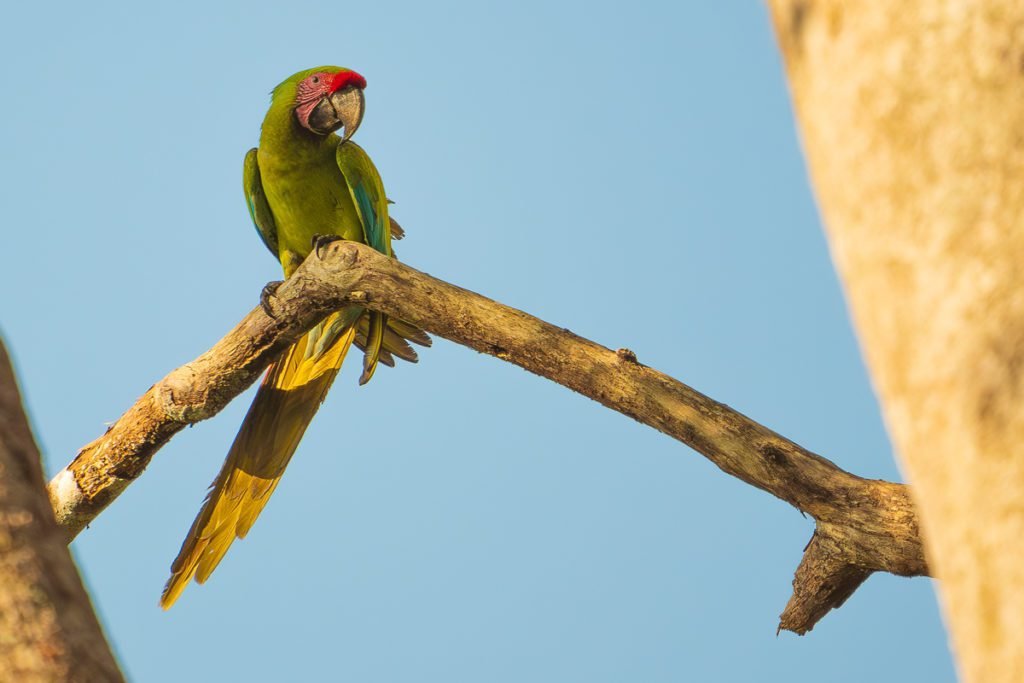
Potential subjects include Resplendent Quetzals, toucans, hummingbirds, macaws, motmots, tanagers, raptors, kingfishers and waterbirds.
Knowing that a bird occurs in a region is not enough. A useful photography location must also provide a workable distance, an appropriate shooting position and reasonable light. Bird photography may require repeated early mornings, knowledge of current feeding activity and local guides who understand both animal behavior and the needs of photographers.
Mammal photography
Monkeys, sloths, coatis, peccaries, bats and other mammals can be encountered in several parts of Costa Rica. Mammal sightings are often less predictable than established bird photography sessions. A mammal-focused itinerary therefore benefits from more field time and fewer rapid hotel changes.
Macro and nocturnal photography
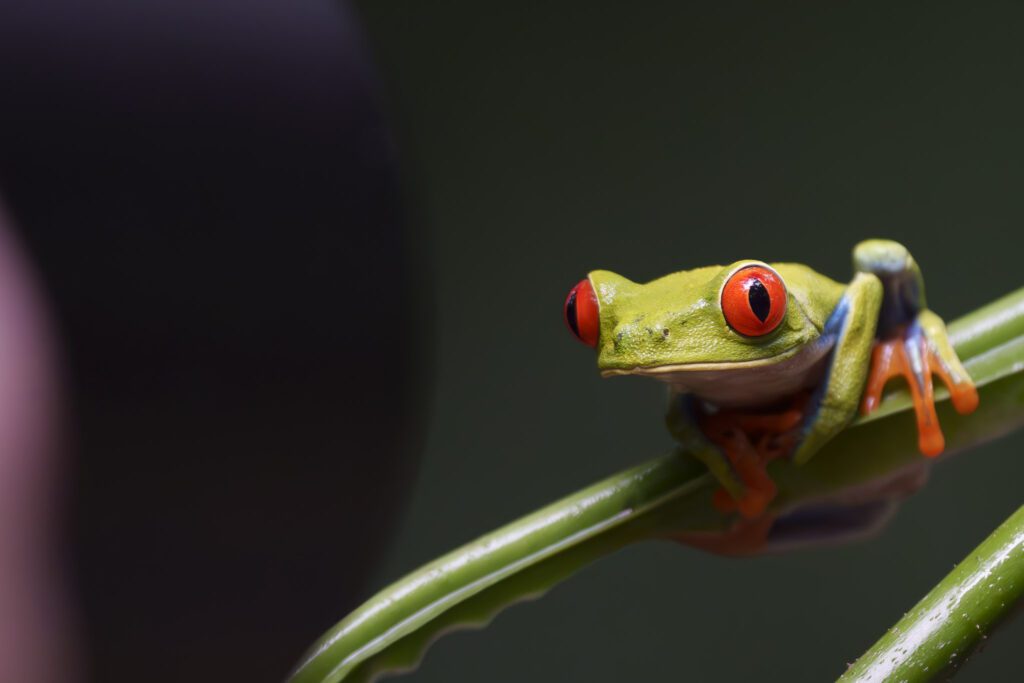
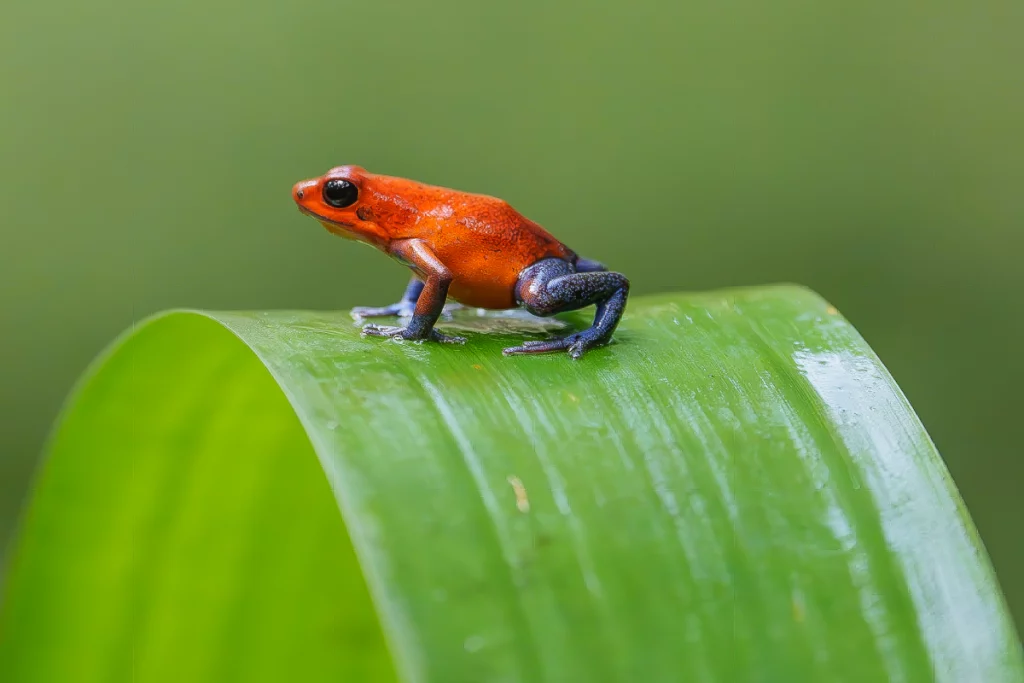
Frogs, snakes, lizards, insects and other small rainforest subjects can become a major component of a photo safari. These sessions may involve night walks, flash photography, humid conditions and working carefully at close distances.
Landscapes and environmental images
Volcanoes, wetlands, cloud forests, rivers and tropical coastlines provide context for a wildlife portfolio. A wider lens can show an animal within its environment and create a more complete visual narrative than a collection consisting only of tight portraits.
For an overview of available wildlife subjects and program formats, explore the Costa Rica wildlife photography tours designed by Physis.
2. Match the Season to Your Subjects
Wildlife photography is possible throughout the year in Costa Rica. The best time to travel depends on the subjects, regions and photographic conditions you prefer.
December through April
The dry season generally offers more predictable weather in many central and Pacific regions. It can be practical for travelers who prefer a lower probability of prolonged rain. However, popular destinations may be busier, vegetation can become drier in some areas and midday light is frequently intense.
May through November
The green season brings lush vegetation, active amphibians, dramatic clouds and fewer visitors in many locations. Overcast weather can produce soft light that is particularly useful for rainforest photography. Photographers must be prepared for moisture, muddy trails and changing road conditions.
Costa Rica does not have one uniform climate
Weather can differ significantly between the Caribbean and Pacific slopes. Elevation also changes temperature, rainfall, vegetation and the species likely to be encountered. Dates should therefore be selected according to target subjects and intended destinations—not only from a generic dry-season recommendation.
The guide to the best time for wildlife photography in Costa Rica explains these seasonal trade-offs in greater detail.
3. Choose Complementary Regions
The strongest itineraries normally combine ecosystems that provide different subjects without creating unreasonable travel times.
| Region | Principal opportunities | Particularly suitable for |
|---|---|---|
| San Gerardo de Dota | Quetzals, hummingbirds, highland birds and cloud-forest landscapes | Bird specialists and photographers who prefer cooler conditions |
| Boca Tapada | Toucans, parrots, macaws, raptors and lowland rainforest wildlife | Tropical birds and mixed wildlife |
| Sarapiquí | Birds, frogs, reptiles, insects and nocturnal subjects | Wildlife and macro photography |
| Arenal | Forest birds, hummingbirds, mammals and volcano landscapes | Mixed portfolios and accessible nature experiences |
| Caño Negro | Waterbirds, kingfishers, raptors, reptiles and boat photography | Wetland specialists |
| Osa Peninsula | Monkeys, macaws, rainforest wildlife and coastal habitats | Longer and more immersive expeditions |
San Gerardo de Dota
The high-elevation cloud forests around San Gerardo de Dota are associated with Resplendent Quetzals, hummingbirds and other mountain species. Cool conditions, changing cloud-forest light and sloped terrain should be considered when selecting lodging and sessions. A quetzal-focused stay normally benefits from more than one morning.
Boca Tapada
Boca Tapada provides a contrasting lowland environment. Its rainforest and wetland habitats can produce opportunities with toucans, parrots, woodpeckers, raptors, kingfishers and other wildlife.
The choice of lodge or base should depend on the sessions included in the itinerary. Driving time to private reserves, river access and relationships with local guides can matter as much as the room itself.
Sarapiquí and Arenal
These regions can combine birds, mammals, macro subjects and landscapes. Sarapiquí is particularly relevant for photographers interested in frogs, reptiles, insects and night photography. Arenal can add wider environmental compositions and a more varied experience for couples.
Wetlands and remote destinations
Caño Negro can add boat-based photography and open wetland habitats. The Osa Peninsula, Tortuguero and other remote areas may also be rewarding, but they require more time. A distant region should be added because it supports the trip’s primary objectives—not simply to increase the number of destinations visited.
4. Allow Enough Time
Five to seven days
A short safari should concentrate on one principal region or two nearby areas. It works best when the photographer has a defined objective.
Eight to ten days
This is often the most balanced duration for two complementary ecosystems. It permits several early-morning sessions and retains some flexibility if weather affects the plan.
Eleven to fourteen days
A longer journey can incorporate three or more habitats without making every second day a transfer day. It also creates room for macro sessions, landscapes, rest and repeat opportunities.
Fifteen days or more
An extended expedition is appropriate for photographers pursuing a broad portfolio, multiple target species or remote regions.
The detailed guide to choosing the length of a Costa Rica photography tour provides additional itinerary frameworks. More days cannot guarantee a particular encounter, but they reduce dependence on a single morning or one period of favorable weather.
5. Choose the Appropriate Travel Format
Personally led photography journey
Some photographers want to travel with another photographer who understands light, composition, field technique and the patience required for wildlife photography. Within Physis Photo Tours, the Founder’s Edition is the format in which Andy Bezara personally serves as tour leader and field partner. Because this depends on his calendar, availability should be confirmed early.
Wildlife expedition with naturalist guidance
Photographers who prioritize biodiversity and animal behavior may prefer a private journey supported by a naturalist guide selected according to the itinerary and photographic objectives.
Private transportation and a relaxed pace
A private driver can support photographers who want carefully planned opportunities without turning every day into an intensive expedition. This format can be appropriate for couples when one participant is not a photographer or when comfort and a moderate rhythm are important.
Self-drive itinerary
Experienced independent travelers may prefer to drive themselves while receiving help with routing, lodging, reservations and local guides. Self-driving provides freedom, but the itinerary must account for road conditions, navigation, equipment security and the difficulty of simultaneously driving and watching for photography opportunities.
A Sample 10-Day Costa Rica Photo Safari
Days 1–3: San Gerardo de Dota
Begin in the cloud forest with Resplendent Quetzals, hummingbirds and highland species. Use early mornings for quetzal activity and other sessions for forest birds or environmental images.
Days 4–5: Sarapiquí
Continue into the Caribbean lowlands for rainforest birds, frogs, reptiles, insects and an optional night photography session.
Days 6–9: Boca Tapada
Concentrate on toucans, parrots, woodpeckers, raptors, kingfishers and other lowland subjects. Several nights create opportunities to repeat sessions under different conditions.
Day 10: Return or departure
Travel toward the international airport with an appropriate buffer for road conditions and flight schedules. This is a planning framework, not a fixed departure. The order and duration should change according to the season, targets, lodge availability, physical preferences and travel style.
Build Each Day Around Photography
A wildlife photography itinerary should not be filled with attractions from morning until night. A productive day may begin before sunrise, continue through the strongest morning activity, pause during harsh midday light and return to the field in the afternoon. Night walks should be added selectively rather than scheduled every evening.
- Consider sunrise, sunset and light direction.
- Allow realistic travel time from the lodge.
- Check trail length, terrain and accessibility.
- Plan shelter for rain and moisture.
- Protect time to download and back up images.
- Include rest between early mornings and night sessions.
Prepare for Transportation and Equipment Needs
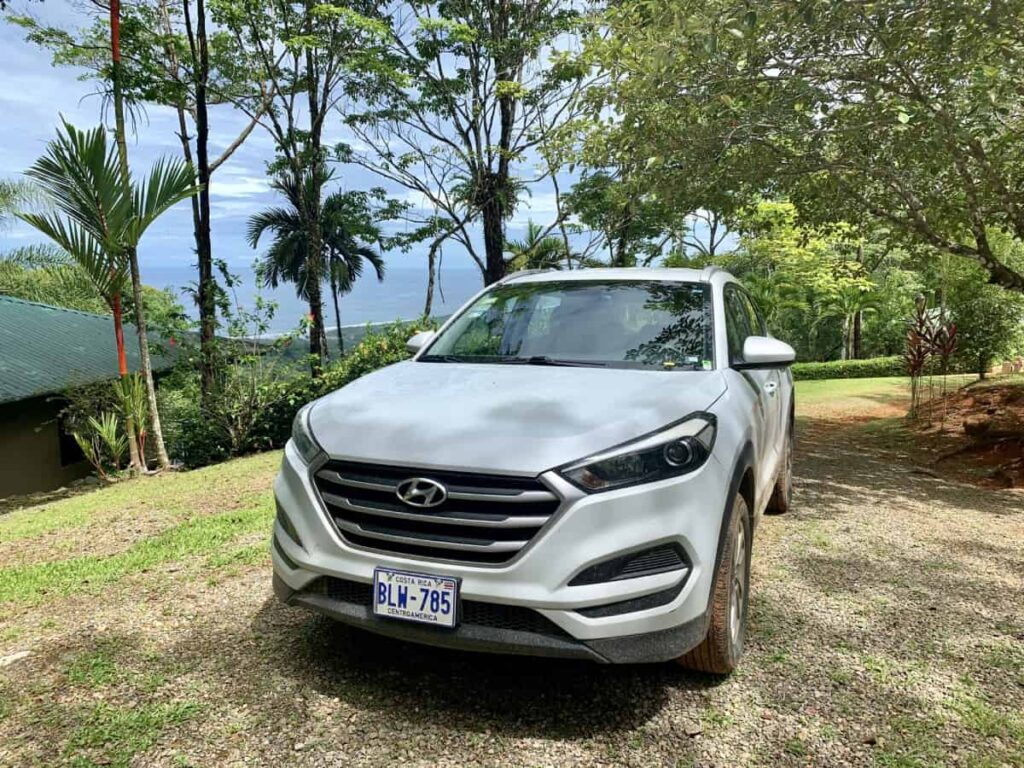
A vehicle that is adequate for regular tourists may become uncomfortable when several photographers carry long lenses, tripods, camera bags, waterproof covers and computers.
- A camera body with reliable autofocus
- A telephoto lens covering approximately 400–600mm
- A shorter telephoto zoom
- A macro lens
- A wide-angle lens
- A compact tripod or monopod
- Several batteries and memory cards
- Weather protection for cameras and lenses
- Lens-cleaning materials
- A laptop or dedicated backup device
- Two separate copies of important files
High humidity deserves special attention. Avoid abrupt temperature changes that can cause condensation when equipment moves from an air-conditioned room into humid outdoor conditions.
Practice Ethical Wildlife Photography
The welfare of the subject should take priority over obtaining a photograph. Responsible photography includes maintaining appropriate distances, avoiding disturbance around nests, respecting protected areas and following the instructions of local guides and property owners.
Playback, baiting, feeding or manipulating wildlife can create ethical and ecological concerns. Practices vary by location and species, so photographers should understand how an opportunity is managed before participating.
No responsible operator can guarantee a wildlife sighting. Good planning provides time in suitable habitats, informed local guidance and repeated opportunities under natural conditions.
Plan for Every Traveler
Private photo safaris can be designed for beginners, experienced enthusiasts, professionals, couples, families or small private groups. The itinerary should consider photography experience, target species, equipment, mobility, tolerance for early mornings, interest in night photography, preferred lodging comfort and the needs of non-photographer companions.
A traveler who prefers short, accessible sessions needs a different itinerary from a photographer willing to hike with heavy equipment in humid conditions. The trip should be built for the actual participants.
Plan Your Costa Rica Photo Safari with Physis Photo Tours
The best Costa Rica photo safari is not necessarily the one that visits the greatest number of places. It is the one that matches your subjects, dates, pace, comfort and photographic ambitions.
Physis Photo Tours is a Costa Rica-based company specializing in private, custom-made photography journeys. The planning process considers photographic goals, regional logistics, lodge access, transportation and the needs of every participant.
The company was founded by Andy Bezara, a professional photographer and Costa Rica photography tour specialist. Andy reviews the objectives behind each program, whether he personally leads the trip or coordinates its design and operation through another Physis travel style.
To begin planning a 2027 or 2028 private journey, share your preferred dates, target subjects, desired duration, photography experience, number of travelers, preferred pace, comfort requirements and the interests of accompanying non-photographers.
Frequently Asked Questions
What is the best time for a Costa Rica photo safari?
Wildlife photography is possible throughout the year. December through April generally brings drier conditions in many central and Pacific regions. May through November offers greener vegetation, active amphibians and frequently softer rainforest light. The best dates depend on your priority species and chosen regions.
How many days do I need for a Costa Rica wildlife photography trip?
Eight to ten days is a useful starting point for two complementary ecosystems. Five to seven days can work for a focused trip, while eleven to fourteen days provides more habitat diversity, repeat sessions and flexibility for weather.
Is a private photo safari suitable for a beginner photographer?
Yes. A private itinerary can be adapted to beginners, experienced enthusiasts or professional photographers. The daily pace, subjects, locations and level of photographic support should reflect the participants’ experience.
Can a non-photographer join a Physis Photo Tours safari?
Yes. A private program can combine productive photography with comfortable lodging, nature observation, relaxation and activities appropriate for a partner or family member who does not carry a camera.
Will Andy Bezara personally lead my photo safari?
Andy Bezara personally leads journeys booked in the Founder’s Edition, subject to his availability. Other Physis Photo Tours programs may operate with a selected naturalist guide, private driver or self-drive structure while Physis designs and coordinates the itinerary.
What wildlife could I photograph in Costa Rica?
Depending on the regions, season and natural conditions, possible subjects include quetzals, hummingbirds, toucans, macaws, kingfishers, monkeys, sloths, frogs, reptiles, bats and insects. Specific wildlife sightings cannot be guaranteed.