
Last updated: November 2026
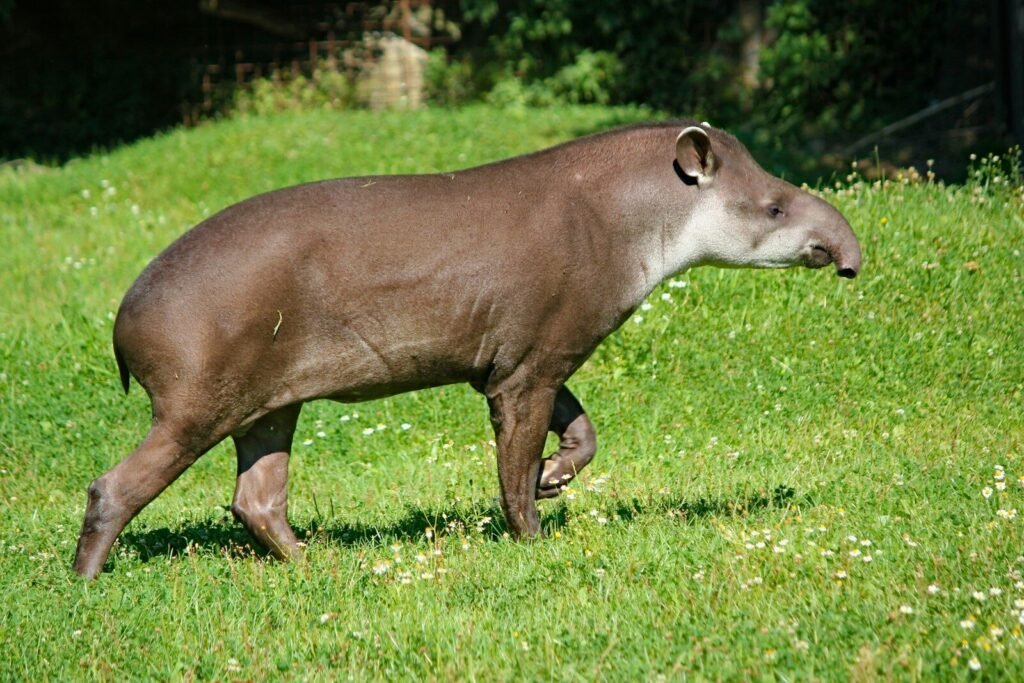
Short answer: the Tapir Signature Session is a late-afternoon and night session dedicated to Baird’s tapir in the Bijagua, Tenorio and Miravalles area of northern Costa Rica, where there is a large tapir population spread across different properties. You walk inside private properties to the places the tapirs prefer, and photograph without flash. Physis includes it all year in private programs. A wild tapir is never guaranteed.
Session at a glance
| Details | |
|---|---|
| Subject | Baird’s tapir (Tapirus bairdii) |
| Technique | Low-light mammal photography; no flash |
| Region | Bijagua, Tenorio and Miravalles |
| Time of day | End of the afternoon and, above all, at night |
| Season | All year |
| Included in | Private Physis programs; not sold separately |
Why is the tapir a special subject?
Baird’s tapir is the largest native land mammal in Central America, and it is classified as Endangered on the IUCN Red List. It is shy and most active when the light is low, which makes a good photograph a real achievement. A session with a tapir is as much about patience and quiet as it is about camera technique.
Where does the session take place?
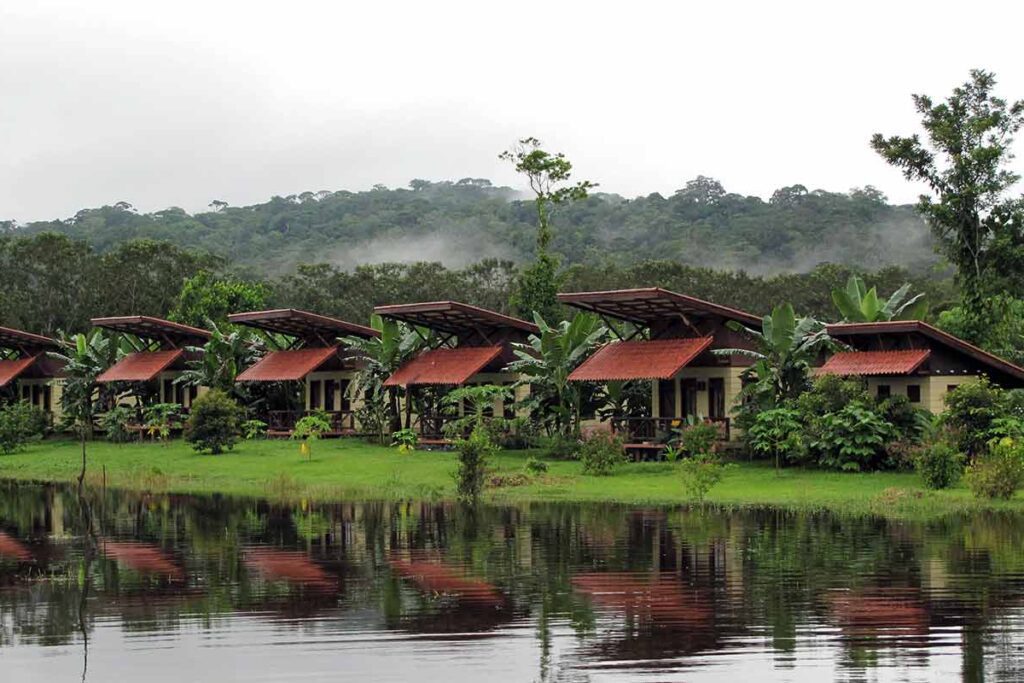
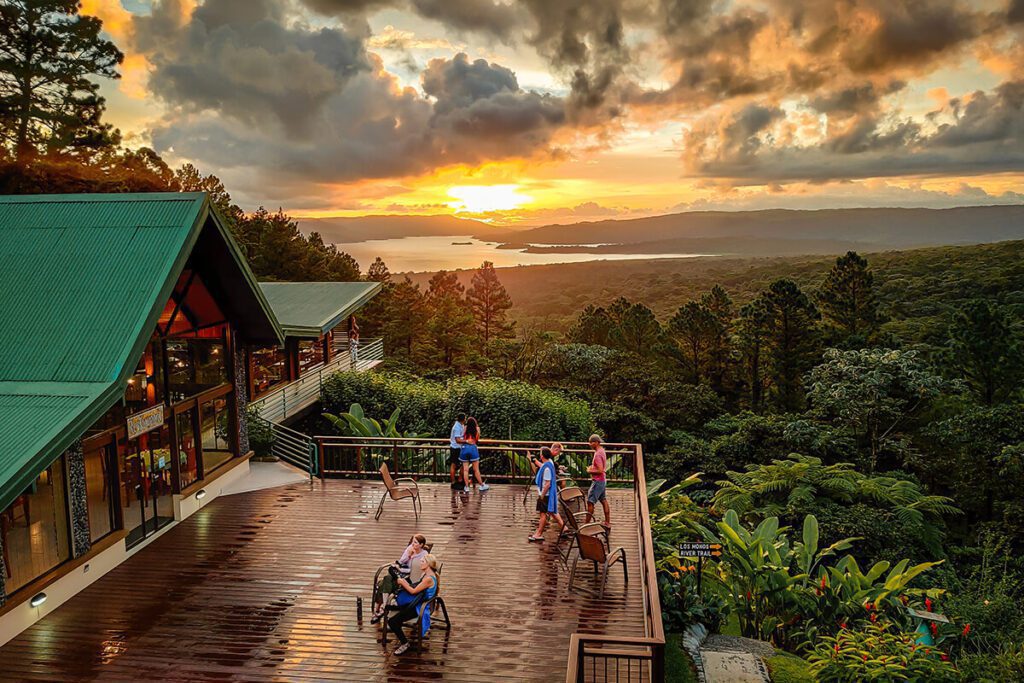
The session takes place in the area of Bijagua, Tenorio and Miravalles, in the north of the country. This area holds a large tapir population on different properties, and Physis works inside private properties there. Tapirs have also been seen on the grounds of the lodge itself, walking very close to the common areas and the rooms.
How does a session work?
The session starts at the end of the afternoon and continues into the night, which is when tapirs are more active. You walk inside private properties to places the animals are known to prefer, especially where there is water and certain plants they feed on. Once there, the work is to wait quietly and let the animal come into view at its own pace.
Flash is not used. The session works with the available natural light and, when that is not enough, perhaps a continuous light used with care so the tapir is not disturbed.
Add the Tapir session to your program
Physis designs private photography programs in Costa Rica around the sessions you choose. Tell us which Signature Sessions you want in your private program. Private programs start from US$4,000.
What equipment and settings do I need without flash?
| Field need | Practical starting point |
|---|---|
| Lens | The fastest lens you own; a 70–200 mm f/2.8 or similar is very useful for a large animal at moderate distance |
| ISO | Be ready to use high ISO; a sharp image with noise is better than a blurred one |
| Shutter speed | A tapir often moves slowly, so slower speeds are possible with good stabilization |
| Focus | Practise focusing in very low light before the trip; know how to switch to manual focus |
| On you | Closed shoes with good grip, dark clothing and a headlamp with a low or red setting |
Frequently asked questions
Is a tapir sighting guaranteed?
No. The area has a large tapir population and the session goes to the places they prefer, which improves the opportunity, but this is a wild animal and no honest operator can promise a sighting.
Why is flash not used?
To avoid disturbing the tapir. The session relies on natural light and, if needed, a continuous light used with care.
Can I book this session on its own?
No. Signature Sessions are included in private Physis programs and are not sold separately.
Related pages
- Private wildlife photography tours in Costa Rica
- Rainforest Night Walk Signature Session
- Costa Rica photography destinations
See all Signature Sessions
Combine the tapir with night walks, macro, boat sessions, quetzals and more in one private program.