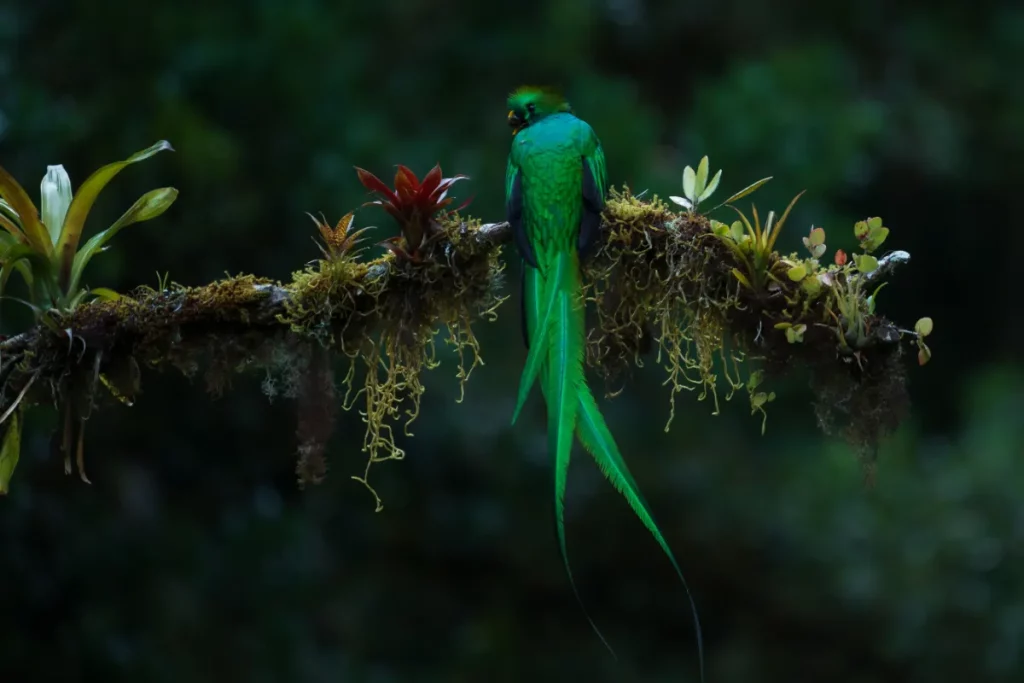
Introduction to Costa Rica’s Avian Wonderland
Costa Rica is recognized globally for its remarkable biodiversity, making it a premier destination for bird enthusiasts and photographers alike. With over 900 bird species, the country offers a vibrant canvas for capturing stunning images of avian life in its natural habitats. This article delves into the captivating world of bird photography tours in Costa Rica, particularly through the renowned Physis Photo Tours, which provide unique experiences for photographers seeking to connect with nature while honing their craft.
From the lush rainforests to the serene coastlines, Costa Rica presents diverse ecosystems that are home to both endemic and migratory bird species. This overview will guide photographers on what to expect, how to prepare, and the unique locations to explore during their avian adventures. Join us as we embark on a journey to discover the best practices for capturing breathtaking bird images and the stories behind these magnificent creatures.
The Rich Biodiversity of Costa Rica
Costa Rica is often cited as one of the world’s most biodiverse countries, a title supported by its rich ecosystems that consist of rainforests, wetlands, mountains, and coastal areas. This wealth of biological diversity creates the perfect environment for a wide variety of bird species, including the majestic Resplendent Quetzal, vibrant Scarlet Macaw, and numerous hummingbird species. Each region of the country offers distinct habitats, which play a vital role in supporting this avian richness.
Beyond birds, the country’s commitment to conservation and eco-tourism has led to the establishment of numerous national parks and wildlife reserves. These protected areas not only safeguard Costa Rica’s avifauna but also provide photographers with ample opportunities to witness and capture the beauty of birds in their natural settings. Understanding the importance of these ecosystems enhances the overall experience of bird photography in Costa Rica.
Why Bird Photography in Costa Rica?
Bird photography in Costa Rica is not just about capturing images; it’s about immersing oneself in a vibrant natural environment. The diversity of species, combined with the stunning landscapes, creates the ideal backdrop for both novice and experienced photographers. Moreover, Costa Rica’s stable climate allows for year-round birdwatching opportunities, making it a convenient destination for those looking to enhance their portfolio.
Additionally, the country’s commitment to sustainable tourism means that photographers can engage in ethical practices while exploring nature. By participating in guided tours like those offered by Physis Photo Tours, photographers can ensure they contribute to the protection of wildlife and habitats, thereby fostering a deeper connection to the environment they are photographing.
Overview of Physis Photo Tours
Physis Photo Tours specializes in immersive photography experiences that focus on capturing the essence of Costa Rica’s wildlife. With expert guides who are not only knowledgeable about bird species but also skilled photographers, participants are ensured an enriching journey through the breathtaking landscapes of this Central American paradise. Tours are designed to cater to varying skill levels, providing tailored experiences for each participant.
The company emphasizes ethical wildlife photography, promoting respect for nature while encouraging photographers to capture stunning images. Their itineraries often include visits to less frequented locations, allowing for exclusive photographic opportunities while minimizing the impact on the environment. With Physis Photo Tours, photographers can explore the beauty of Costa Rica while developing their skills in a supportive and inspiring atmosphere.
Preparing for Your Adventure
What to Expect on a Costa Rica Bird Photography Tour
Participants can expect a well-structured itinerary that maximizes photographic opportunities while ensuring an enjoyable experience. Days typically start early to catch the morning light when birds are most active and more likely to be spotted. The tours balance photography sessions with educational segments, where guides share insights about bird behavior, habitat, and techniques for capturing the best shots.
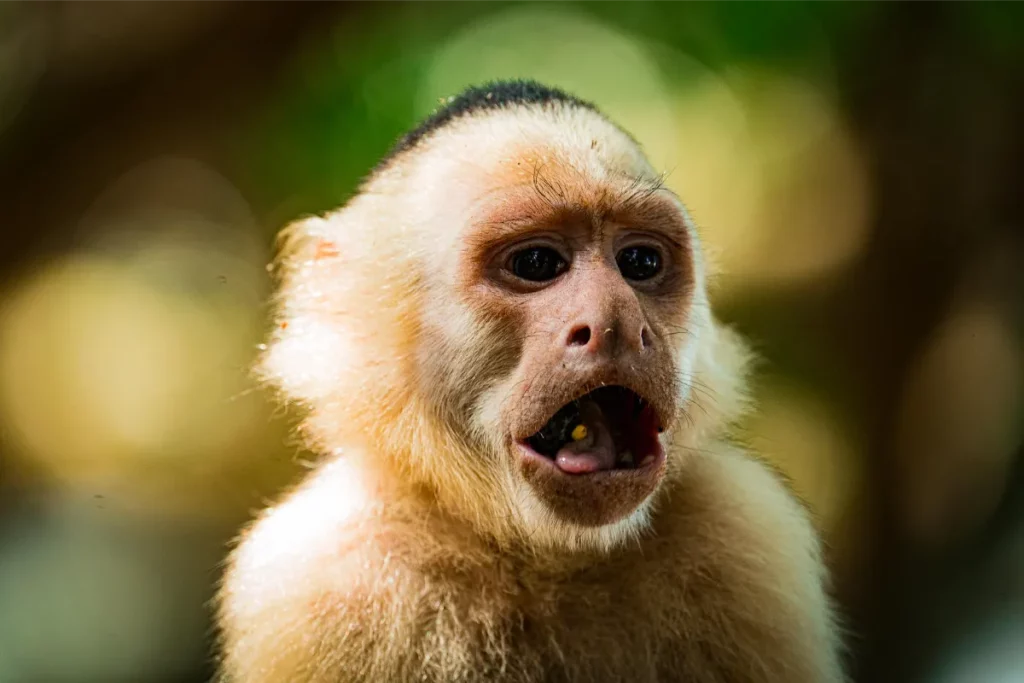
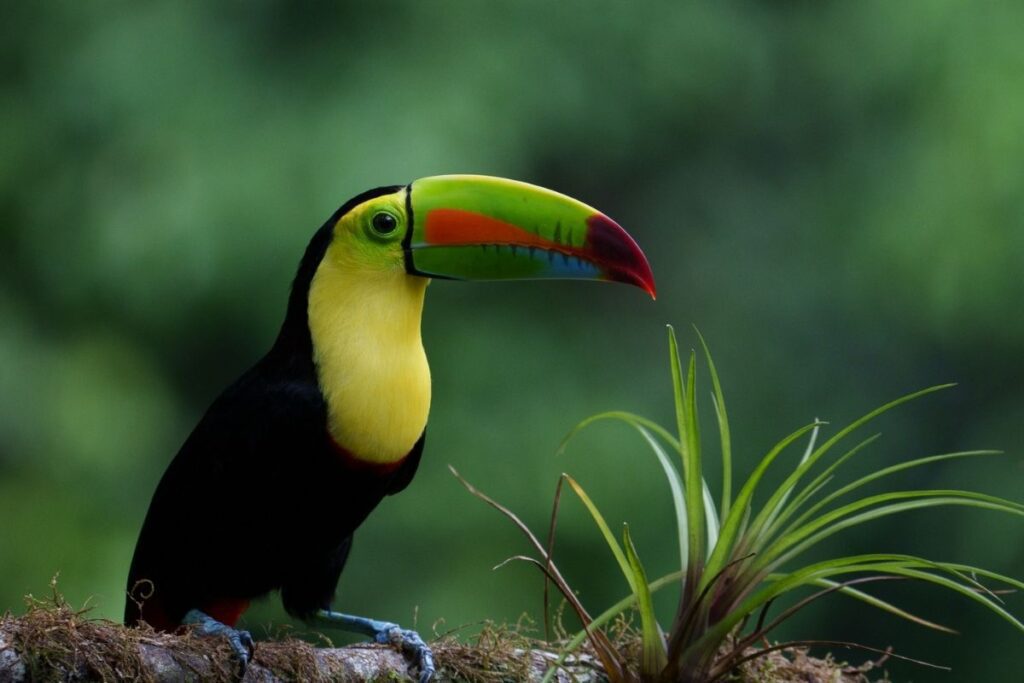
Expect to visit a variety of ecosystems, from highland cloud forests to tropical lowlands, each offering unique birdwatching opportunities. The social aspect of these tours is also noteworthy; photographers often bond over shared experiences, exchanging tips and stories as they grow together on this adventure. Whether it’s watching a troop of monkeys or waiting patiently for a toucan to land, every moment brings the potential for extraordinary photographs.
Essential Gear for Bird Photography
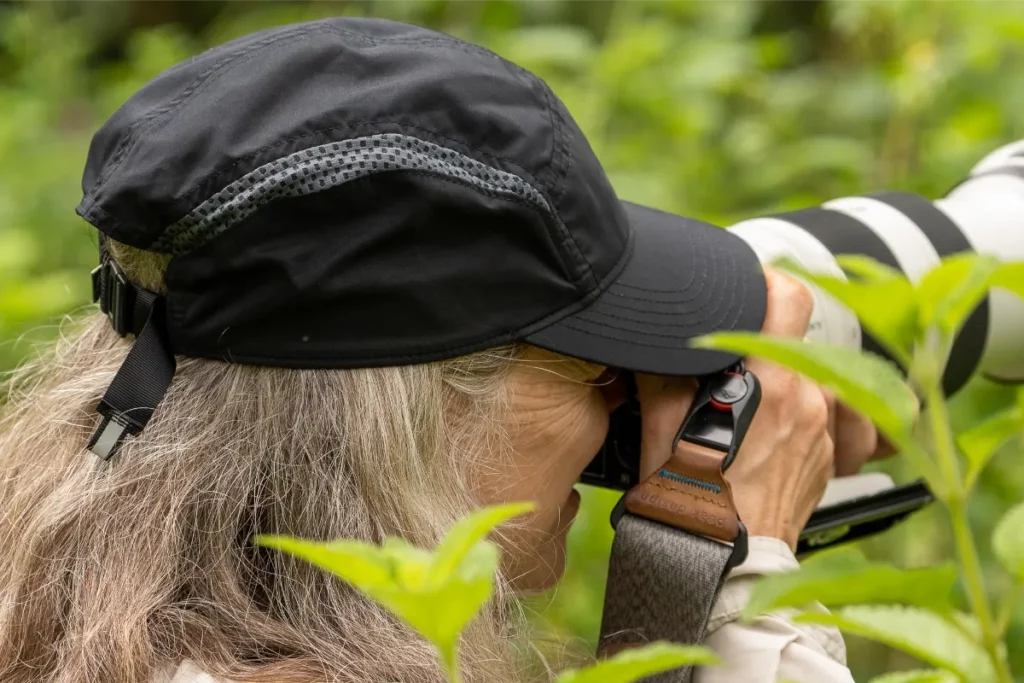
To best prepare for a bird photography tour, participants should ensure they have the right equipment. Essential items include a DSLR or mirrorless camera body, a telephoto lens (at least 300mm), and a sturdy tripod or monopod for stability. A good pair of binoculars can also enhance the experience, allowing photographers to scout birds before attempting to capture them on camera.
Additional accessories such as extra batteries, memory cards, and weather protection for gear are crucial for uninterrupted shooting. Many photographers also find it helpful to bring a laptop or tablet for reviewing images and sharing experiences with fellow participants. Ultimately, being well-equipped can make a significant difference in capturing those perfect moments in the wild.
Best Times to Visit for Optimal Bird Watching
The best time to visit Costa Rica for bird photography largely depends on the specific species one hopes to capture. Generally, the dry season, which runs from December to April, is ideal for spotting birds as many species are nesting and breeding during this time. Migratory birds, such as warblers, can also be spotted during the transitional months of September and October.
Each region has its prime time for birdwatching. For example, the Caribbean lowlands are particularly rich in avian life from March to June, while the cloud forests are best experienced during the dry season. Understanding these seasonal patterns can significantly enhance the wildlife photography experience and increase the likelihood of capturing stunning images.
Exploring Iconic Locations
La Selva Biological Station
La Selva Biological Station is a premier destination for bird photography, known for its extensive trail system and rich biodiversity. The station is home to over 400 bird species, including the elusive Great Green Macaw and the striking Chestnut-Mandibled Toucan. Photographers can explore the lush rainforests, which provide a dynamic backdrop for capturing images of birds as well as other wildlife.
The accessibility of well-maintained trails allows for easy navigation and optimal birdwatching experiences. Guided tours through La Selva offer invaluable insights into the behavior and habitats of the resident bird species, making it a perfect place for both learning and shooting. The combination of high biodiversity and knowledgeable guides makes La Selva a must-visit location for any serious bird photographer.
Tortuguero National Park
Tortuguero National Park, often referred to as the Amazon of Costa Rica, is another hotspot for bird photography. The park is renowned for its network of canals and dense jungles, which attract various bird species, including the rare Jabiru Stork and various herons. The unique geography of Tortuguero offers photographers opportunities for water-based photography, giving them different perspectives on wildlife.
In addition to birds, Tortuguero is also famous for its nesting turtles, which adds another layer of interest to the photographic experience. Early morning boat rides are particularly beneficial for spotting and photographing birds as they become active at sunrise. The stunning landscapes and vibrant birdlife create an unforgettable photography experience in this unique ecosystem.
Monteverde Cloud Forest Reserve
Monteverde Cloud Forest Reserve is famous for its misty landscapes and rich biodiversity. This unique environment is home to a multitude of bird species, including the elusive Resplendent Quetzal, which attracts photographers from around the world. The cool, moist air and dense vegetation provide a beautiful setting for capturing images of birds amidst the ethereal cloud cover.
Exploring the reserve often involves navigating through hanging bridges and trails that cut through the thick foliage, allowing photographers to get up close to their subjects. The diverse environments within the reserve—from moss-covered trees to vibrant flower patches—offer many opportunities for creative compositions, ensuring that each photographer leaves with unique and captivating images.
Corcovado National Park
Corcovado National Park is often described as one of the most biodiverse places on Earth, making it an ideal location for bird photography. Home to more than 400 bird species, including the striking Scarlet Macaw and the elusive Harpy Eagle, Corcovado offers photographers a chance to capture both common and rare avian life. The park’s rugged terrain and pristine beaches create a dramatic backdrop for stunning wildlife photography.
Due to its remote location, Corcovado is less crowded than other parks, providing photographers with a more intimate experience with nature. Guided hikes through the park reveal hidden gems of wildlife and breathtaking scenery, allowing photographers to immerse themselves in the environment while honing their skills. The combination of rich biodiversity and striking landscapes makes Corcovado a top destination for any bird photography enthusiast.
Techniques for Capturing Stunning Avian Images
Understanding Bird Behavior
Capturing stunning images of birds requires more than just technical skills; understanding bird behavior is crucial. Observing how birds interact with their environment can inform the best timing for capturing their actions. For instance, knowing when birds are likely to feed, mate, or call can enable photographers to position themselves for optimal shots.
Patience is key in bird photography. Birds can be unpredictable, and waiting for the perfect moment to click the shutter often pays off. Additionally, learning about the species’ specific habits, such as nesting patterns and feeding times, can enhance the overall photography experience. By becoming familiar with the behavior of the birds they wish to photograph, photographers can significantly increase their chances of capturing those breathtaking moments.
Lighting and Composition Tips
Lighting plays a crucial role in photography, and capturing birds in natural light can create stunning images. Early morning and late afternoon are often considered golden hours for photography, as the soft, diffused light enhances colors and reduces harsh shadows. Photographers should also be mindful of the background; a clutter-free background can help the subject stand out, while backlighting can create a halo effect around the bird.
In terms of composition, utilizing the rule of thirds can help create dynamic images. Positioning the bird off-center can lead to a more compelling composition. Photographers can also experiment with different angles and perspectives to find the most impactful way to capture their subject. By combining good lighting with thoughtful composition, photographers can significantly elevate their bird images.
Using Different Lenses for Bird Photography
The choice of lens can make a significant difference in bird photography. Telephoto lenses are often recommended for capturing distant birds without disturbing them. A lens with a focal length of at least 300mm is typically ideal, allowing photographers to zoom in on their subjects and capture intricate details.
Additionally, prime lenses often provide better sharpness and lower light sensitivity compared to zoom lenses, making them a favorite among wildlife photographers. However, versatility is essential; a zoom lens can be beneficial in rapidly changing environments where birds may move quickly. By understanding the strengths and weaknesses of different lenses, photographers can make informed decisions about their gear for the best possible results.
Experiencing Local Culture and Nature
Connecting with Local Guides
One of the benefits of joining bird photography tours, such as those offered by Physis Photo Tours, is the opportunity to connect with local guides. These knowledgeable experts provide valuable insights into the best spots for birdwatching and understanding local ecosystems. Their enthusiasm for Costa Rica’s unique avifauna often enhances the experience for photographers.
Local guides bring a wealth of experience and can help participants improve their photography skills while ensuring they respect wildlife and the environment. By fostering a relationship with guides, photographers can learn not only about birdwatching techniques but also about the significance of conservation efforts in the region, making for a richer, more educational experience.
Exploring the Flora and Fauna Beyond Birds
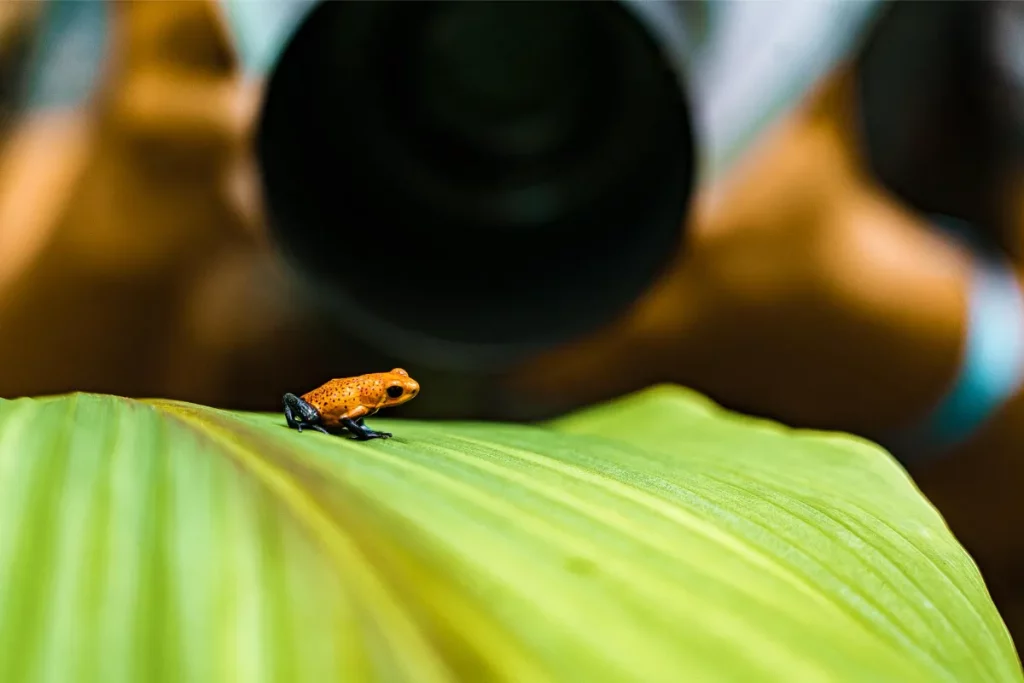
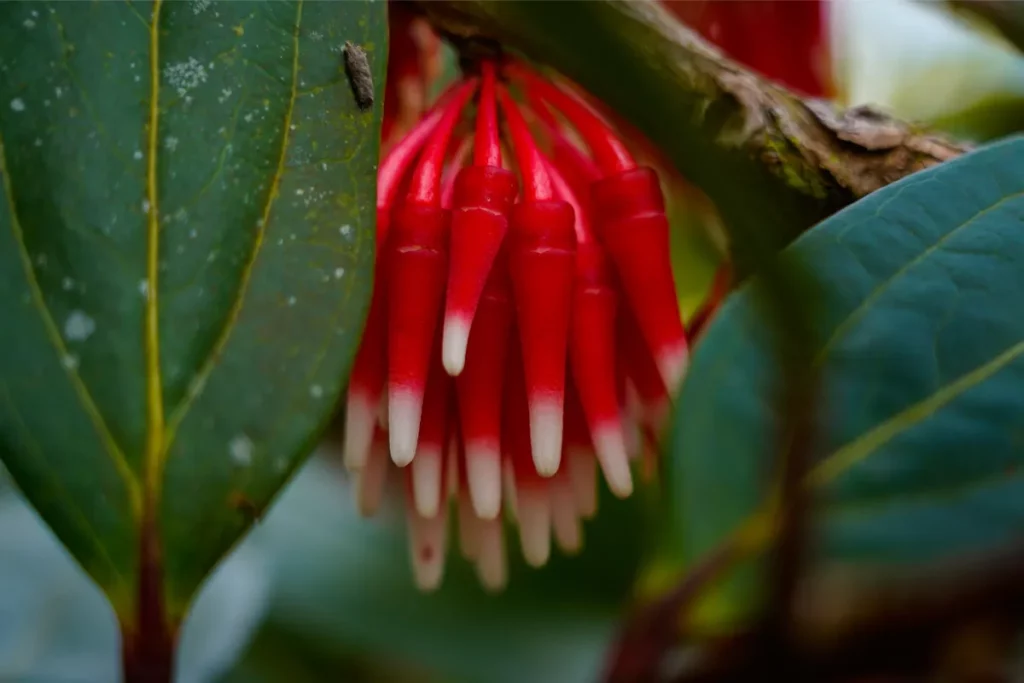
While the focus of these tours may be on birds, the opportunity to explore the broader flora and fauna of Costa Rica is equally rewarding. The country is home to an incredible variety of plant species, insects, and other wildlife that photographers can also capture. Exploring the interconnections within ecosystems enriches the overall experience and enhances the understanding of the environment.
Many photographers find that incorporating other elements into their images, such as colorful flowers or interesting landscapes, creates more dynamic compositions. This approach not only provides a broader narrative of the ecosystem but also helps tell the story of the birds and their habitats. By acknowledging the interconnectedness of all living things, photographers can deepen their appreciation and craft during their Costa Rican adventure.
Community Involvement and Conservation Efforts
Engagement with local communities and conservation efforts is a significant aspect of responsible bird photography. Many tours, including those from Physis Photo Tours, emphasize the importance of sustainable practices that protect wildlife and their habitats. Understanding the local culture and the environmental challenges facing these ecosystems can empower photographers to advocate for conservation.
By supporting eco-friendly tourism initiatives and participating in community outreach programs, photographers can contribute to the preservation of Costa Rica’s rich biodiversity. This involvement not only enhances their experience but also fosters a sense of responsibility towards the environment and local communities. Photographers leave with more than just stunning images; they carry the knowledge of their impact on the ecosystems they explored.
Stories from the Field
Memorable Encounters with Exotic Birds
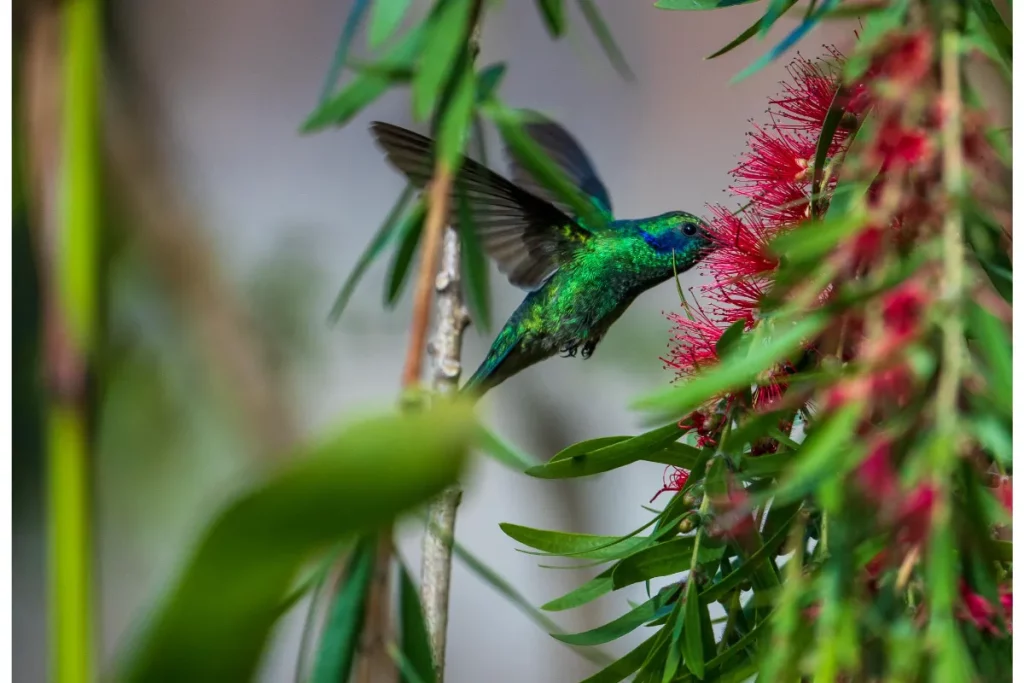
Every photographer has their own unique stories from the field, filled with memorable encounters with exotic birds. From the first sighting of a Scarlet Macaw soaring overhead to the rare glimpse of a perched Quetzal, these experiences are often life-changing. Participants in bird photography tours frequently recall moments when unexpected encounters, such as a hummingbird fluttering inches from their lens, left them in awe.
These stories are not only about the birds but also highlight the emotional connection between the photographer and nature. Capturing these moments on camera is often about more than just the photograph; it’s about the joy, thrill, and wonder that comes from experiencing wildlife up close. Sharing these experiences with fellow photographers creates a bond that enhances the overall journey.
Photographer Spotlights: Sharing Their Experiences
Many photographers who have participated in tours speak highly of their experiences, often sharing their favorite moments through blogs or social media. Spotlights on individual photographers highlight their unique perspectives and techniques, offering inspiration and insights for others in the field. Whether it’s learning about innovative photography styles or hearing about specific challenges faced during shoots, these stories contribute to a broader understanding of bird photography.
Photographer spotlights also serve to build a community among bird enthusiasts, encouraging collaboration and sharing of tips. These narratives remind us that every photographer’s journey is unique and that there is always more to learn from each other. By celebrating these experiences, the bird photography community thrives, fostering a supportive environment for everyone involved.
Challenges and Triumphs in the Field
Bird photography is not without its challenges. From unpredictable weather conditions to elusive subjects, photographers often face hurdles that test their skills and patience. However, each challenge presents an opportunity for growth and learning, ultimately enhancing their ability to adapt and improve their craft.
Triumphs in the field, whether it’s successfully capturing a fleeting moment or overcoming a challenging situation, provide a sense of fulfillment and achievement. These moments are often celebrated within the photography community, inspiring others to persevere through their own challenges. By sharing these experiences, photographers contribute to an encouraging culture that celebrates resilience and creativity in the pursuit of stunning avian imagery.
Conclusion: Embracing the Magic of Bird Photography in Costa Rica
Reflecting on Your Journey
As photographers reflect on their journey through Costa Rica, they often discover a deeper appreciation for the beauty of nature and the art of photography. The experience of capturing birds in their natural habitats can be transformative, inspiring a commitment to both the craft and conservation efforts. Each photograph taken is not just a representation of a moment in time but a narrative of the environment that can inspire action and awareness.
Future Opportunities with Physis Photo Tours
For those inspired by their experiences, Physis Photo Tours offers ongoing opportunities for exploration and learning. With a commitment to sustainable practices, these tours continue to provide avenues for photographers to connect with nature while honing their skills. Returning to Costa Rica for further adventures allows photographers to deepen their understanding of the avifauna and the ecosystems that support them.
Final Thoughts on Costa Rica Bird Photography Tours
Costa Rica stands as a beacon for bird photographers, offering a wealth of opportunities to capture stunning images and connect with nature. The combination of rich biodiversity, supportive communities, and ethical tourism practices fosters a fulfilling experience for all involved. As photographers venture into this avian paradise, they not only create beautiful images but also contribute to the preservation of the vivid ecosystems that make Costa Rica a sanctuary for birds. The journey does not end here; it is merely the beginning of a lifelong relationship with nature and photography.
FAQs
What is the best time of year to visit Costa Rica for bird photography?
The best time to visit Costa Rica for bird photography is during the dry season, which typically runs from December to April. This is when many species are nesting and breeding, providing excellent opportunities for sightings.
What gear do I need for bird photography?
Essential gear for bird photography includes a DSLR or mirrorless camera, a telephoto lens (at least 300mm), a sturdy tripod or monopod, and accessories like extra batteries and memory cards. A good pair of binoculars can also enhance your birdwatching experience.
Are there any ethical considerations for bird photography?
Yes, ethical considerations are crucial in bird photography. This includes respecting wildlife, maintaining a safe distance from nests, and adhering to the principles of sustainable tourism to minimize environmental impact.
How can I improve my bird photography skills?
Improving your bird photography skills involves understanding bird behavior, practicing composition and lighting techniques, and learning from experienced photographers. Participating in workshops and tours can also provide valuable insights and hands-on experience.
Can beginners join bird photography tours?
Absolutely! Many bird photography tours are designed to accommodate various skill levels, including beginners. Guides are often skilled at providing tailored advice to help improve your photography skills in a supportive environment.