Herping Photography Tours in Costa Rica: Tracking the Elusive
For the herpetology enthusiast, Costa Rica is not just a destination; it is a pilgrimage. Home to over 400 species of reptiles and amphibians, this land bridge between North and South America holds an incredible density of life. However, seeing these animals in a guidebook is one thing; finding them in the wild is another challenge entirely.
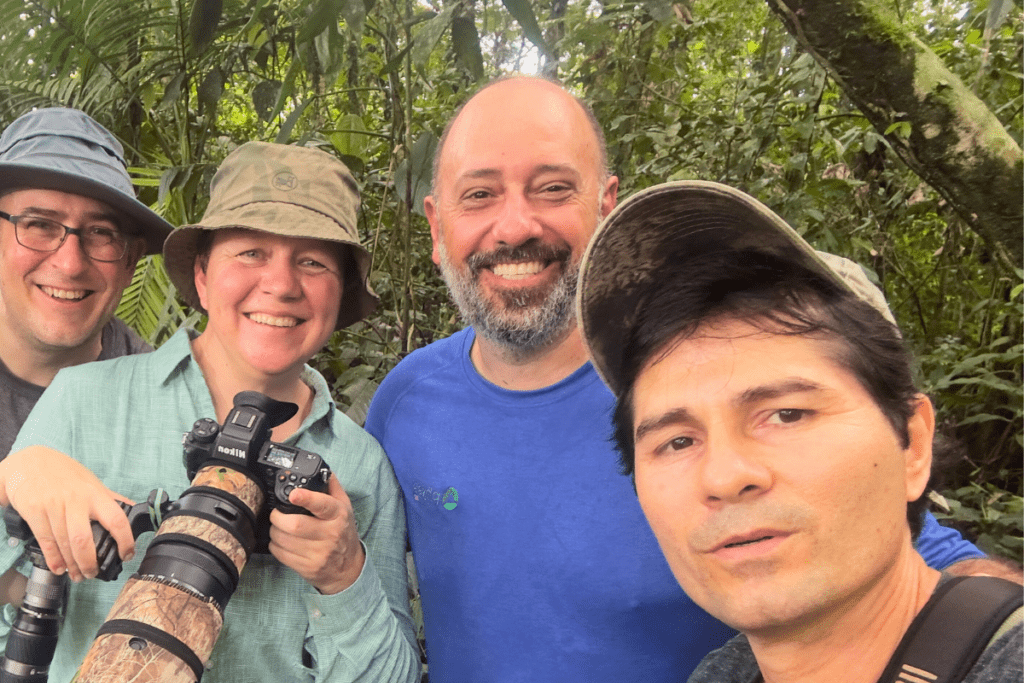
Physis Photo Tours presents specialized Herping photography tours in Costa Rica. These are not standard nature walks. These are active, focused expeditions led by Andy Bezara, designed to find, identify, and photograph the herpetofauna that makes this country legendary.
The Thrill of the Hunt with Andy Bezara
Herping is an art form that combines biological knowledge with endurance. It involves flipping leaf litter, scanning the canopy, and hiking wet trails at night. Andy Bezara brings years of field experience to Physis Photo Tours, ensuring high success rates for finding target species.
Our private photo tours are strictly custom-made itineraries. If you are a “lister” looking to maximize species count or a photographer looking to spend three hours with a single Bushmaster (Lachesis stenophrys), we adapt the pace to you.
Target Species: The Icons of Costa Rica
Our tours cover a variety of ecosystems, from the Caribbean lowlands to the Pacific rainforests, maximizing your chances of encountering a wide range of species.
The Vipers and Snakes
The serpentine inhabitants of Costa Rica are the highlight of our herping tours.
- Central American Bushmaster (Lachesis stenophrys): The “Matabuey.” Finding the largest viper in the Americas is the holy grail of herping. We know the habitats where this elusive giant roams.
- Eyelash Pit Viper (Bothriechis nigroaspersus): A crowd favorite. We scan the understory vegetation for the telltale shape of this arboreal viper, which comes in phases of yellow (Oropel), green, lichen, and rust.
- Speckled Racer Snake (Drymobius margaritiferus): A fast-moving, non-venomous beauty. Photographing them requires patience and quick shutter speeds.
- Boa (Boa imperator): The heavy-bodied classic of the tropics, often found near water or basking in clearings.
- Vine Snake (Oxybelis koehleri): These snakes are masters of camouflage and can mimic twigs perfectly. Spotting them is a testament to a sharp eye.
- Coral Snakes: We search for the Costa Rica Coral Snake (Micrurus mosquitensis), a venomous beauty, and its Batesian mimic, the False Tree Coral Snake (Rhinobothryum bovallii).
Rare and Endemic Amphibians
Herping isn’t just about snakes. The amphibian diversity here is staggering.
- Glass Frogs: We target the Ghost Glass Frog (Sachatamia ilex), Reticulated Glass Frog (Hyalinobatrachium valerioi), and Hyalinobatrachium vireovittatum. Seeing their beating hearts through translucent skin is a moment you never forget.
- Poison Frogs: From the Granular Poison Frog (Oophaga granulifera) in the south to the Green and Black Poison Frog (Dendrobates auratus) on the coasts, we locate these diurnal gems.
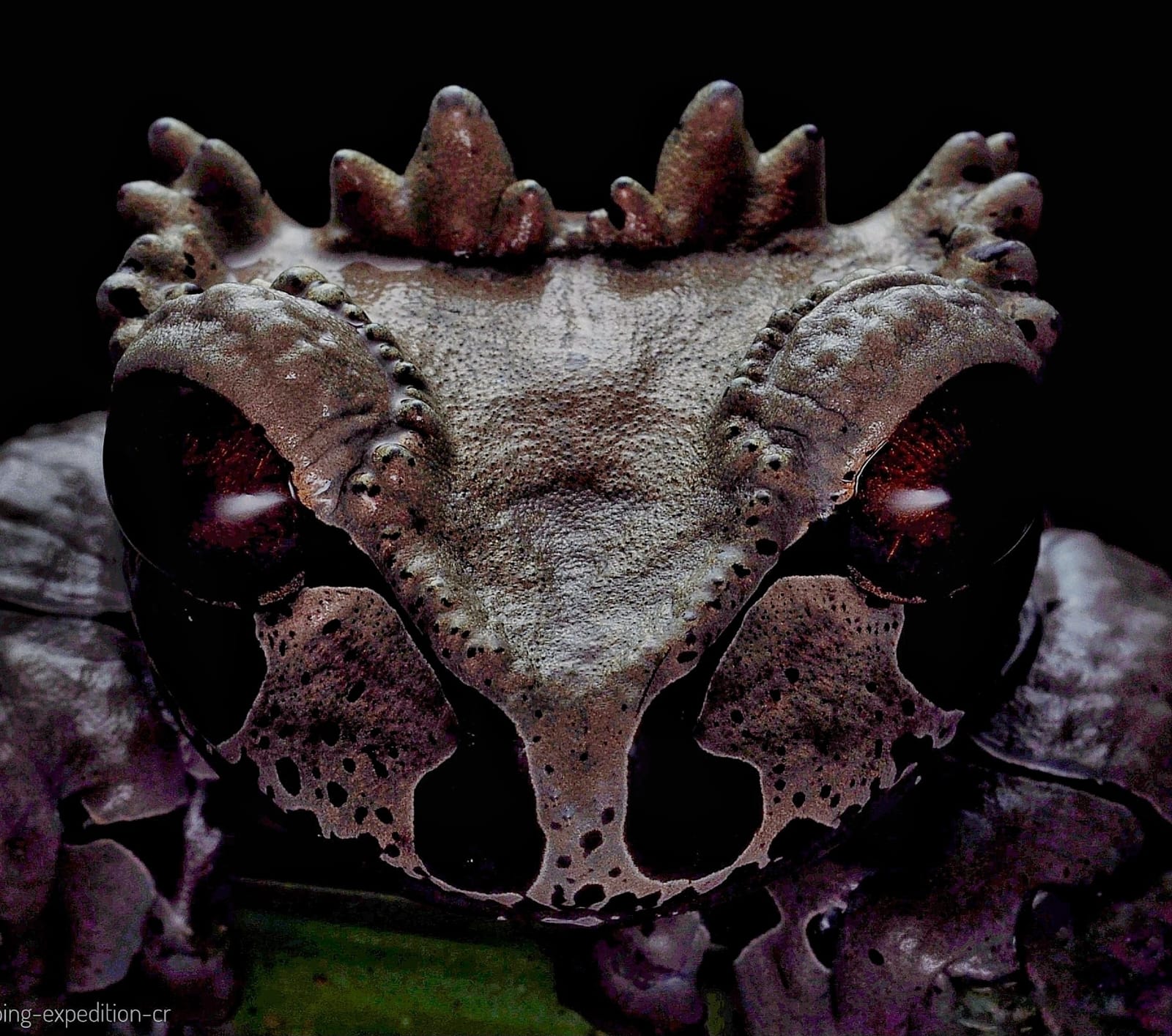
- Tree Frogs: Night walks reveal the Crowned Tree Frog (Triprion spinosus), the Splendid Leaf Frog (Cruziohyla sylviae), and the Hourglass Tree Frog (Dendropsophus ebraccatus).
- Salamanders: For the true specialist, finding the White-faced Salamander (Oedipina carablanca) is a major victory.
Lizards and Crocodilians
- Spectacled Caiman (Caiman crocodilus): We explore waterways to photograph these reptiles, paying attention to eye-shine at night.
- Boa Anillada (Corallus annulatus): A rare boid species that requires deep forest access to locate.
- Helmeted Iguana (Corytophanes cristatus): Known locally as “Perro Zompopo,” their cryptic nature makes them a rewarding find.
Ethical Herping and Photography
At Physis Photo Tours, we adhere to strict ethical guidelines. Herping has grown in popularity, and with it, the responsibility to protect these animals.
- Minimal Handling: We prefer in situ photography (as found). If an animal must be moved for safety or to prevent it from fleeing into danger, it is done by the professional guide using proper tools (snake hooks) and returned immediately to its exact location.
- No Habitat Destruction: We do not destroy logs or burrows to find animals.
- Hygiene: We practice biosecurity to prevent the spread of chytrid fungus among amphibian populations.
The Physis Experience: Gear and Strategy
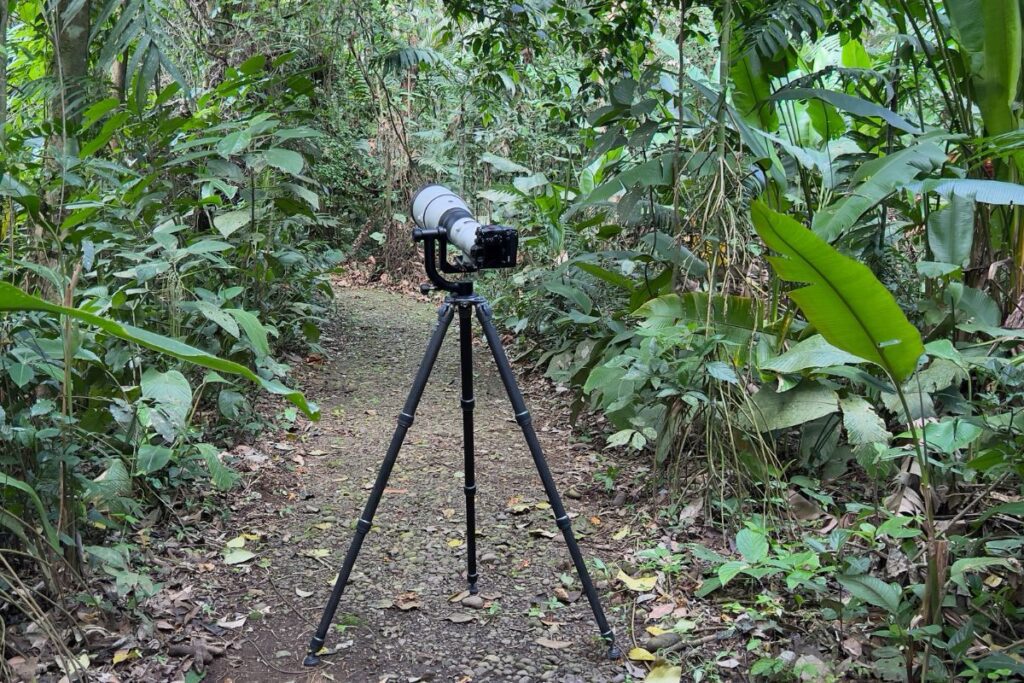
Macro photography is a big part of herping, but environmental portraits are equally important. We help you choose the right gear for the trek.
- Wide Angle Macro: Great for showing a viper in its rainforest context.
- Telephoto: Essential for the Caiman or arboreal lizards high in the trees.
- Lighting: Navigating the forest at night requires specific headlamps and diffusers for your camera flash to avoid harsh reflections on wet scales.
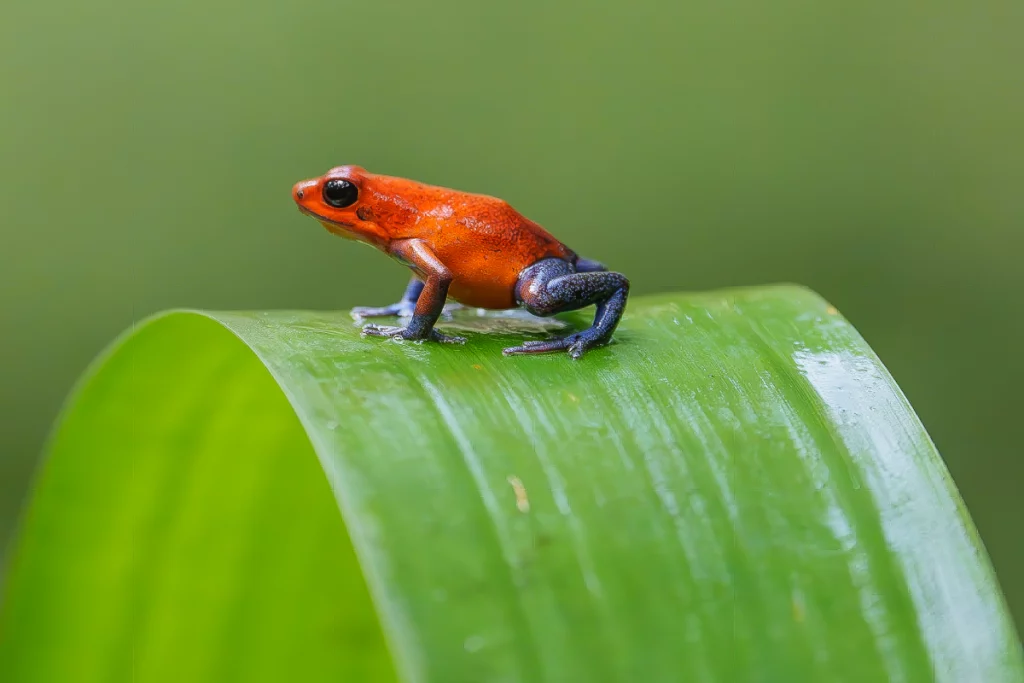
Our tours are immersive. We may start before dawn to catch the morning activity of the Blue Jeans Poison Frog (Oophaga pumilio) and end late at night searching for the Granular Glass Frog (Cochranella granulosa).
Let’s Plan Your Herping Adventure
Costa Rica is a herpetological wonderland waiting to be explored. Whether you are looking to photograph the terrifying beauty of a Bushmaster or the delicate features of a Red-Eyed Tree Frog (Agalychnis callidryas), we have the expertise to make it happen.
Don’t leave your sightings to luck. Trust Andy Bezara and the team at Physis Photo Tours to get you in front of the animals you’ve dreamed of seeing. Let’s plan your macro photo tour and herping expedition today. Contact us to build your private, custom-made itinerary.
Full Species List
The following is a comprehensive list of the species we actively track and photograph during our herping tours:
- Central American Bushmaster (Lachesis stenophrys)
- Eyelash Pit Viper (Bothriechis nigroaspersus) – Oropel, Green, and other phases
- Boa Anillada (Corallus annulatus)
- False Tree Coral Snake (Rhinobothryum bovallii)
- Vine Snake (Oxybelis koehleri)
- Speckled Racer Snake (Drymobius margaritiferus)
- Yellow-headed Gecko (Gonatodes albogularis)
- Boa Imperator (Boa imperator)
- Costa Rica Coral Snake (Micrurus mosquitensis)
- Spectacled Caiman (Caiman crocodilus)
- Helmeted Iguana / Perro Zompopo (Corytophanes cristatus)
- Crocodile Tree Frog (Scinax boulengeri)
- Granular Glass Frog (Cochranella granulosa)
- Granular Poison Frog (Oophaga granulifera)
- Golfo Dulce Poison Frog (Phyllobates vittatus)
- White-faced Salamander (Oedipina carablanca)
- Ghost Glass Frog (Sachatamia ilex)
- Green and Black Poison Frog (Dendrobates auratus)
- Reticulated Glass Frog (Hyalinobatrachium valerioi)
- Crowned Tree Frog (Triprion spinosus)
- Glass Frog (Hyalinobatrachium vireovittatum)
- Blue Jeans Poison Frog (Oophaga pumilio)
- Red-Eyed Tree Frog (Agalychnis callidryas)
- Hourglass Tree Frog (Dendropsophus ebraccatus)
- Splendid Leaf Frog (Cruziohyla sylviae)