Costa Rica packs an unusual range of ecosystems into a small country — cloud forest, lowland rainforest, wetlands, and tropical dry forest, sometimes separated by less than a two-hour drive. For a photographer, that range is the real asset. Each ecosystem does not just host different species; it produces a different kind of light, a different working distance, and a different technical challenge behind the camera.
This guide looks at Costa Rica’s main ecosystems the way a photographer needs to see them — not as a biology lesson, but as a set of working conditions that shape what you can capture and how.
The Short Answer
Costa Rica’s photographically significant ecosystems fall into four broad categories: cloud forest, lowland rainforest, wetlands, and tropical dry forest. Each shapes photography differently — cloud forest offers soft, diffused light and elusive high-altitude species; rainforest offers dense cover and patient, close-range work; wetlands open up wide sightlines over water for birds and reptiles; dry forest offers more open canopy, stronger light, and different seasonal behavior.
Cloud Forest: Soft Light and Patient Work
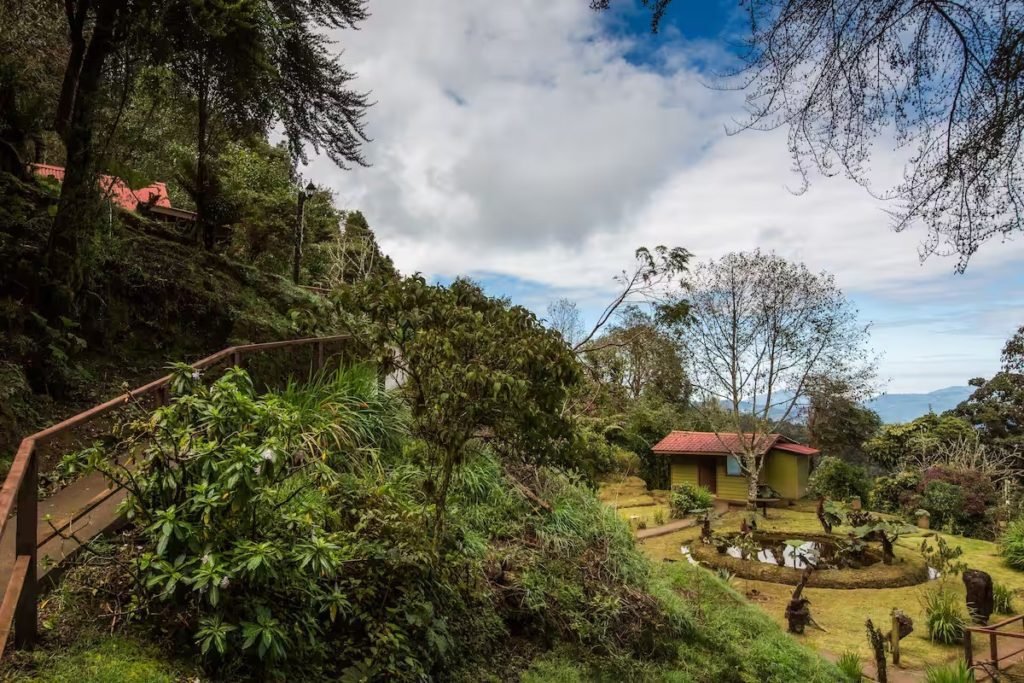
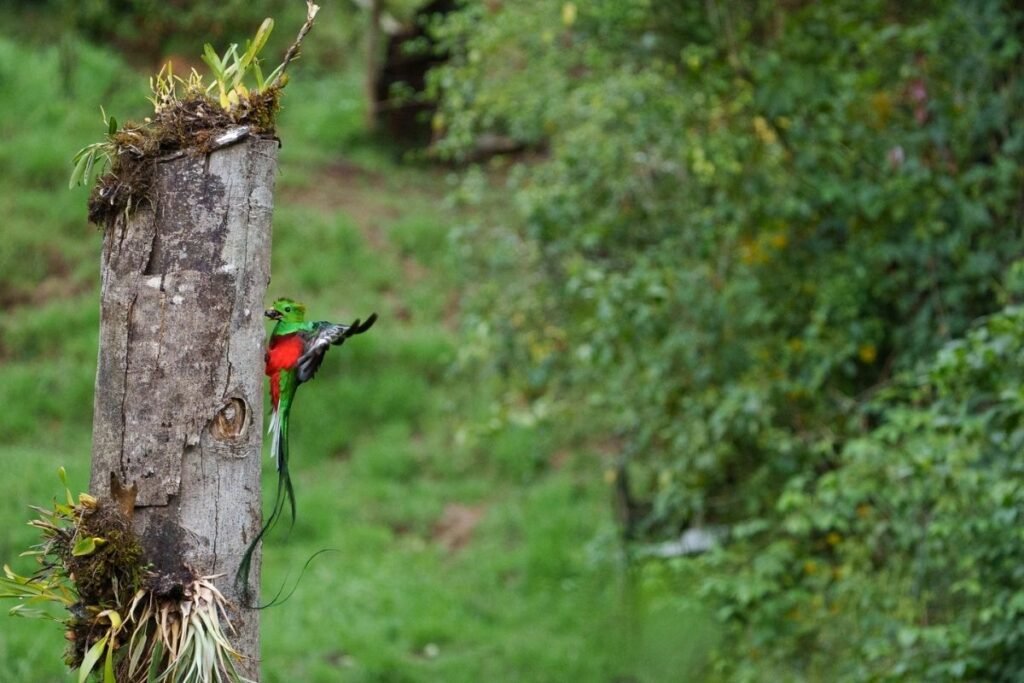
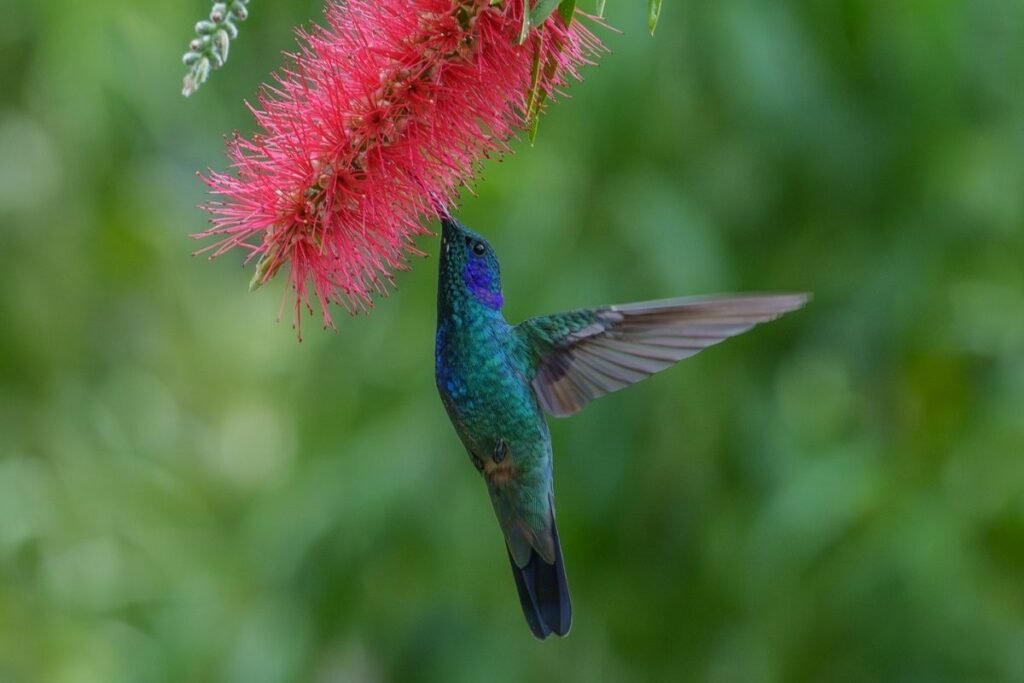
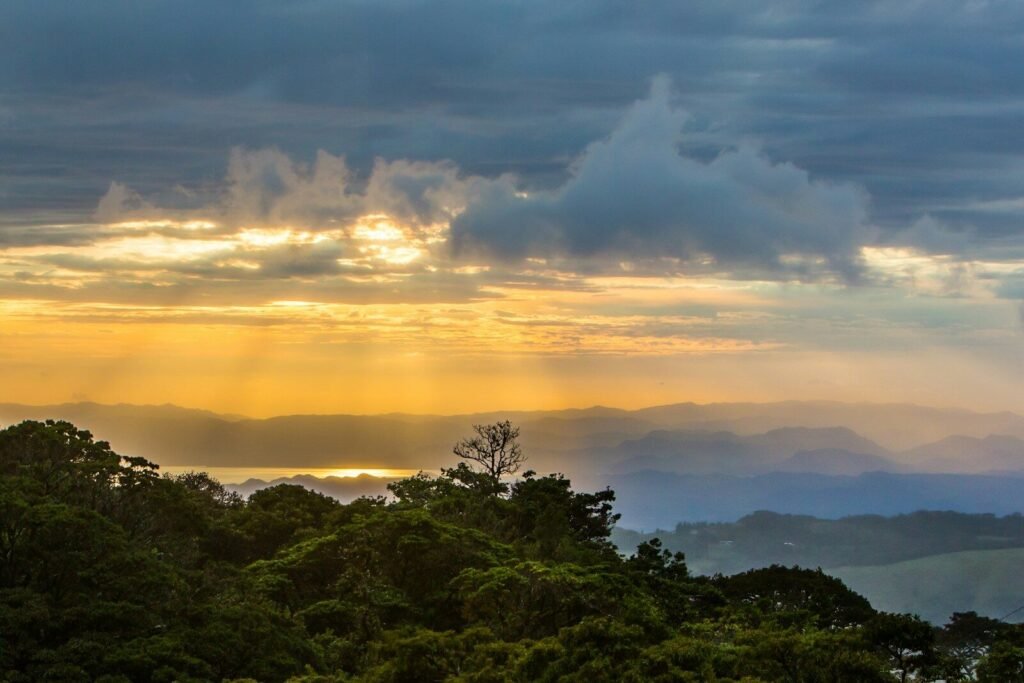
Cloud forest sits at mid-to-high elevation, where clouds and mist move through the canopy for much of the day. The result is some of the most even, flattering natural light in the country — ideal for subjects with fine detail, like the resplendent quetzal or hummingbirds at rest. The trade-off is density: visibility is often short, and subjects appear briefly in gaps of vegetation. San Gerardo de Dota is Costa Rica’s defining cloud forest destination for photographers, built almost entirely around this ecosystem’s light and its highland specialist species.
Lowland Rainforest: Density, Depth, and Discipline
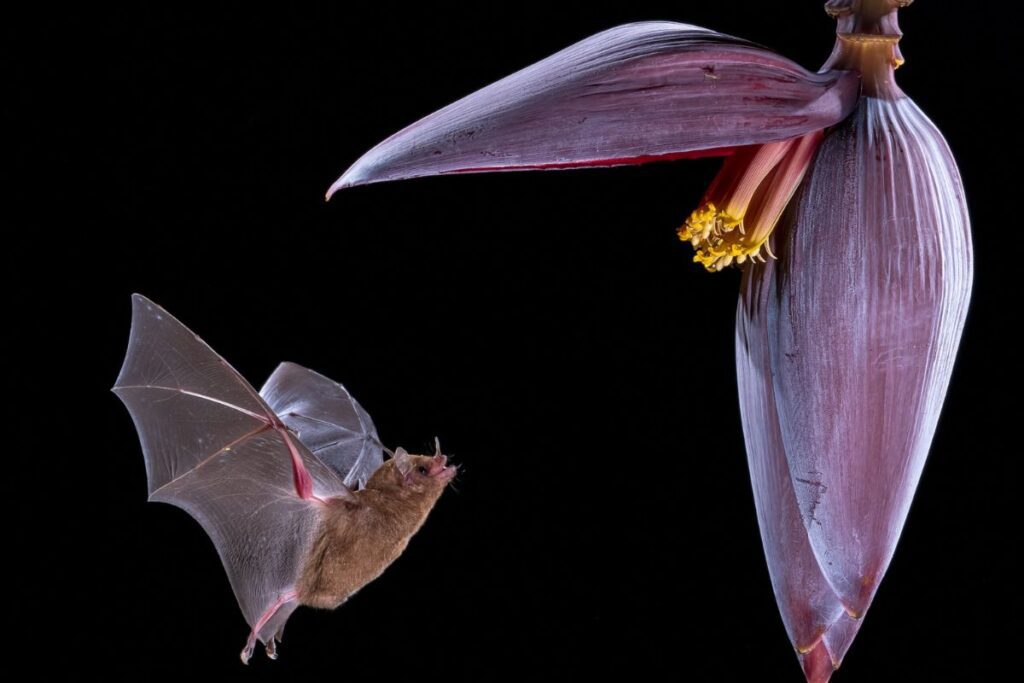
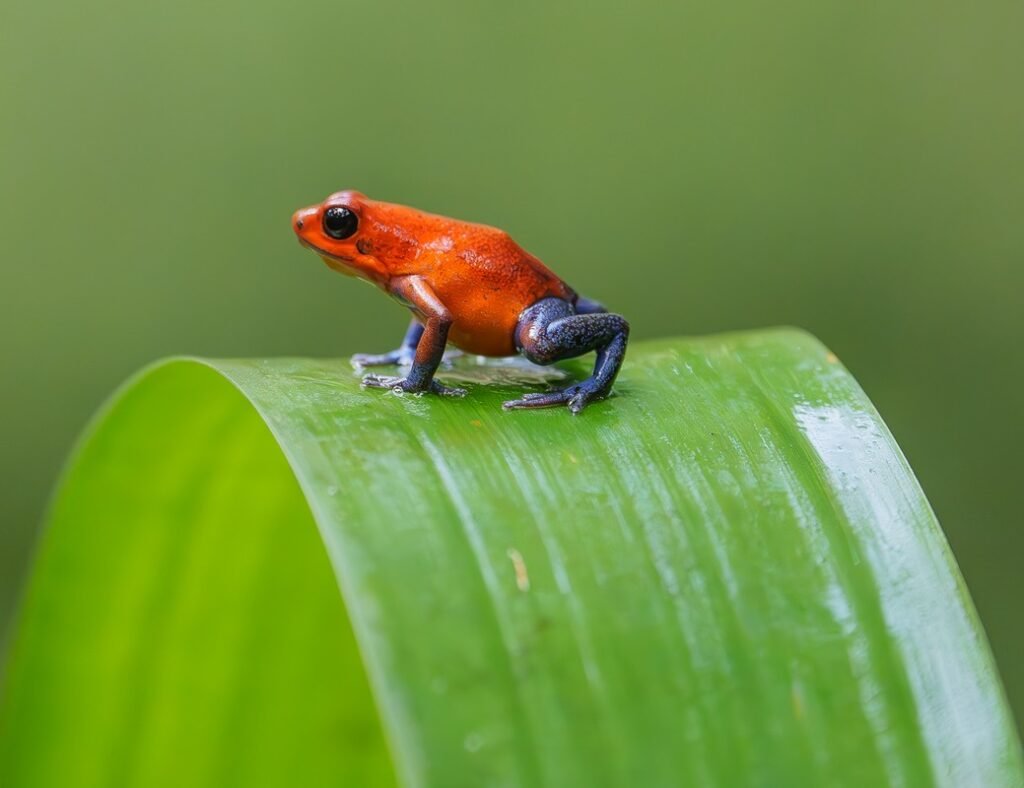
Lowland rainforest is what most people picture when they imagine Costa Rica — tall canopy, dense understory, and a wide diversity of mammals, reptiles, and insects working at every layer from forest floor to canopy. Light here is filtered and often low, rewarding patience over movement. This is macro photography territory as much as wildlife territory; many of the country’s most interesting small subjects — frogs, insects, reptiles — live in this dense, humid layer. Regions like Sarapiquí and Guápiles put you directly inside this ecosystem.
Wetlands: Open Sightlines and Waterbird Behavior
Wetlands invert the density problem of the rainforest. Open water and marsh vegetation create long, clear sightlines — useful for photographing birds and reptiles in flight or in behavior sequences that dense forest would hide. Costa Rica’s wetlands, including Caño Negro and Maquenque, are read from boats, which changes both your working angle and your patience requirements — you photograph on the water’s schedule, not yours.
Tropical Dry Forest: Open Canopy, Stronger Light
Tropical dry forest, concentrated in the northern Pacific region, has a more open canopy structure than rainforest, which lets in stronger, more direct light. Seasonality is more pronounced here than in any other ecosystem — the dry season strips much of the canopy, opening sightlines and concentrating wildlife around remaining water sources, while the green season transforms the same forest into dense cover. Photographing this ecosystem well means matching your visit to what that particular season offers, rather than expecting rainforest-style density year-round.
Reading an Ecosystem Before You Photograph It
Each ecosystem rewards a different approach:
- Cloud forest rewards stillness and long waits at known perches or fruiting trees.
- Rainforest rewards slow, deliberate movement and close attention to the forest floor and mid-story.
- Wetlands reward reading water and light from a boat, often at first and last light.
- Dry forest rewards planning around the season, since the same location can look and behave completely differently in December versus August.
Why Ecosystem Diversity Changes How You Plan
Because these ecosystems sit close together on the map but behave so differently in the field, a strong Costa Rica photography itinerary is built ecosystem by ecosystem, not just location by location. Two destinations an hour apart can demand completely different technique, gear readiness, and pacing. This is where local field experience matters — knowing not just where an ecosystem is, but what it will actually ask of you and your camera on a given day. Our wildlife photography tours, bird photography tours, and macro photography tours are each built around the specific ecosystems that produce those subjects best.
Plan Around the Ecosystems That Match Your Subjects
The right mix of ecosystems depends entirely on what you want to photograph. A private itinerary can move between cloud forest, wetland, and rainforest in a single trip — the planning work is making sure each stop earns its place. Start with private Costa Rica photography tours and tell us what you’re chasing.
Frequently Asked Questions
What are the main ecosystems in Costa Rica for photography?
The four photographically significant ecosystems are cloud forest, lowland rainforest, wetlands, and tropical dry forest. Each offers different light conditions, species, and fieldcraft — from the soft diffused light of cloud forest to the open sightlines of wetlands.
What is the best ecosystem for bird photography in Costa Rica?
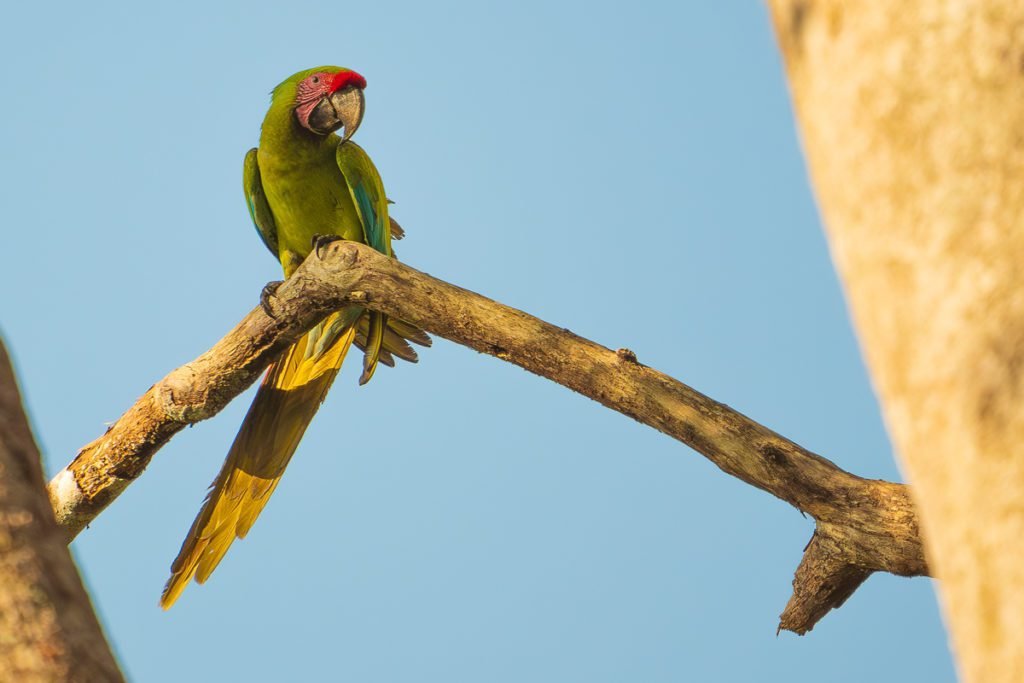
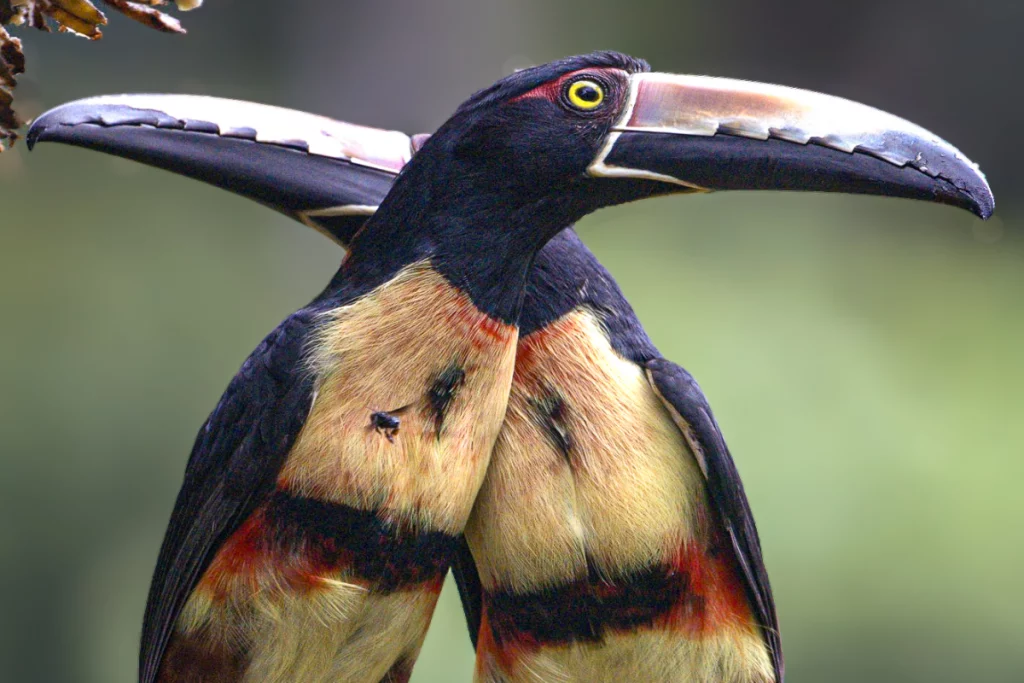
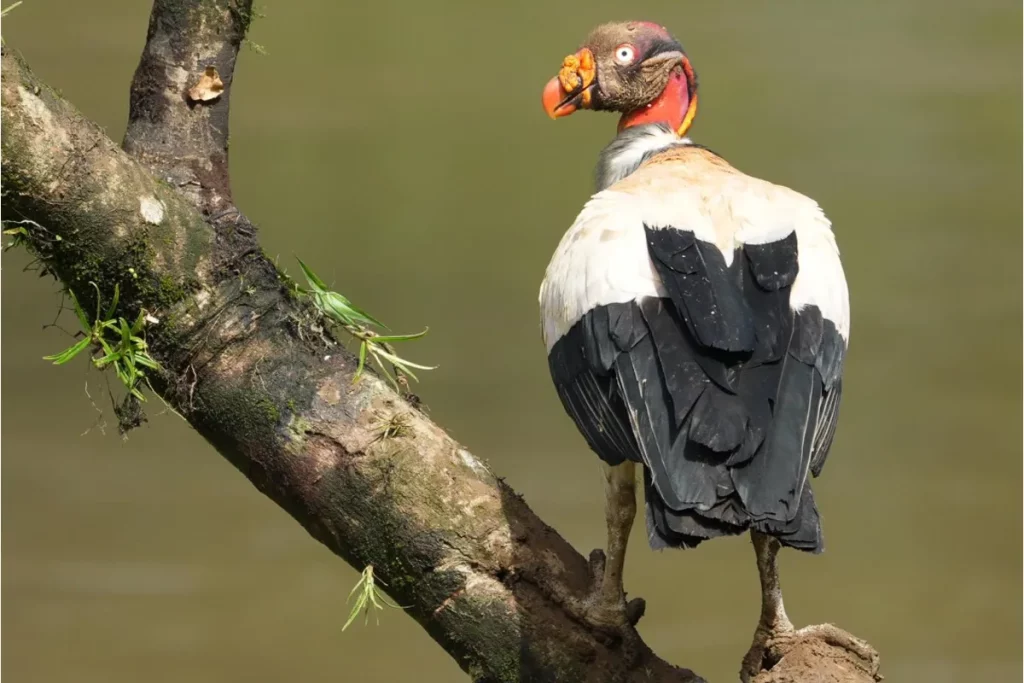
It depends on the species. Cloud forest hosts highland specialists like the resplendent quetzal, wetlands offer open sightlines for waterbirds and raptors, and lowland rainforest holds the greatest overall diversity, though often at closer range and lower light.
Why is cloud forest light so good for photography?
Cloud forest sits at an elevation where mist and cloud move through the canopy for much of the day, diffusing sunlight into a soft, even light with few harsh shadows. This makes it especially good for subjects with fine detail, like hummingbirds and highland birds.
Do I need different camera gear for different Costa Rica ecosystems?
The core gear stays similar, but technique changes. Rainforest and cloud forest often mean lower light and closer subjects, favoring fast lenses and patience. Wetlands favor longer reach for birds across open water. Dry forest’s stronger light allows for different exposure choices than the shaded ecosystems.
Can one photography trip cover multiple Costa Rica ecosystems?
Yes. Several of Costa Rica’s ecosystems sit within a few hours of each other, so a well-planned itinerary can move between cloud forest, wetland, and rainforest in a single private trip, provided the pacing accounts for what each ecosystem actually demands in the field.