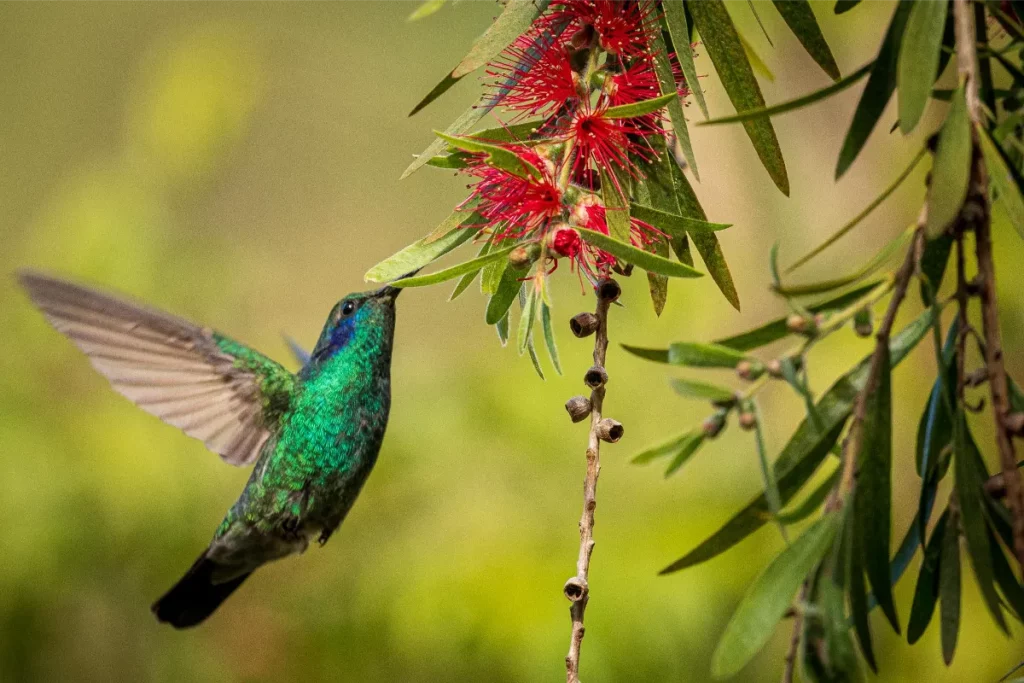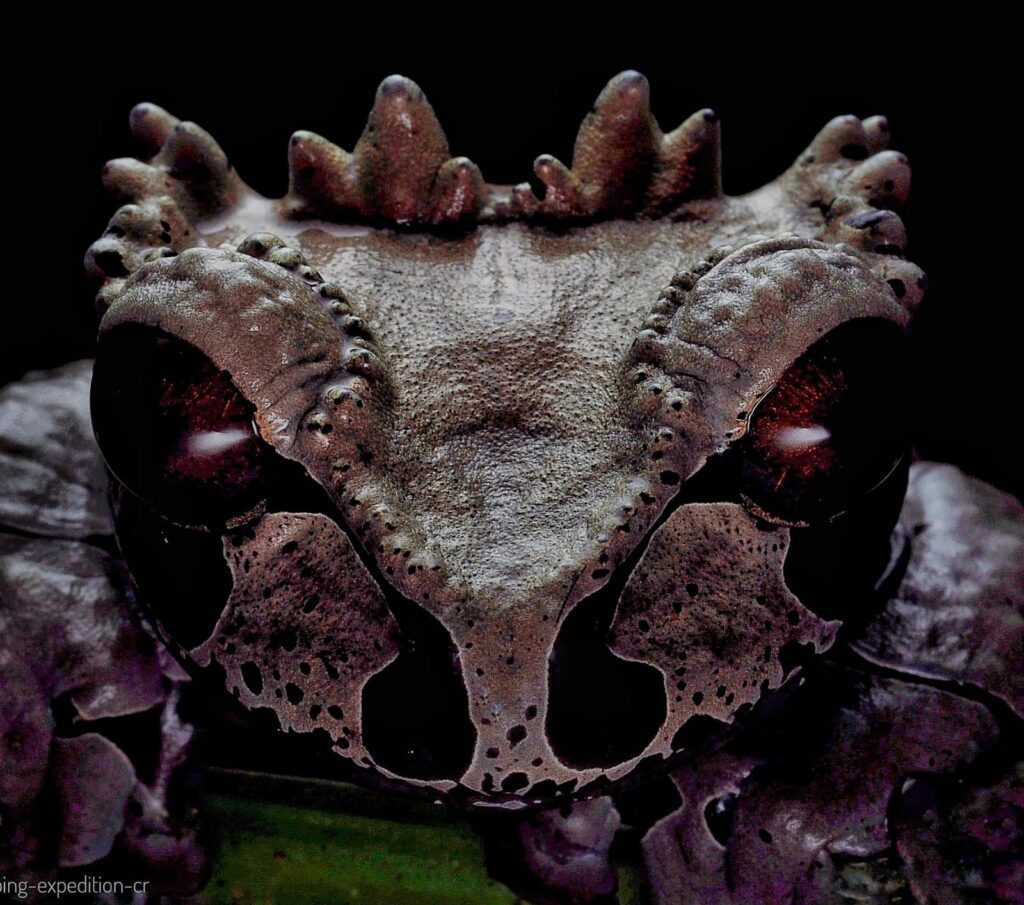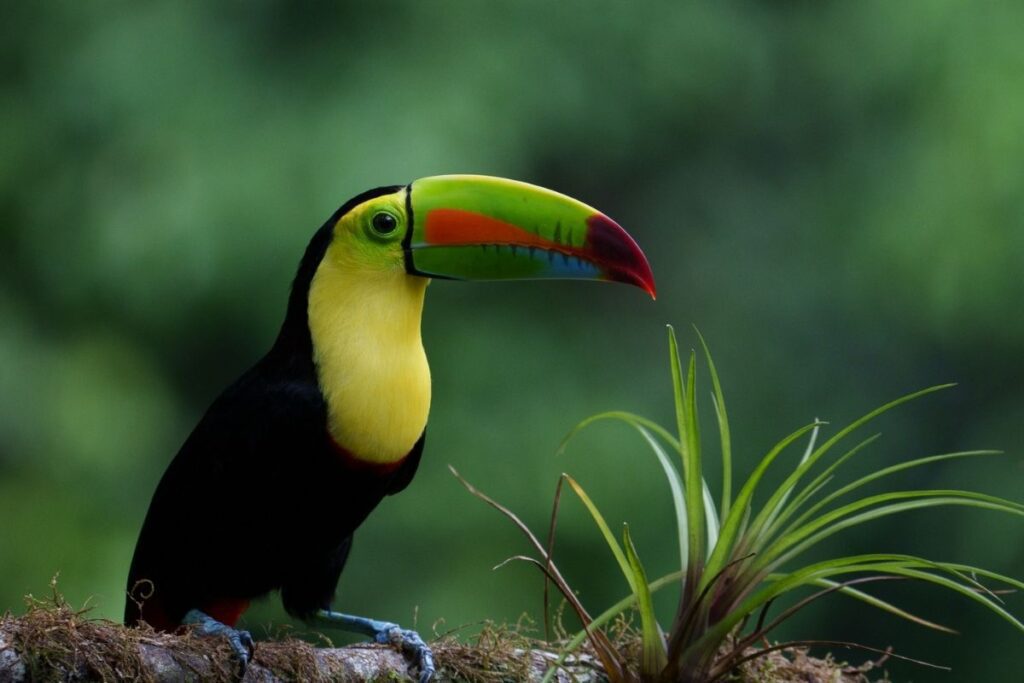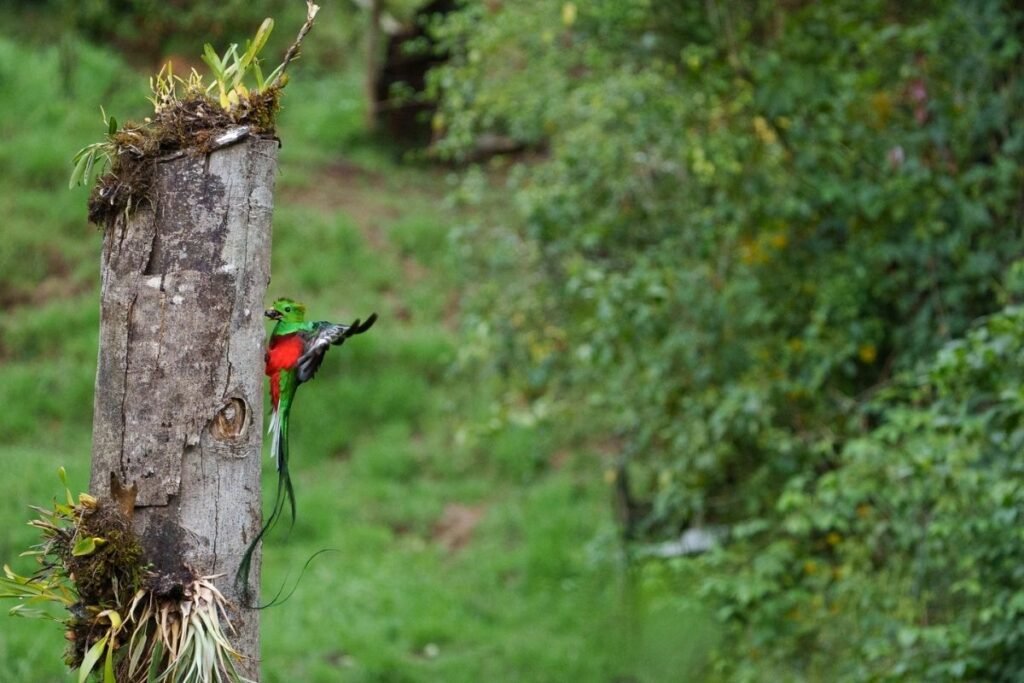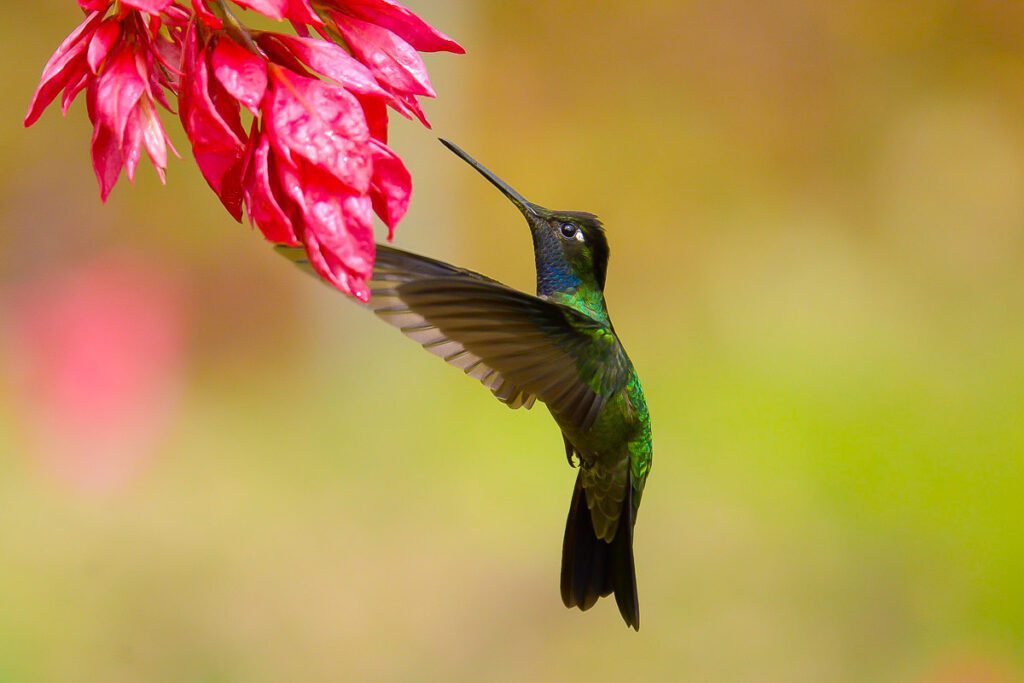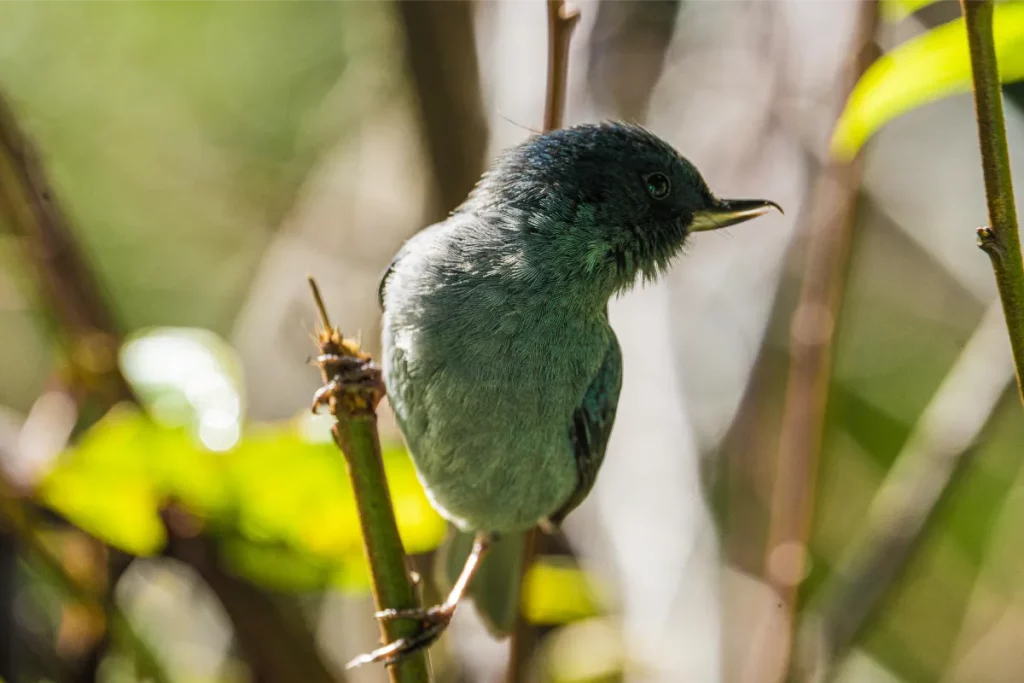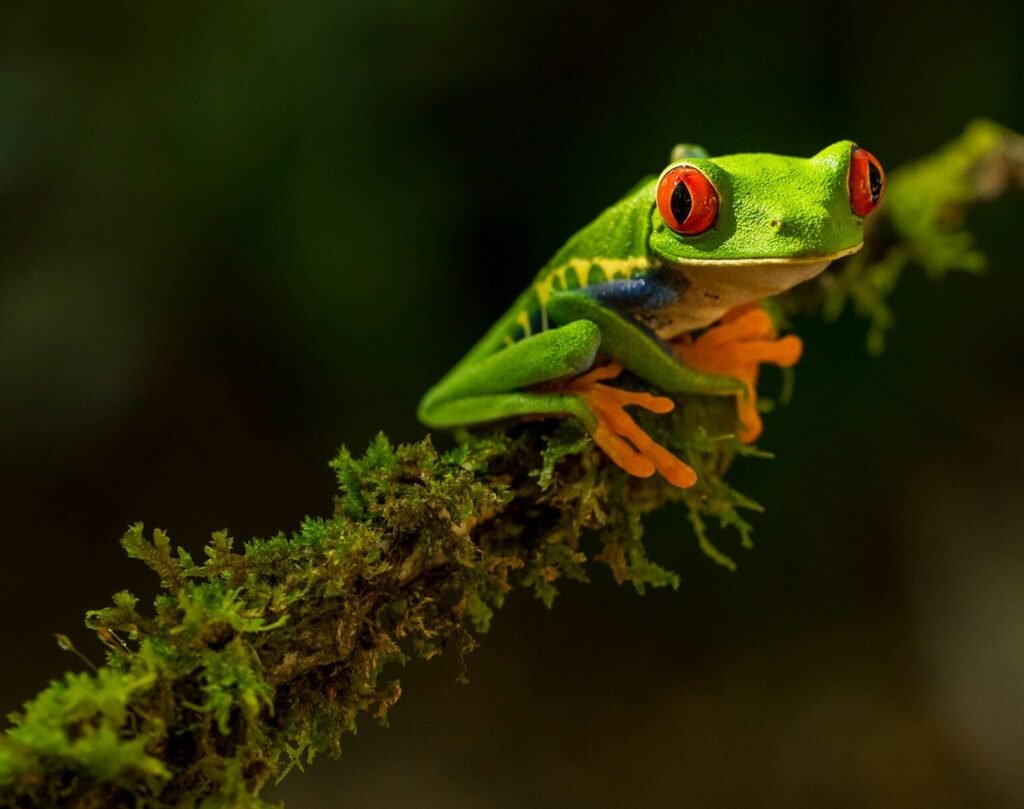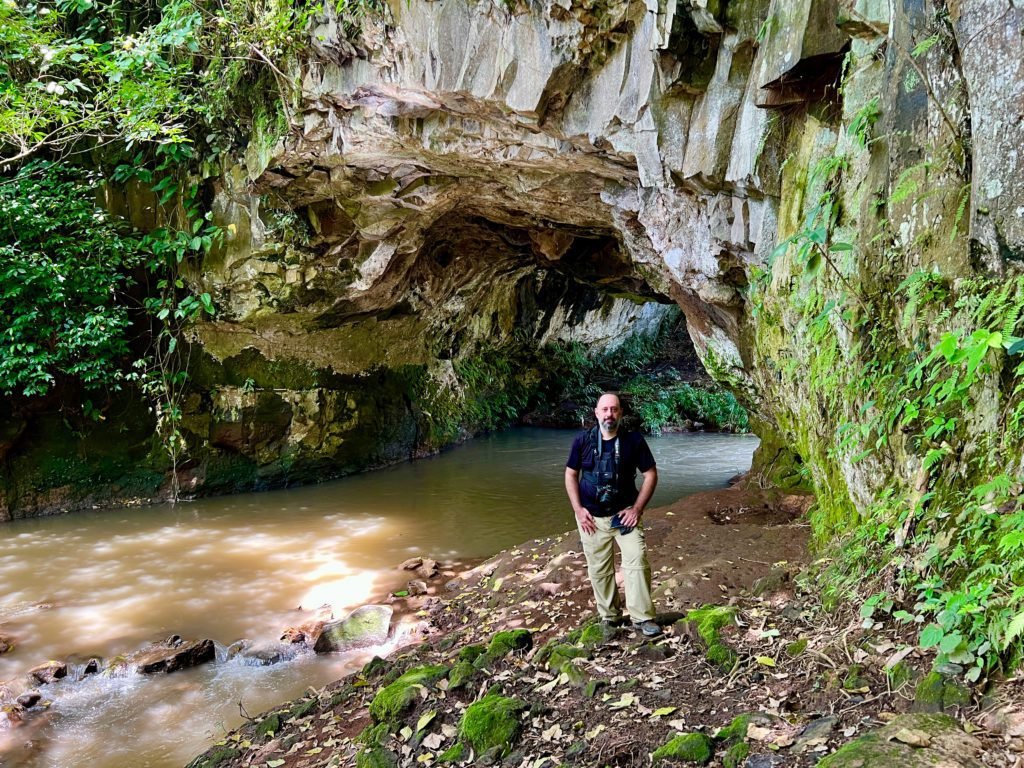

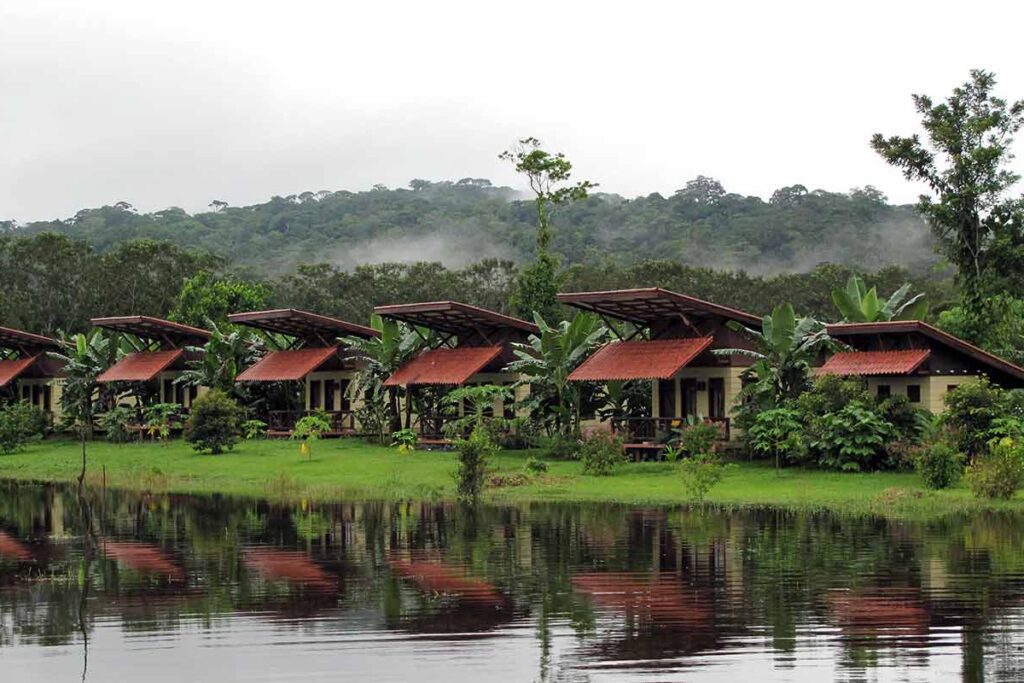
The best bird photography lodge in Costa Rica depends on the photographs you want to create. Savegre Lodge and Paraíso Quetzal are strong choices for quetzals and highland species; Rancho Naturalista excels in Caribbean foothill birds and hummingbirds; Selva Verde provides access to lowland rainforest; Laguna del Lagarto is especially productive for northern lowland species; and Hotel de Campo Caño Negro adds wetland birds and boat-based photography.
For most photographers, the strongest Costa Rica itinerary does not depend on a single lodge. It combines two or three complementary habitats, allowing you to photograph a wider variety of birds without spending the entire trip changing hotels.
This guide compares twelve lodges selected by Physis Photo Tours according to their photographic access, habitat, location, specialist services and role within a private bird photography itinerary.
How to Choose a Bird Photography Lodge in Costa Rica
Birdwatching and bird photography are related, but they are not the same activity. A lodge can have an impressive bird list while offering limited photographic opportunities. Photographers also need to consider working distance, background quality, direction of light, space for tripods, early access, covered observation areas and the time available to wait for behavior.
When evaluating a lodge, Physis Photo Tours considers:
- Location within a distinctive wildlife habitat
- On-site trails, observation areas and access to surrounding reserves
- Opportunities to photograph birds near eye level
- Availability of experienced local guides
- Early-morning and specialized photography activities
- Practical facilities for charging, storing and cleaning equipment
- Comfort for photographers and non-photographing companions
- Environmental practices and connections with local communities
- How naturally the lodge fits into a longer private itinerary
Read how Physis evaluates and selects photography hotels and lodges in Costa Rica. “Physis Certified” is an internal editorial and operational standard—not a government classification or a guarantee that a particular species will appear. You can also browse all Photography Lodges profiles when comparing individual bases.
Costa Rica Bird Photography Lodges at a Glance
| Lodge | Region and habitat | Particularly suitable for | Main consideration |
|---|---|---|---|
| Savegre Lodge | San Gerardo de Dota cloud forest | Resplendent Quetzal and highland birds | Cool, humid conditions and forest light |
| Gema del Bosque | San Gerardo de Dota highlands | Hummingbirds and intimate garden photography | Best used as part of a wider Dota program |
| Paraíso Quetzal Lodge | High-elevation cloud forest | Quetzals and highland hummingbirds | Cold mornings and changing mountain weather |
| Quinta Galeón Lodge | Dota coffee highlands | Hummingbirds and a quiet private setting | Smaller and more specialized |
| Hotel Quelitales | Cachí and Caribbean-slope foothills | Hummingbirds, forest birds and gardens | Mountain roads affect transfer planning |
| Rancho Naturalista | Turrialba foothills | Hummingbirds, tanagers and foothill specialties | Several sessions improve the photographic return |
| Selva Verde Lodge | Sarapiquí lowland rainforest | Toucans, trogons and rainforest birds | Dense vegetation can produce challenging light |
| Arenal Observatory Lodge | Arenal forest and volcanic landscape | Habitat diversity, birds and environmental images | A large property requires session planning |
| Maquenque Eco Lodge | Boca Tapada wetlands and rainforest | Northern lowland birds and environmental images | Remote location requires sufficient time |
| Laguna del Lagarto | Northern Caribbean lowlands | Toucans, tanagers, parrots and possible King Vulture activity | Allow enough nights to justify the transfer |
| Boca Tapada Lodge | Boca Tapada private reserve | Guided lowland birding and quiet forest access | Smaller operation with fewer resort services |
| Hotel de Campo Caño Negro | Caño Negro wetlands | Jabiru, Agami Heron, kingfishers and boat photography | Water levels and seasonal movements influence sessions |
No lodge can guarantee a bird sighting. Weather, food availability, nesting activity, migration and natural behavior can change photographic conditions from one day to the next.
Best Cloud Forest and Highland Lodges for Bird Photography
Costa Rica’s highlands provide a completely different photographic environment from the Caribbean lowlands. Temperatures are cooler, vegetation is dense and mist can transform the light within minutes. These regions are especially important for photographers interested in Resplendent Quetzals, highland hummingbirds and species restricted to the mountains of Costa Rica and western Panama.
1. Savegre Lodge
Savegre Lodge is one of the most established bases in San Gerardo de Dota. Its location gives photographers access to private forest, mountain trails, gardens and nearby quetzal habitat without requiring a long drive before every morning session.
The Resplendent Quetzal is the principal attraction, but concentrating exclusively on it would overlook much of the valley’s photographic potential. Woodpeckers, thrushes, warblers, silky-flycatchers and several hummingbird species may also be encountered around the forest and lodge grounds.
Savegre works particularly well for photographers who want several opportunities to search for quetzals, a comfortable base for early sessions, local guides familiar with current activity and alternatives for a companion who does not want to photograph all day. The main challenge is light: quetzals frequently remain inside the forest canopy or appear against bright openings. Fast lenses, careful exposure control and a willingness to work at high ISO are often more valuable than additional focal length.
2. Gema del Bosque Lodge
Gema del Bosque is a smaller lodge in the Dota highlands that specializes in bird observation and photography. Its gardens and forest setting can provide quieter sessions than larger properties.
It suits photographers who value an intimate atmosphere, highland hummingbirds and short transitions between rooms, gardens and photography areas. Its greatest value comes from combining productive on-site sessions with selected outings based on current bird activity elsewhere in the valley.
3. Paraíso Quetzal Lodge
Paraíso Quetzal occupies high-elevation cloud forest along the Inter-American Highway. Its location makes it useful at the beginning or end of an itinerary and particularly relevant for photographers searching for Resplendent Quetzals and highland hummingbirds.
The lodge and surrounding forest are associated with Fiery-throated Hummingbird, Talamanca Hummingbird and other mountain birds. Local quetzal outings can provide opportunities in forest and wild-avocado habitat, although working distances and backgrounds vary. Warm layers and rain protection should remain accessible even during Costa Rica’s nominal dry season.
4. Quinta Galeón Lodge
Quinta Galeón Lodge is a private, family-owned mountain property in the Dota coffee region. It is particularly appealing to photographers who prefer a small-scale experience and concentrated hummingbird photography.
The quieter setting can allow a photographer to study repeated flight paths, favorite perches and changes in light rather than constantly moving in search of a larger checklist. Because access and specialized activities may require advance coordination, it should be incorporated intentionally into the itinerary.
5. Hotel Quelitales
Hotel Quelitales is located near Cachí, between highland and Caribbean-slope habitats. Gardens, balconies and forest trails allow photographers to work close to the accommodation, while the surrounding region creates opportunities to explore additional elevations.
Quelitales is a good option for hummingbird and garden photography, travelers who want productive sessions without long walks and itineraries connecting the central highlands with Turrialba. Its strategic value is often logistical: it can add a new elevation and bird community while avoiding an unnecessary return to San José.
Best Caribbean Foothill, Lowland and Wetland Lodges
The Caribbean slope and northern lowlands offer warmer conditions, greater species diversity and a different visual palette. Toucans, tanagers, parrots, trogons, motmots and hummingbirds are among the principal photographic subjects. These forests can be extremely productive, but humidity, rain, dark backgrounds and birds moving through several canopy levels make local knowledge especially valuable.
6. Rancho Naturalista
Rancho Naturalista is one of Costa Rica’s best-known specialist birding lodges. Located in the Turrialba foothills, it provides access to hummingbird areas, forest trails and a balcony where birds regularly move through the surrounding vegetation.
The property is associated with sought-after species such as Snowcap and Black-crested Coquette. It is also known for forest hummingbirds visiting shallow bathing areas, although these sessions depend on natural activity and suitable conditions. Spending two or three nights allows a photographer to return to productive locations under different light instead of treating every sighting as a single opportunity.
7. Selva Verde Lodge
Selva Verde Lodge protects approximately 500 acres of rainforest in Sarapiquí. Its forest, river and garden habitats make it a practical base for lowland birds as well as amphibians, reptiles and mammals.
Potential subjects include toucans, trogons, motmots, woodpeckers, parrots and mixed feeding flocks. Covered walkways and accessible grounds can be valuable during rain. The forest can be dark, so effective stabilization, good high-ISO technique and rain protection are usually more useful than carrying a tripod on every excursion.
8. Arenal Observatory Lodge
Arenal Observatory Lodge combines forest, gardens, open areas and views of Arenal Volcano. The property reports more than 500 bird species, approximately 11 kilometers of trails and an observation tower.
This variety makes Arenal particularly useful for photographers who want more than close portraits. Birds can be photographed as part of the landscape, while different elevations and habitat edges create opportunities throughout the property. Because it is extensive, morning light, recent sightings and target species should determine which section to visit first.
9. Maquenque Eco Lodge
Maquenque Eco Lodge is surrounded by the forests and wetlands of Boca Tapada. Lagoons, forest edges and lowland rainforest create possibilities for birds, mammals, reptiles and wider environmental photographs.
Maquenque appeals to photographers who prefer immersion in a natural setting rather than relying exclusively on a fixed photography station. The remote location is part of its value, but also means that one night is rarely enough. Two or three nights provide more flexibility if rain affects a morning or a target species is temporarily inactive.
10. Laguna del Lagarto Eco-Lodge
Laguna del Lagarto is one of the most productive northern lowland locations for photographers seeking relatively close opportunities with colorful birds.
Its observation and photography areas may attract toucans, tanagers, parrots and other forest-edge species. The surrounding rainforest and lagoons expand the experience beyond the principal platforms, while King Vulture activity is an important possibility for many visiting photographers. A minimum of two nights is sensible; three may be better when the region is a priority.
11. Boca Tapada Lodge
Boca Tapada Lodge provides access to a private reserve and guided early-morning birding in the northern lowlands. It offers a quieter, smaller-scale alternative for travelers who want to explore trails with a local guide and combine birds with broader wildlife experiences.
It should not be selected simply because it shares a regional name with other lodges. Laguna del Lagarto, Maquenque and Boca Tapada Lodge offer different experiences. The right choice depends on whether the priority is concentrated photography, wetland immersion or guided forest exploration.
12. Hotel de Campo Caño Negro
Hotel de Campo is located beside the Caño Negro Wildlife Refuge, giving photographers direct access to one of Costa Rica’s most distinctive wetland ecosystems.
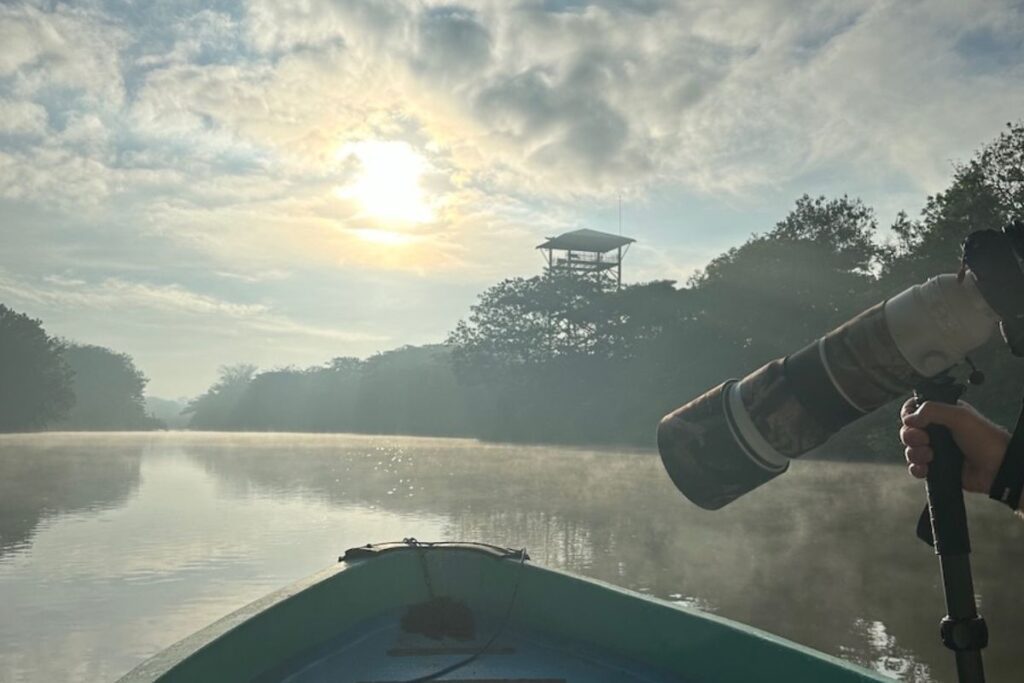
Unlike forest lodges where most photography takes place from trails or gardens, the principal experience at Caño Negro is working from a private boat. This creates low viewing angles, cleaner backgrounds and opportunities to approach suitable positions gradually without leaving established navigation routes.
Potential subjects include Jabiru, Agami Heron, kingfishers, anhingas, cormorants, jacanas, egrets, storks, raptors and other aquatic or riparian birds. Monkeys, caimans, reptiles and wetland landscapes can broaden the photographic portfolio. The hotel also maintains gardens, observation decks and a lagoon-front forest, allowing photographers to continue looking for subjects between boat sessions.
A private boat is especially valuable for photographers because it provides more control over pace, positioning and the time spent with a subject than a shared general-interest excursion. Water levels change throughout the year and influence where birds feed, nest and concentrate, so dates should be evaluated according to the photographer’s priorities.
How to Combine Birding Lodges in a Private Itinerary
Trying to include every lodge usually produces too much driving and too little photography. A better approach is to select complementary habitats and remain long enough to photograph each area under more than one set of conditions.
A focused five- to seven-night trip
Combine San Gerardo de Dota or Paraíso Quetzal for highland species with Rancho Naturalista or Selva Verde for Caribbean-slope birds. This format works for photographers with limited time or one principal target, but it requires disciplined priorities.
A balanced eight- to ten-night trip
Combine two or three nights in the Dota highlands, two nights in Turrialba or Sarapiquí and three nights in Arenal, Boca Tapada or Caño Negro. This is often the most efficient format for a first dedicated bird photography journey because it creates real habitat diversity without moving every day.
An in-depth eleven- to fourteen-night trip
A longer private itinerary can connect Dota cloud forest, Cachí or Turrialba, Sarapiquí, Arenal and either Boca Tapada or the Caño Negro wetlands. The additional time should create flexibility rather than simply add more stops. It allows sessions to be adjusted around weather, current bird activity, physical condition and the needs of non-photographing companions.
Physis Photo Tours evaluates five factors before selecting the lodges:
- Target species and desired types of images
- Travel dates and seasonal conditions
- Preferred pace and physical requirements
- Camera equipment and photographic experience
- Comfort and activities required by companions
When Is the Best Time?
Costa Rica can support bird photography throughout the year. The drier months often provide more predictable mornings in the Pacific and central highlands, but can also bring stronger contrast, busier lodges and dry vegetation. The green season can produce softer light, saturated backgrounds and fewer visitors. Rain may shorten some sessions, but a flexible private itinerary can use covered areas, change elevations or move activities according to conditions.
The Caribbean slope does not follow the Pacific weather pattern exactly. This is one reason a national “best month” can be misleading: the correct dates depend on the regions and species included in the journey.
What Equipment Should You Bring?
- A 400–600mm focal length for small and distant birds
- A 100–500mm, 200–600mm or similar zoom for flexibility
- A 70–200mm lens for larger wildlife and environmental images
- A monopod for narrow trails and stable observation areas
- Accessible rain protection
- Extra batteries and memory cards
- A backup camera body when possible
Flash use should follow lodge rules and ethical wildlife-photography practices. It should never be used in a way that repeatedly disturbs a bird, affects nesting behavior or interferes with other visitors.
Plan the Right Lodge Combination with Physis Photo Tours
The best bird photography lodges in Costa Rica are not interchangeable. A lodge ideal for hummingbird flight photography may be less suitable for environmental images. A famous birding property may not fit a traveler with limited mobility. A remote lodge may offer exceptional possibilities but consume too much time in a short itinerary.
Physis Photo Tours designs private Costa Rica photography itineraries around the photographer rather than forcing every traveler into the same circuit.
To begin composing your journey, send us your preferred dates, available days, target birds or desired photographs, photographic experience, equipment, preferred physical pace, companion needs and accommodation style. We can then recommend the combination of lodges, habitats and local guides that makes the best use of your time.
Frequently Asked Questions
What is the best bird photography lodge in Costa Rica?
There is no single best lodge for every photographer. Savegre and Paraíso Quetzal are strong for highland birds and quetzals; Rancho Naturalista is excellent for Caribbean foothill species and hummingbirds; Laguna del Lagarto is productive for northern lowland birds; and Hotel de Campo Caño Negro specializes in wetland photography.
Which lodge is best for photographing the Resplendent Quetzal?
Savegre Lodge, Gema del Bosque and Paraíso Quetzal are well positioned for quetzal habitat. Current fruiting trees, nesting activity, weather and local knowledge affect opportunities, so sightings and photographs cannot be guaranteed.
Which Costa Rica lodge is best for hummingbird photography?
Rancho Naturalista, Hotel Quelitales, Quinta Galeón, Gema del Bosque and Paraíso Quetzal offer different hummingbird possibilities. The right choice depends on whether you want highland species, Caribbean foothill species, perched portraits or flight photography.
How many birding lodges should I include?
Most photographers should include two lodges in a trip of five to seven nights and three or four lodges in an eight- to fourteen-night itinerary. Remaining at least two nights in important locations usually produces better results than moving every day.
Is the dry season always best for bird photography?
No. Drier months may provide more predictable access in some regions, while the green season can offer softer light, richer backgrounds and fewer visitors. Weather patterns also differ between the Pacific, highlands and Caribbean slope.
Can a non-photographer enjoy these lodges?
Yes. Several lodges offer walking trails, gardens, wellness activities, scenic views, boat excursions and comfortable areas for relaxing. A private itinerary can balance intensive photography sessions with activities and free time for companions.