
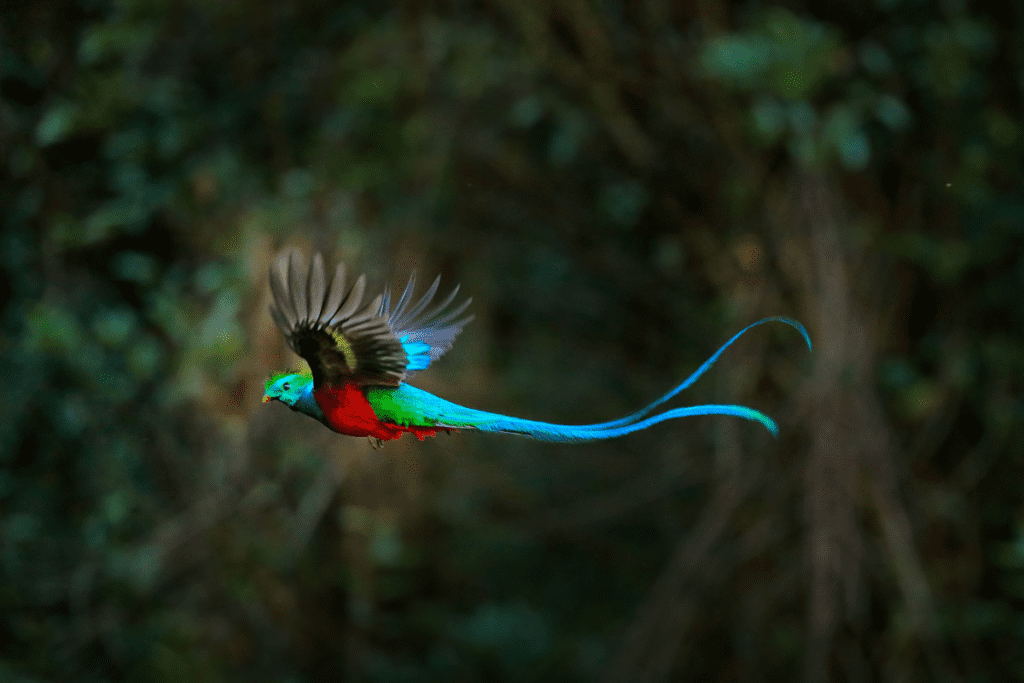
Photographing the Resplendent Quetzal in Costa Rica is rarely about arriving at a famous location and pointing a long lens into the forest. The bird lives in mountain habitat where light is limited, fruiting trees influence movement and every encounter depends on fieldcraft, patience and local knowledge. This guide explains how to plan a responsible quetzal photography experience around the subject rather than around a generic sightseeing schedule.
1. What Makes Resplendent Quetzal Photography Different
The Resplendent Quetzal (Pharomachrus mocinno) is a large mountain-forest trogon found from southern Mexico through Central America. Adult males are immediately recognizable by their iridescent upperparts, red underparts and elongated upper-tail coverts. Females are less ornate but equally valuable photographic subjects, especially when behavior, habitat and pair interactions become part of the story.
Quetzal color is highly dependent on light and angle. Iridescent feathers may shift from green to blue-green as the bird moves, while a bright background can make the plumage appear much darker than expected. Cloud forest adds another layer of difficulty: changing mist, deep shade, backlight and cluttered branches can all occur during the same session.
The best images therefore come from understanding behavior before choosing settings. Quetzals often feed quietly at fruiting trees and may remain still between movements. A photographer who watches flight paths, preferred perches and feeding patterns can prepare a composition instead of reacting after the decisive moment has passed.
2. Where to Photograph Quetzals in Costa Rica
Costa Rica protects extensive mountain habitat, but a name on a map does not guarantee an efficient photography session. The property, fruiting conditions, access, local guide and distance between the vehicle and the subject all affect the result.
San Gerardo de Dota and the Savegre Valley
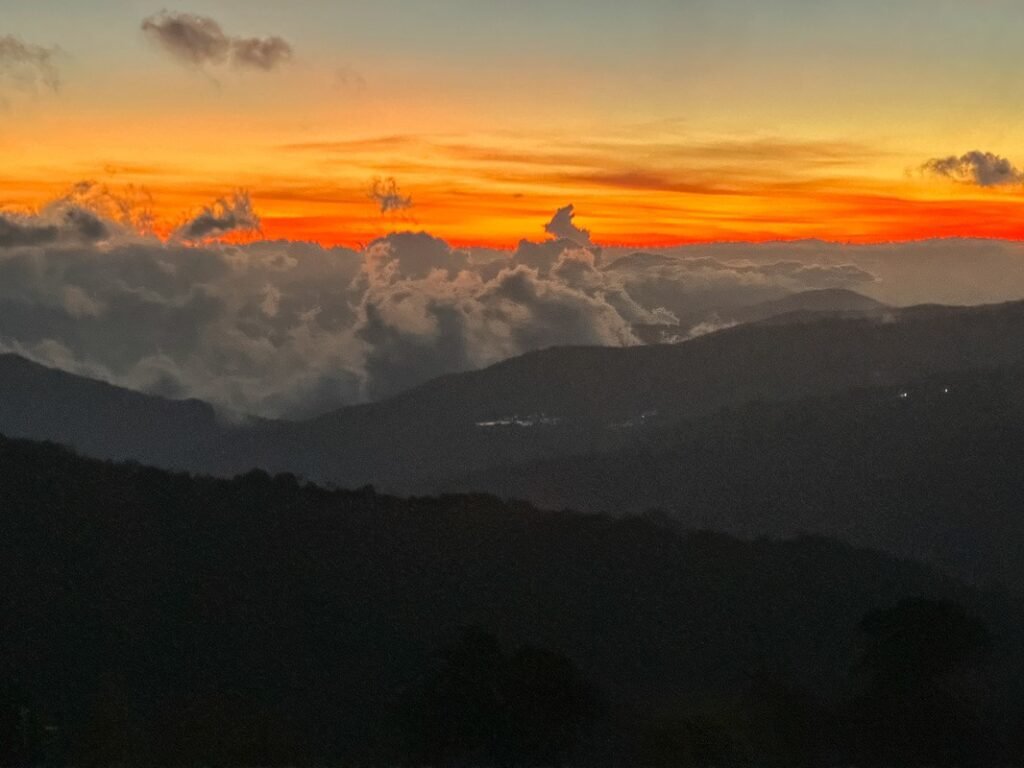
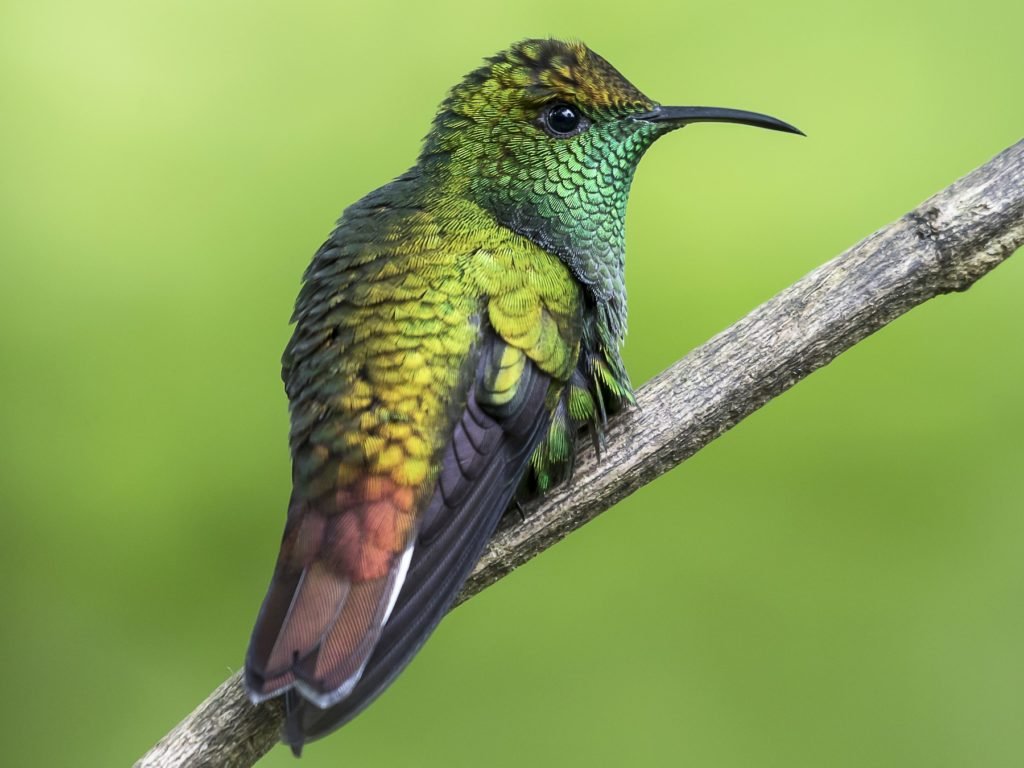
San Gerardo de Dota is the most established base for quetzal-focused photography in Costa Rica. Its highland lodges, private properties and experienced local guides make repeated early sessions practical. The valley also supports high-elevation hummingbirds, forest birds and atmospheric cloud-forest images, so a program remains photographically productive even when a quetzal does not appear on cue.
Accommodation choice matters. Properties such as Savegre Lodge, Paraíso Quetzal Lodge and other Dota-area lodges serve different photographic needs, elevations and access patterns. They should not be treated as interchangeable names on an itinerary.
Los Quetzales National Park and the Talamanca Highlands
SINAC identifies Los Quetzales National Park, in Dota, as important quetzal habitat within the upper Savegre watershed. The protected cloud forest provides essential ecological context, although photography inside a national park follows public access, trail and wildlife-protection rules. Nearby private land can sometimes offer more controlled positioning or longer observation, depending on current conditions.
Monteverde and Other Mountain Forests
Monteverde and other Costa Rican highlands can also produce quetzal encounters. They may be the right choice when the itinerary needs a broader cloud-forest experience or connects naturally with other regions. For a trip whose primary goal is repeated quetzal photography, Physis compares current field information, access and travel flow before choosing between highland bases.
3. Field Strategy and Ethical Practice
A responsible quetzal session begins by reducing pressure on the bird. The goal is not to force a closer image; it is to anticipate natural behavior and be ready when the bird chooses a workable perch.
- Work with current local information. Fruiting trees, recent sightings and access conditions are more useful than relying on a location that was productive months earlier.
- Keep a respectful working distance. A long lens and thoughtful position are preferable to repeatedly advancing toward a feeding or resting bird.
- Protect nests and feeding behavior. Do not crowd a nest cavity, block a flight path or remain when the bird is visibly altering its behavior.
- Avoid flash around quetzals. Natural light, higher ISO and stabilization provide safer, more authentic field conditions.
- Control movement and sound. Quiet repositioning and a small footprint help both the subject and other photographers sharing the observation point.
- Follow property and protected-area rules. Stay on permitted paths and never touch, feed or manipulate wildlife or vegetation for a photograph.
Ethics also improves photography. When the group remains calm and predictable, a quetzal may continue feeding, preening or interacting naturally. Those behaviors usually produce stronger images than a single alarmed portrait.
4. Light, Timing and Gear for Cloud-Forest Conditions
There is no universal date that guarantees quetzals. Activity changes with elevation, weather, fruit availability and the local nesting cycle. Breeding periods can improve the visibility of adult behavior in some areas, but they also require greater care around nest sites. A strong itinerary allows repeated sessions and uses current guidance rather than advertising a guaranteed encounter.
Early sessions are often productive because bird activity is high and local guides can begin with the most recent information. Cloud cover may create soft color, while breaks in the mist can produce sudden contrast. The useful strategy is to prepare for variable light, not to wait for a textbook golden hour that may never reach the forest interior.
| Field need | Practical starting point |
|---|---|
| Working distance | A 300–600mm range is useful; a telephoto zoom adds flexibility when the bird changes perch. |
| Low light | Use the widest practical aperture, raise ISO as needed and protect a shutter speed appropriate for the bird’s movement. |
| Stability | Image stabilization, a monopod or a tripod can help during long waits, provided the support is practical at the location. |
| Exposure | Watch the red breast and bright sky separately; use the histogram and exposure compensation rather than trusting the preview alone. |
| Weather | Carry rain protection for camera and photographer, a lens cloth and a dry storage routine for humid conditions. |
| Quiet operation | Use silent or reduced-noise shooting when it does not introduce banding under artificial light. |
Before traveling, test autofocus behavior against branches and high-contrast backgrounds. In the field, a single small focus area can help when the eye is partially framed by foliage, while a wider tracking area may be better for a bird leaving a perch. The correct choice depends on the camera and the situation.
5. How Physis Builds a Private Quetzal Photography Program
Physis Photo Tours designs private programs around the photographer’s available days, physical pace, preferred subjects and desired level of guidance. A dedicated Resplendent Quetzal photography experience can stay focused on one highland base, or it can become the cloud-forest component of a broader Costa Rica itinerary.
That wider route might connect Dota with Caribbean lowland birds, wetlands, macro sessions or other wildlife goals. The decision should be based on photographic contrast and travel efficiency, not on adding destinations for their own sake. Repeated sessions are often more valuable than changing hotels every day.
Physis organizes accommodations, transfers, local specialists and the daily shooting flow so the photographer can concentrate on the field work. Every program is private and custom-made. Sightings are never guaranteed, but careful timing, responsible access and informed local guidance improve both the experience and the photographic opportunity.
Frequently Asked Questions
Where is the best place to photograph Resplendent Quetzals in Costa Rica?
San Gerardo de Dota and the Savegre Valley are the most established bases for a quetzal-focused photography program. Los Quetzales National Park, Monteverde and other mountain forests can also be productive. The best choice depends on current fruiting activity, access, dates and the rest of the itinerary.
What is the best season for quetzal photography in Costa Rica?
There is no date that guarantees a sighting. Quetzal visibility varies with elevation, fruiting trees, weather and local nesting cycles. Physis uses current field information and repeated sessions rather than relying on a fixed calendar promise.
What lens should I bring for quetzal photography?
A telephoto lens covering roughly 300–600mm is a practical choice for most sessions. A zoom is useful when the bird changes distance. Fast autofocus, image stabilization, rain protection, spare batteries and enough memory are also important in cool, humid cloud-forest conditions.
Should photographers use flash on quetzals?
Physis recommends working with natural light and avoiding flash around quetzals. Higher ISO, stabilization and careful shutter-speed choices are preferable, particularly around feeding areas and nest sites.
Are quetzal sightings guaranteed?
No ethical wildlife operator can guarantee a wild quetzal encounter. Local expertise, current sighting information, suitable habitat and repeated sessions can improve the opportunity, but the bird determines the outcome.
Can a non-photographer join a private quetzal trip?
Yes. A private itinerary can balance focused early photography sessions with cloud-forest walks, comfortable lodges, scenic highland travel and free time. Companion interests and physical pace should be discussed during planning.