Planning a Costa Rica photography tour starts with subjects, regions and realistic travel time—not with a generic list of attractions. Choose two or three complementary ecosystems, allow repeated sessions in the best locations, and keep enough flexibility for rain, wildlife activity and the needs of non-photographer companions.
1. Define the Photographs You Want to Make
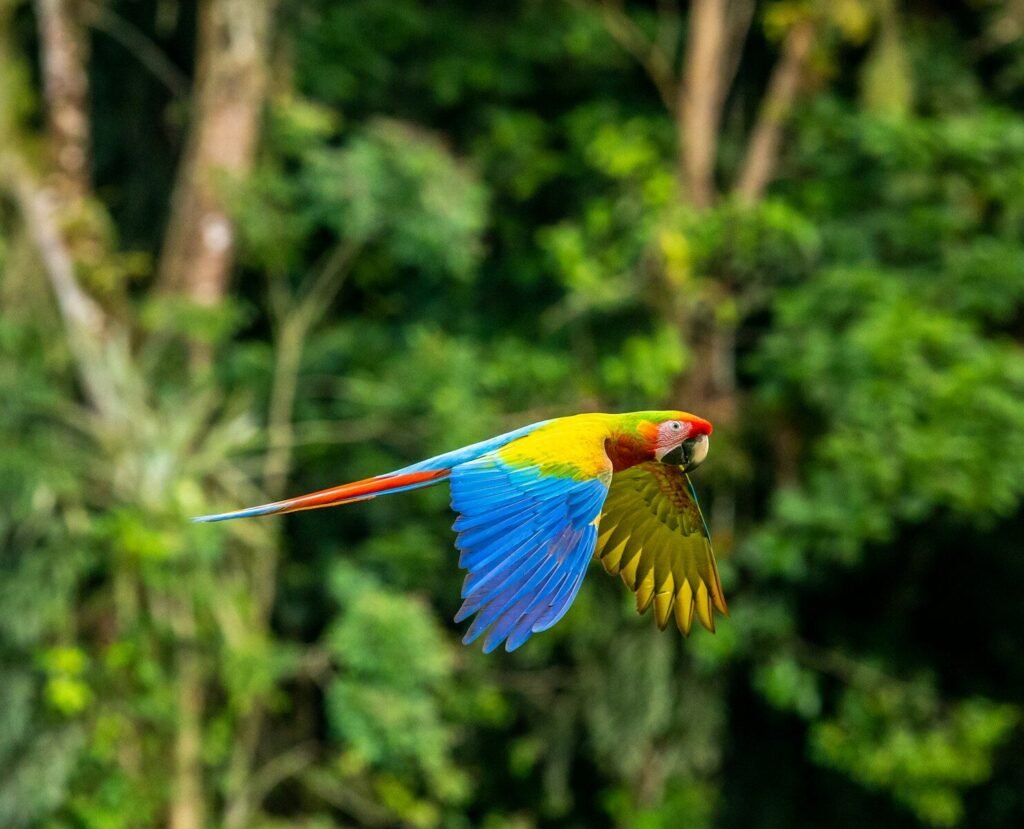
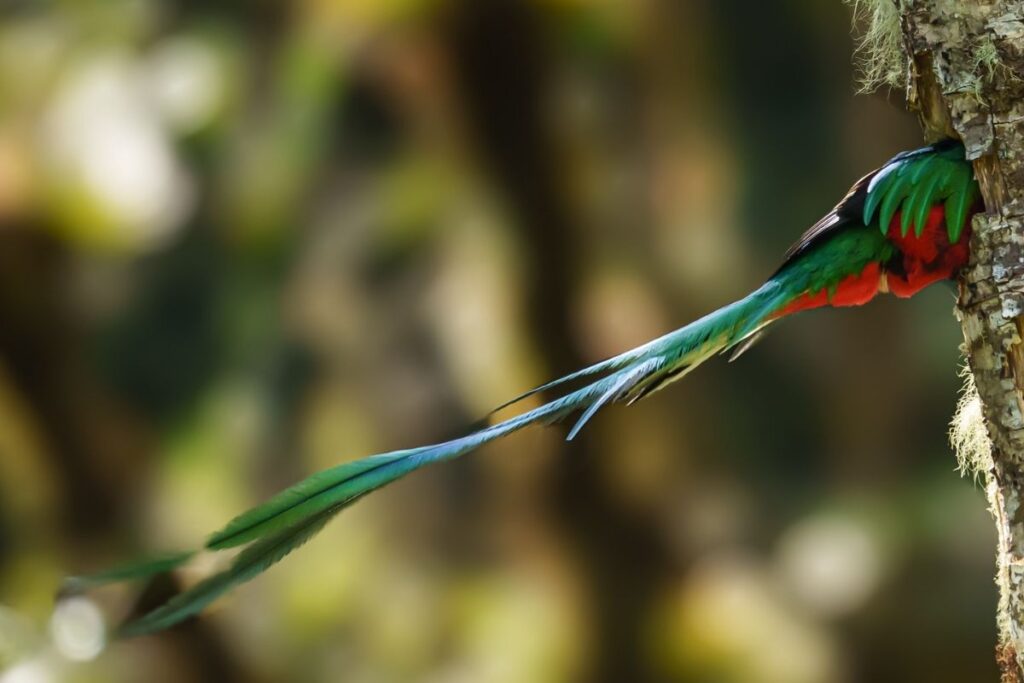
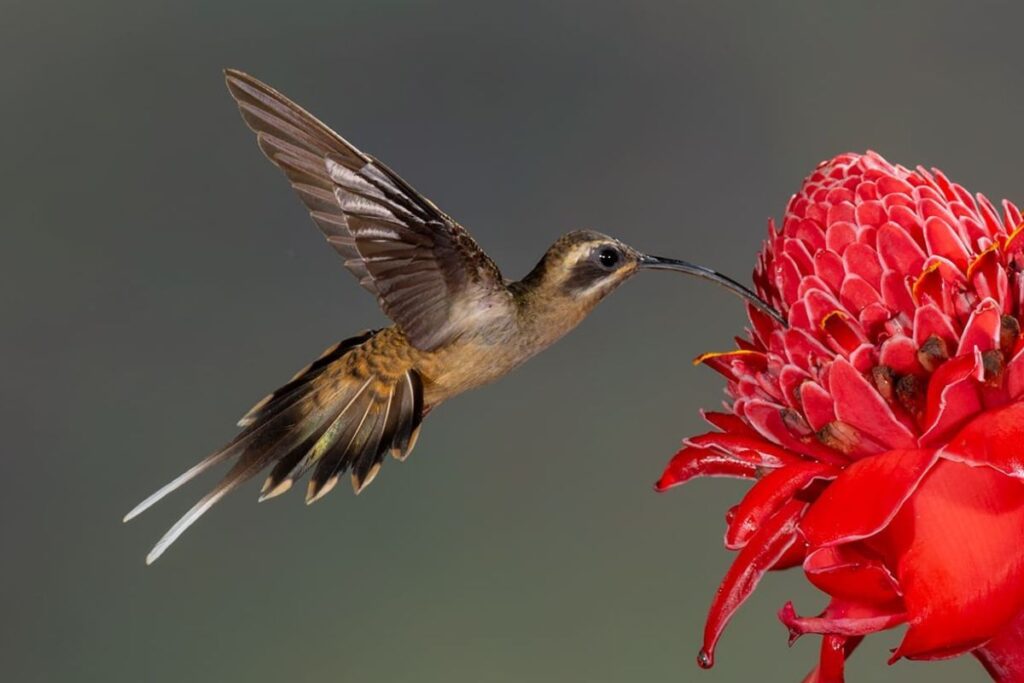
Begin with a short priority list: birds in flight, rainforest mammals, frogs and reptiles, cloud-forest species, landscapes or a balanced portfolio. Then identify the habitats that support those subjects. A species list alone is not enough; light direction, working distance, access, background and the possibility of returning for a second session determine whether a destination is photographically useful.
| Priority | Useful region | Planning implication |
|---|---|---|
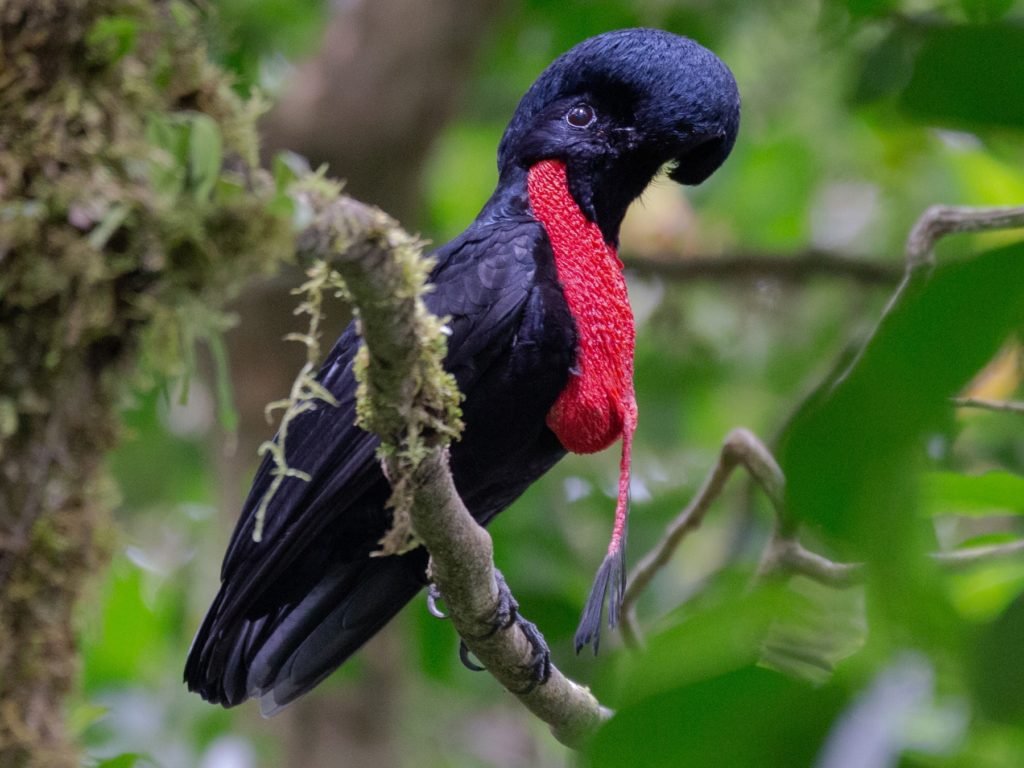
| Highland birds | San Gerardo de Dota | Cool mornings, cloud-forest light and repeated early sessions |
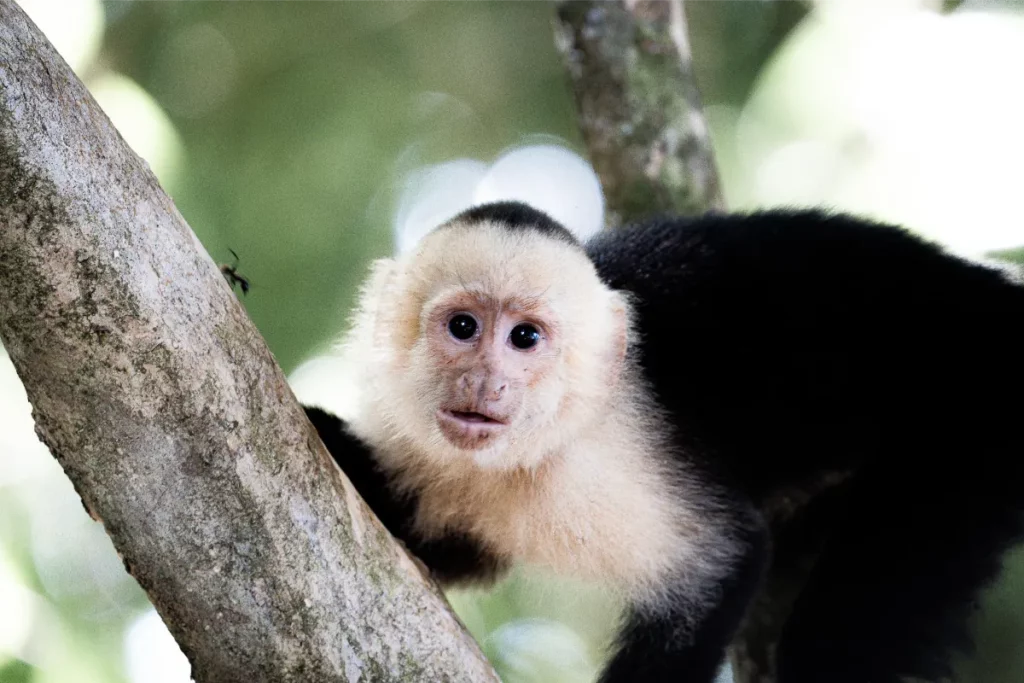
| Lowland birds and wildlife | Boca Tapada or Sarapiquí | Humidity, rain protection and multi-night stays |
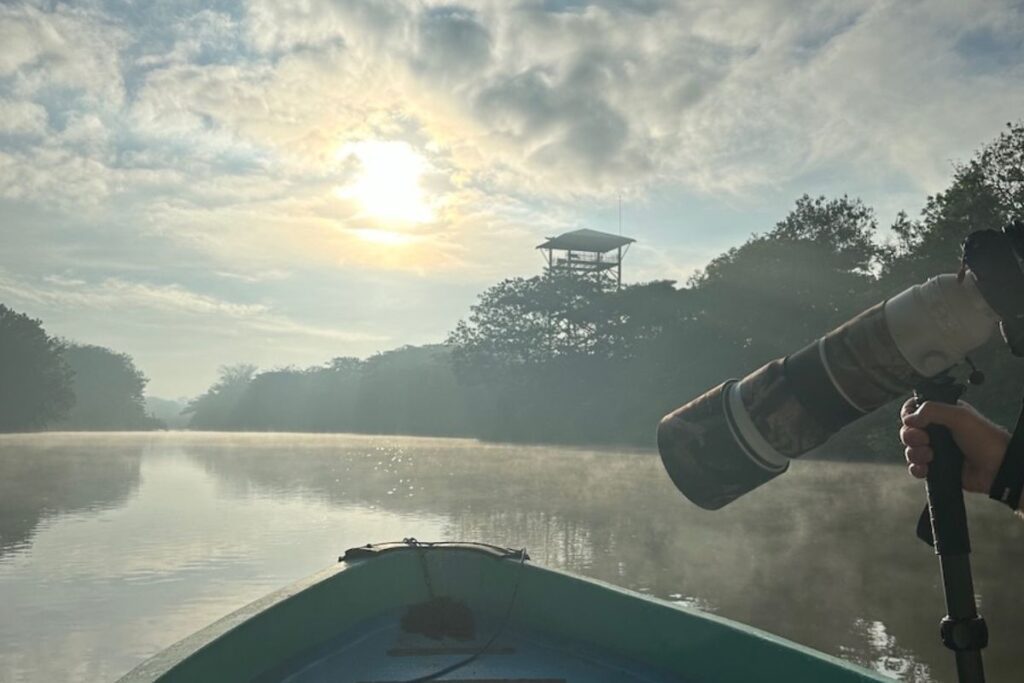
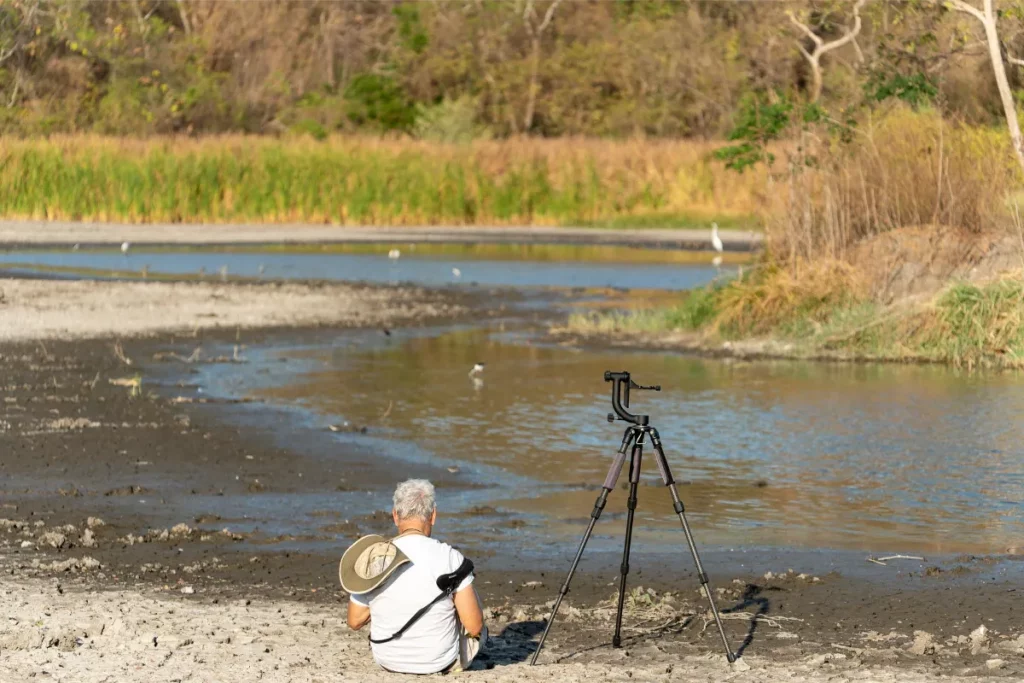
| Wetlands | Caño Negro | Boat position, water level and morning light matter |
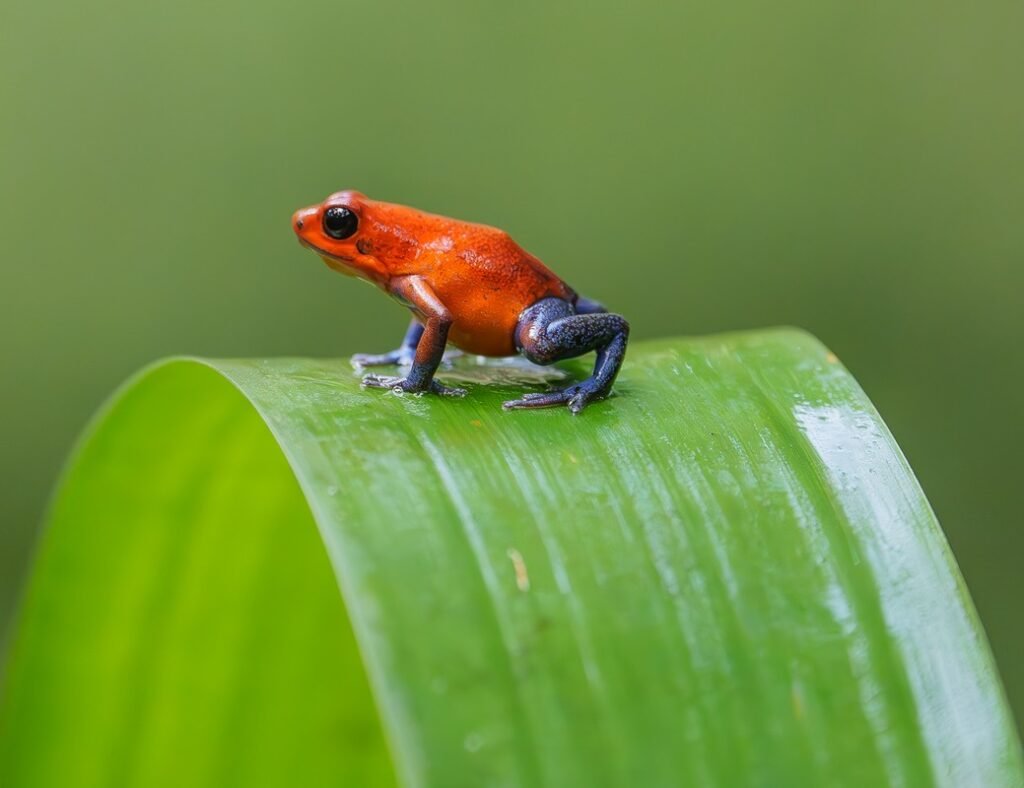
| Macro and herping | Caribbean-slope rainforest | Night sessions, safe footwear and local guidance |
2. Choose Dates by Region, Not by a National Rule
The official Visit Costa Rica climate guide explains that the Pacific and Caribbean slopes follow different rainfall patterns. December through March is generally drier on the Pacific side, while the Caribbean does not have an equally defined dry season. Green-season travel can bring lush backgrounds and productive macro conditions, provided the route and daily schedule remain flexible.
Before booking flights, compare your dates with the best regional conditions for wildlife photography. No month guarantees a subject, but good routing reduces avoidable compromises.
3. Build a Route That Preserves Field Time
- Use two regions for a trip of about one week and three or four for a longer itinerary.
- Stay at least two nights in important locations so one poor session does not define the visit.
- Schedule long transfers after a productive morning session when possible.
- Choose lodges for habitat and access, not only room category.
- Keep one flexible period for weather or a current wildlife opportunity.
A private vehicle and local guide can make that flexibility practical. Self-driving may suit independent travelers, but it transfers navigation, timing and wildlife-location decisions to the photographer; compare those tradeoffs in our self-drive photography guide.
4. Prepare Gear for Humidity and Mobility
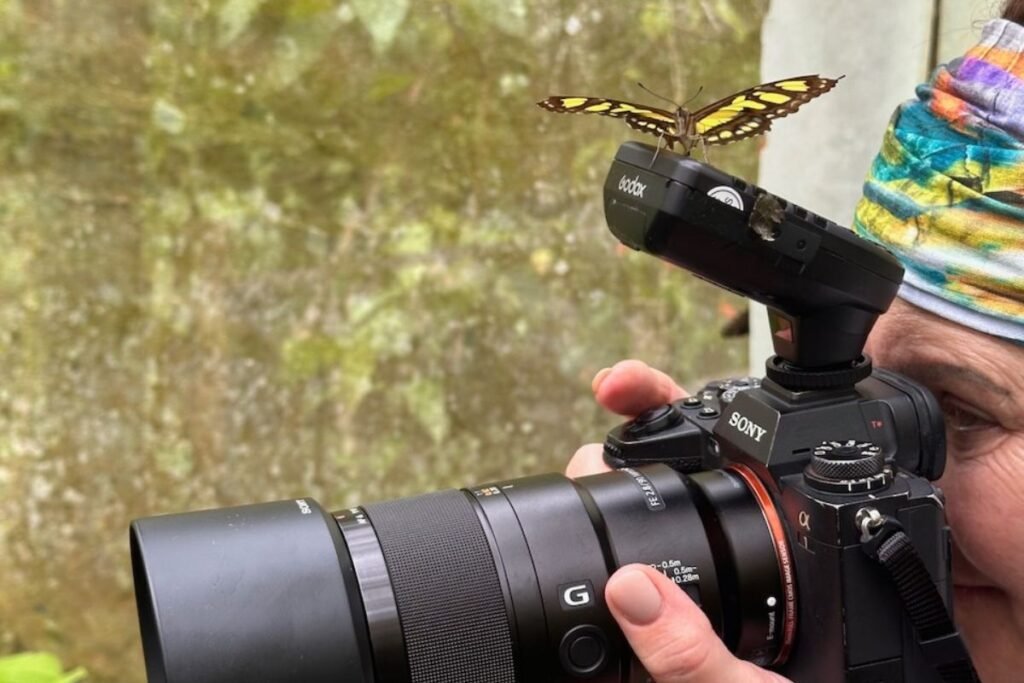
Bring a primary camera, a backup plan, enough batteries and cards, weather protection, a blower and a dry storage system. Select lenses around subjects rather than packing every option. A telephoto zoom is versatile for birds and mammals; a macro lens supports small rainforest subjects; a standard or wide zoom adds habitat and travel images. Our Costa Rica camera gear checklist provides a more detailed decision framework.
5. Share the Information Needed to Design the Trip
When requesting an itinerary, include travel dates, trip length, target subjects, photography experience, mobility, preferred comfort level and the interests of companions. Physis uses those details to compose a private program with realistic drive times, suitable lodges and enough field time. Wildlife sightings and photographs cannot be guaranteed, but access, timing and flexibility can be planned deliberately.
Frequently Asked Questions
How many days do I need for a Costa Rica photography tour?
Seven to ten days can cover two or three complementary regions at a useful pace. Longer trips allow more habitats and repeated sessions without changing hotels every day.
Should I rent a car or use a private driver?
A rental car offers independence, while a private driver-guide reduces navigation and timing work and makes route changes easier. The best choice depends on budget, confidence and photographic priorities.
Can non-photographers join the trip?
Yes. A private itinerary can balance intensive sessions with walks, wellness, scenery, cultural activities and free time for companions.
How far in advance should I plan?
Planning early improves lodge and guide availability, especially for popular dry-season dates. Flexible dates can also be matched to regional conditions and current wildlife information.