

The essential camera gear for Costa Rica is a weather-protected camera, a versatile telephoto zoom, enough batteries and cards, rain protection and a reliable backup system. Add a macro lens for frogs and insects or a wide zoom for landscapes, but keep the kit light enough to use comfortably on humid trails and during transfers.
1. Build the Kit Around Your Subjects
| Subject | Useful lens | Why |
|---|---|---|
| Birds and mammals | 100–400, 200–600 or similar telephoto zoom | Flexible framing and working distance |
| Frogs, reptiles and insects | 90–105 mm macro | Close focus with practical working distance |
| Habitat and landscapes | 16–35 or 24–70 mm | Environmental context and travel images |
| General travel | 24–105 mm | Reduces lens changes in rain and humidity |
2. Choose a Camera Body for Field Conditions
Reliable autofocus, usable high ISO, comfortable controls and weather resistance matter more than owning the newest model. Dense forest frequently requires high ISO and fast reaction. A second body is valuable on a dedicated trip, both as backup and as a way to keep telephoto and macro or wide lenses ready without changing lenses in rain.
3. Protect Equipment From Rain and Humidity
- Use fitted rain covers and a bag with a separate waterproof layer.
- Carry a blower, clean microfiber cloths and lens tissue.
- Store equipment dry between sessions; avoid opening a cold bag immediately in humid air.
- Keep silica gel in sealed storage and replace or regenerate it as needed.
- Bring a small towel for hands and exterior moisture, not for optical surfaces.
4. Power, Storage and Support
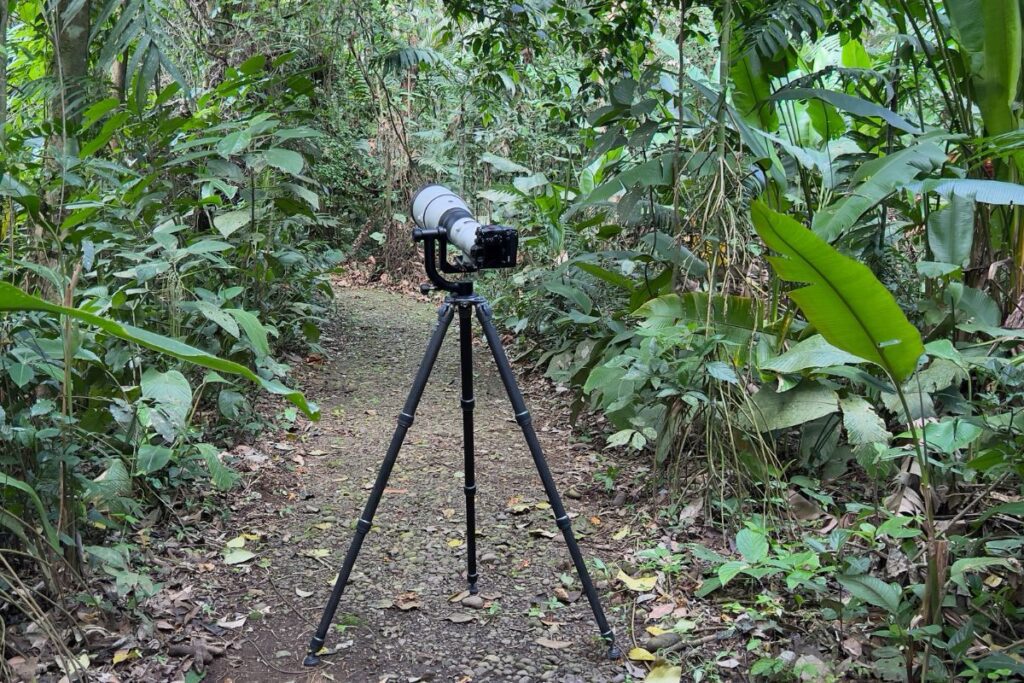
Carry enough charged batteries for a long field day and verify airline rules for spare lithium batteries before departure. Use multiple memory cards and make at least two copies of important files. A monopod can support long lenses on trails; a tripod is more useful for landscapes, controlled macro and low-light work. Pack the support you will actually carry.
5. Use a Lean Packing Checklist
A practical two-body wildlife kit might pair a telephoto zoom with a 24–105 mm or macro lens, plus rain covers, batteries, cards, cleaning tools and portable backup storage. Physis can review a client’s kit against the planned habitats and transport so unnecessary weight stays home.
Frequently Asked Questions
What is the best lens for Costa Rica wildlife?
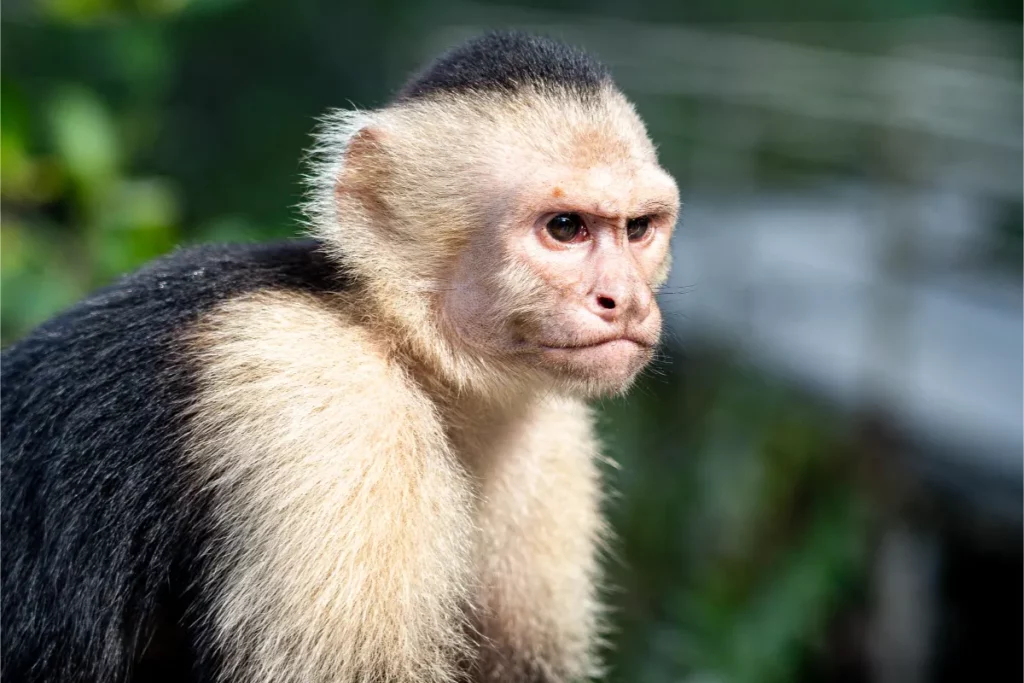
A telephoto zoom in the 100–400 mm or 200–600 mm class is the most flexible option for birds and mammals. The best choice depends on camera format, weight and target subjects.
Do I need a macro lens?
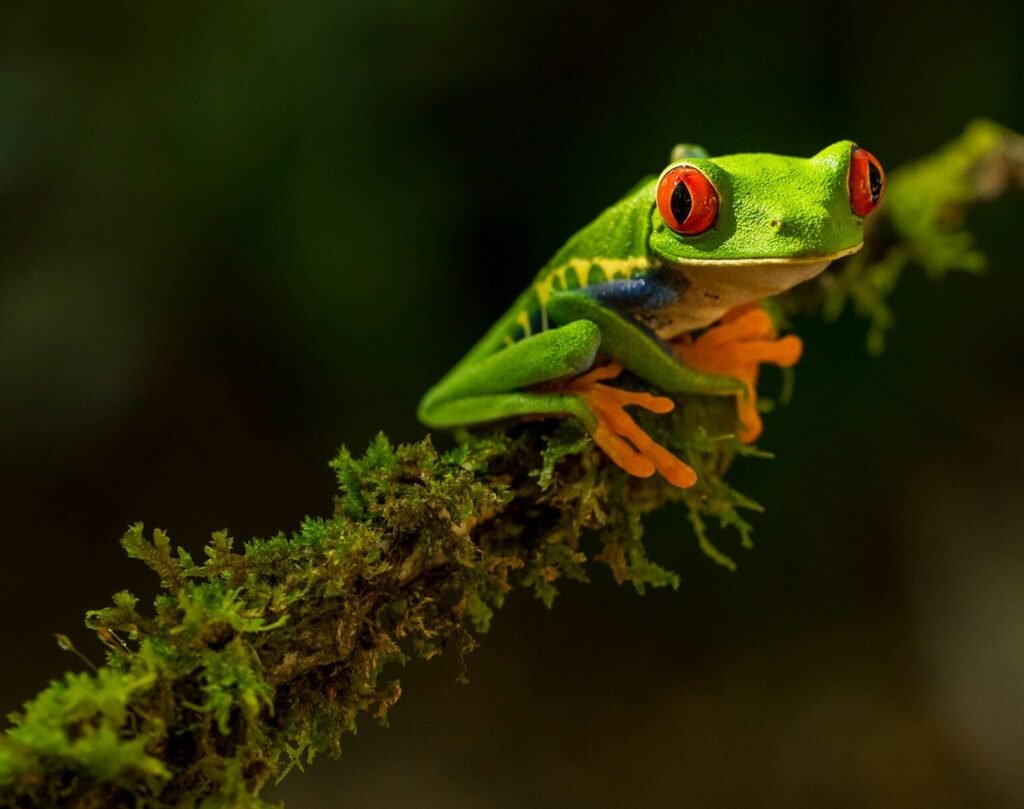
Bring one if frogs, reptiles, insects or flowers are priorities. A 90–105 mm macro provides a useful balance between size and working distance.
Should I bring a tripod?
Bring a tripod for landscapes, controlled macro or planned low-light work. A monopod may be more practical for long lenses on narrow forest trails.
How do I protect camera gear from humidity?
Use rain covers, sealed dry storage, silica gel and careful temperature transitions. Keep exterior moisture away from the bag interior and back up files regularly.