Costa Rica is a small country — you can drive across it in a day. But its two coasts do not behave like parts of the same country. The Pacific and the Caribbean sit under different weather systems, hold different wildlife, and photograph in different light. Understanding that difference, not just picking a coast at random, is where a strong Costa Rica photography itinerary actually starts.
This is not a guidebook summary. It comes from years of moving between both sides of the country, planning around what each one actually offers a photographer in the field.
The Short Answer
The Pacific coast is drier, more seasonal, and known for dramatic sunsets, tropical dry forest, and easier access to lodges and infrastructure. The Caribbean coast is wetter and greener nearly year-round, with dense rainforest, canals, and a slower, more humid rhythm — including some of the country’s most significant wildlife corridors. Neither coast is objectively better for photography. They serve different subjects, different light, and different paces.
Why Costa Rica Has Two Different Coasts
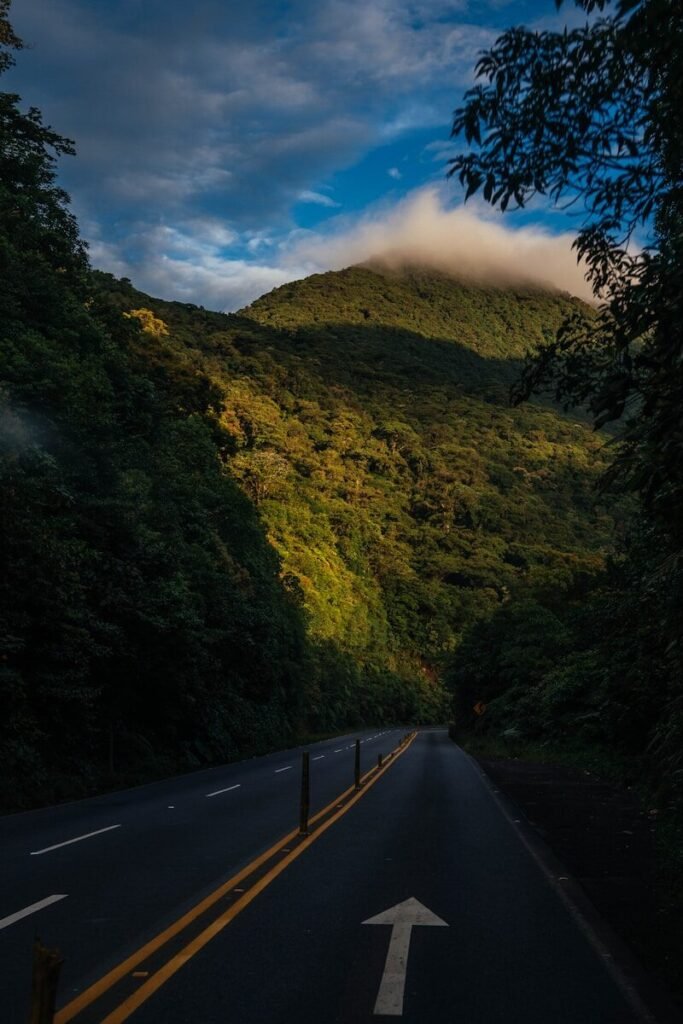
A mountainous spine runs down the center of the country, and it acts as a weather divider. Moisture-heavy trade winds from the Caribbean Sea hit those mountains and drop rain on the Caribbean slope for much of the year. The Pacific side sits in the rain shadow, which gives it a more defined dry season. This single geographic fact explains most of what separates the two coasts photographically — vegetation density, light quality, and even which species you are likely to encounter.
The Pacific Side: Drama, Contrast, and a Defined Dry Season
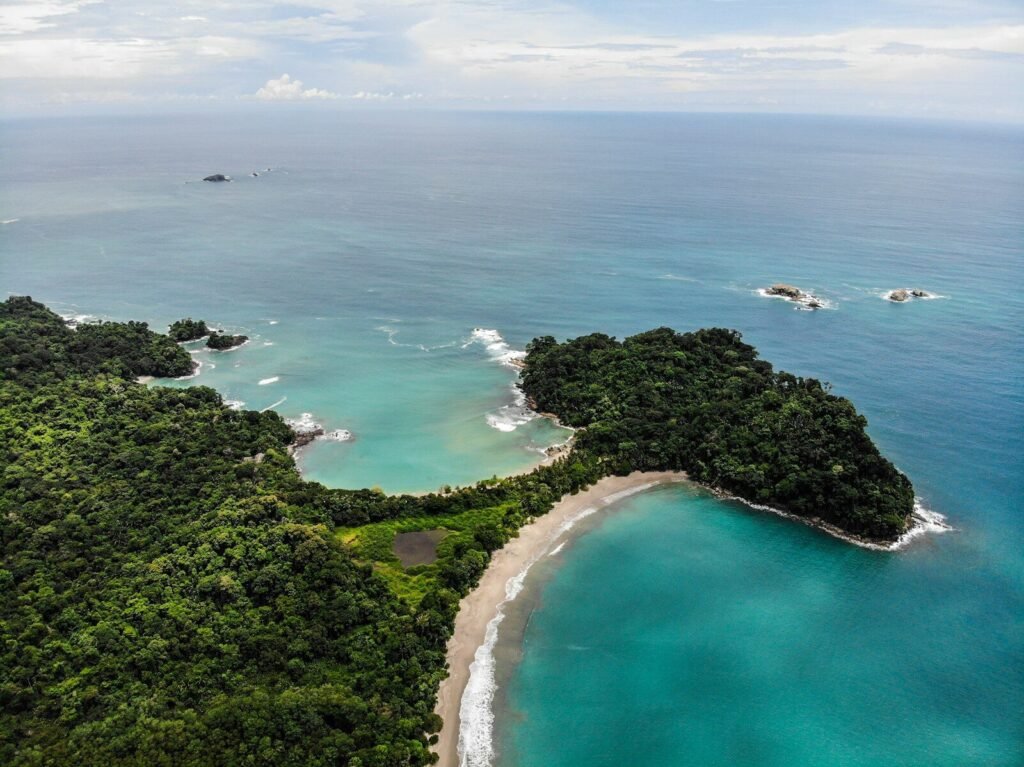
The Pacific coast runs from the drier tropical forests of Guanacaste in the north down through the biologically dense Osa Peninsula in the south — two very different environments sharing one coastline. In general, the Pacific offers:
- A more predictable dry season, roughly December through April, with long stretches of clear skies useful for landscape and golden-hour work.
- High-contrast light. Drier air and more open canopy in parts of the Pacific slope produce sharper shadows and more dramatic sunsets over open water.
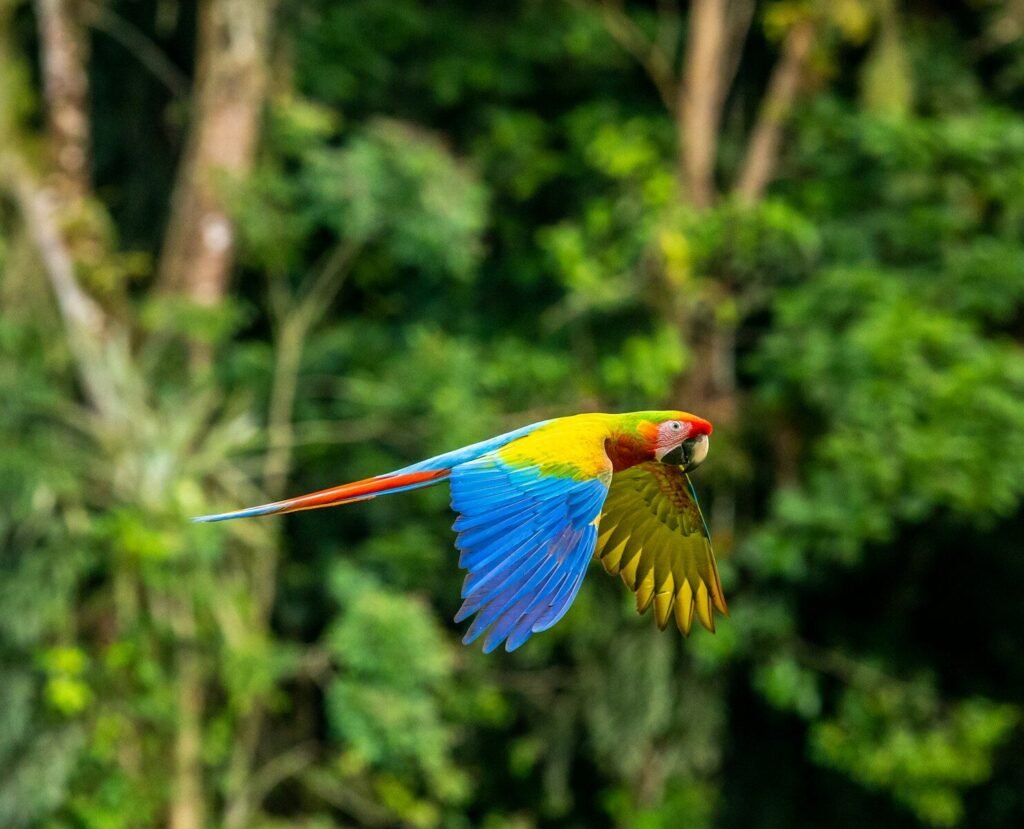
- Tropical dry forest ecosystems in the north, transitioning to some of the richest rainforest in Central America in the south, around the Osa Peninsula.
- Easier logistics in general — more developed road infrastructure across much of the Pacific slope shortens travel time between locations in several regions.
The Caribbean Side: Green, Humid, and Alive Year-Round
The Caribbean coast is a different photographic world. It stays lush nearly every month of the year, fed by consistent rainfall, and its rhythm is slower — dictated by canals, rivers, and dense forest rather than roads. Explore what this looks like on the ground in Tortuguero National Park, one of the defining Caribbean photography destinations, reachable only by boat or small aircraft. In general, the Caribbean offers:
- Consistent, diffused light from near-constant cloud cover and humidity — softer, more even, less dramatic than the Pacific, but excellent for detail work in the forest understory.
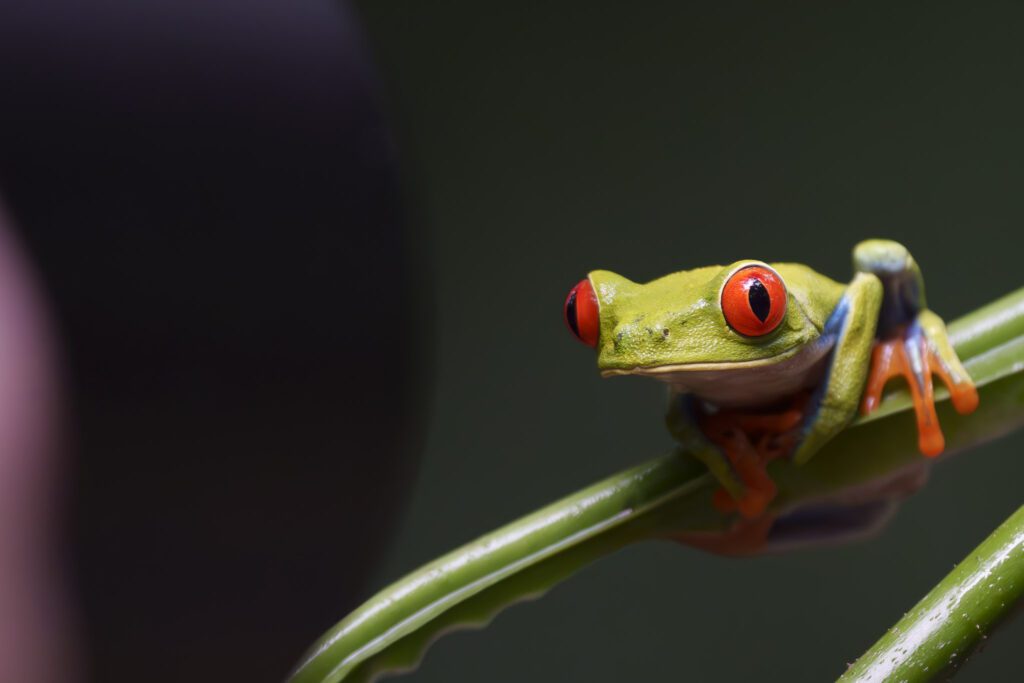
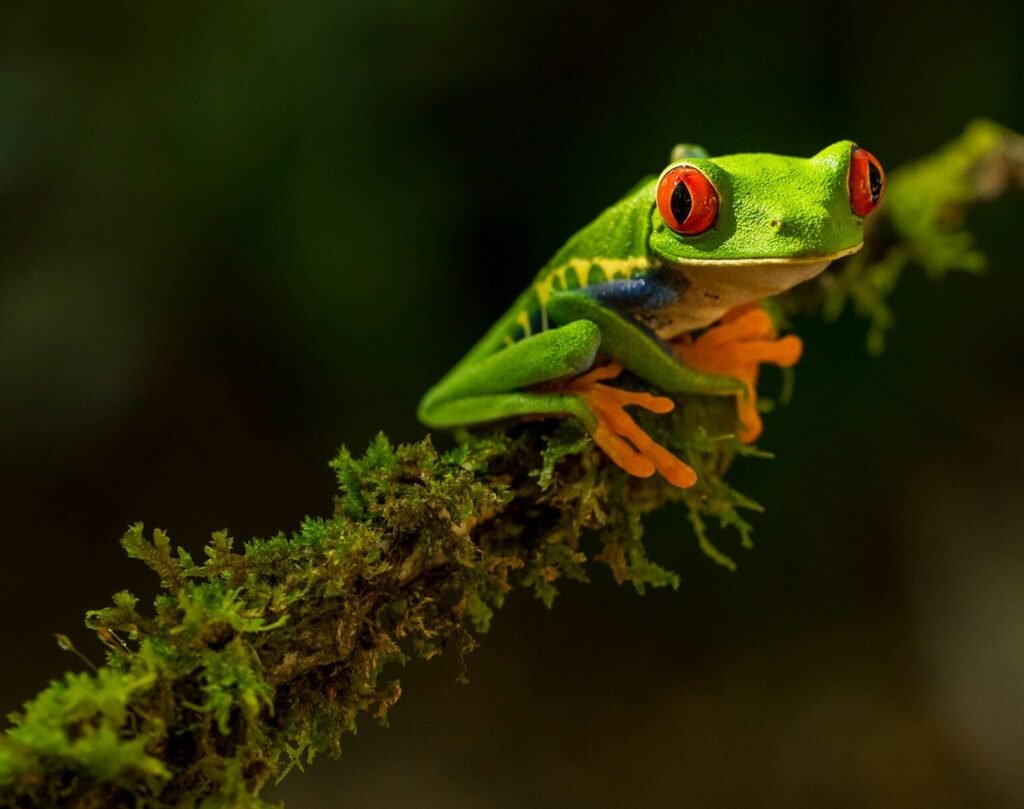
- Denser, wetter rainforest with a different wildlife profile than the Pacific — species that favor humid lowland forest and waterways.
- Water-based logistics in key areas like Tortuguero, where boats replace roads and the pace of a day slows accordingly.
- No sharply defined dry season — rain is possible in most months, which shapes both wardrobe and equipment protection strategy.
Light and Weather: The Real Difference Behind the Camera
Photographers often ask about wildlife first and light second, but light is where the two coasts diverge most sharply. The Pacific’s drier air produces clearer atmosphere and more contrast — strong for wide landscapes and dramatic skies. The Caribbean’s humidity produces a softer, more even light that favors close, detailed work in dense vegetation, where harsh shadows would only compete with the subject. Neither is a compromise; they are different tools for different images.
Which Coast Fits Your Photography
A useful way to decide is to work backward from your subject and your tolerance for humidity and rain:
- If your priority is landscape and golden-hour work with more predictable weather, the Pacific’s dry season gives you more control.
- If your priority is dense rainforest wildlife and a genuinely different pace, including boat-based access, the Caribbean rewards patience with subjects you will not find on the Pacific side.
- If you want both, Costa Rica’s size makes it possible in a single private itinerary — the trade-off is travel time, and that trade-off should be planned deliberately, not discovered mid-trip.
How a Private Itinerary Handles Both Coasts
This is where local planning matters most. Combining both coasts in one trip is entirely possible, but it means respecting travel time between very different terrains — mountain roads on one side, boat transfers on the other. An itinerary that tries to do too much in too few days sacrifices field time to windshield time. A private program built around your subjects and your available days — rather than a fixed regional package — is what makes combining coasts work without burning your trip on transit. See how our wildlife photography tours and bird photography tours are built around exactly this kind of regional logic.
Start With Your Subjects, Not the Map
The right coast — or combination of coasts — depends on what you want to photograph and how you want to work. A conversation about your goals is a faster way to the right itinerary than researching regions in isolation. Explore private Costa Rica photography tours and tell us what you’re after.
Frequently Asked Questions
Which coast is better for photography, the Pacific or the Caribbean?
Neither is objectively better — they serve different photography goals. The Pacific offers a more predictable dry season and dramatic, high-contrast light, well suited to landscapes and golden hour. The Caribbean stays lush and green nearly year-round, with softer light better suited to dense rainforest and wildlife detail work.
Can I visit both coasts in one Costa Rica photography trip?
Yes, and many strong itineraries do exactly that. The key is planning realistic travel time between the two — mountain roads on one side, boat access in parts of the Caribbean — so field time isn’t lost to transit. A private itinerary designed around your subjects can combine both coasts without wasting days on the road.
What is the best time of year to photograph the Pacific coast?
The Pacific has a more defined dry season, roughly December through April, which generally brings more consistent weather and clearer light. Conditions vary by year and by specific region along the coast, so exact timing should be planned around your particular subjects and destination.
Why is the Caribbean coast greener than the Pacific?
A mountain range running through the center of Costa Rica blocks much of the moisture coming off the Caribbean Sea, so that side receives consistent rainfall for most of the year. The Pacific coast sits in the resulting rain shadow, which gives it a drier, more seasonal climate.
Is the Caribbean coast harder to photograph than the Pacific?
It is different, not harder. Access in areas like Tortuguero relies on boats rather than roads, and consistent humidity means planning for gear protection and softer light. Photographers who prepare for those conditions often find the Caribbean’s density and quieter pace highly rewarding.