
Last updated: November 2026
Wildlife photography in Costa Rica works best when you plan by habitat, not by checklist. Combine two or three complementary regions (cloud forest, Caribbean lowland rainforest, wetland or Pacific forest), protect the first and last hours of light, add selected night sessions, and pack a telephoto zoom plus a macro setup. No wild subject can be guaranteed, but a well-designed route gives you repeated, realistic chances.
Quick facts
- Main habitats: highland cloud forest, Caribbean lowland rainforest, freshwater wetlands and Pacific lowland forest.
- Best light: roughly the first two to three hours after sunrise and the last two before sunset; midday is often for travel, rest or shaded forest work.
- Core lens: a 100–400 mm or 150–600 mm class zoom for birds and mammals; a 100 mm macro with flash for frogs, reptiles and insects.
- Seasons: the dry season (roughly December to April on most of the Pacific slope) and the green season (roughly May to November) both work, for different subjects.
- Trip length: seven to ten days covers two or three habitats at a useful pace.
- Format: Physis designs private, custom-made programs only. Private programs start from US$4,000.
What wildlife can you photograph in Costa Rica?
Birds, mammals, reptiles, amphibians and insects are all realistic subjects, but each needs a different habitat, lens and time of day. Rank the subjects that matter most for your portfolio first, then match each one to a region.
| Subject group | Typical examples | Where to look | Lens and approach |
|---|---|---|---|
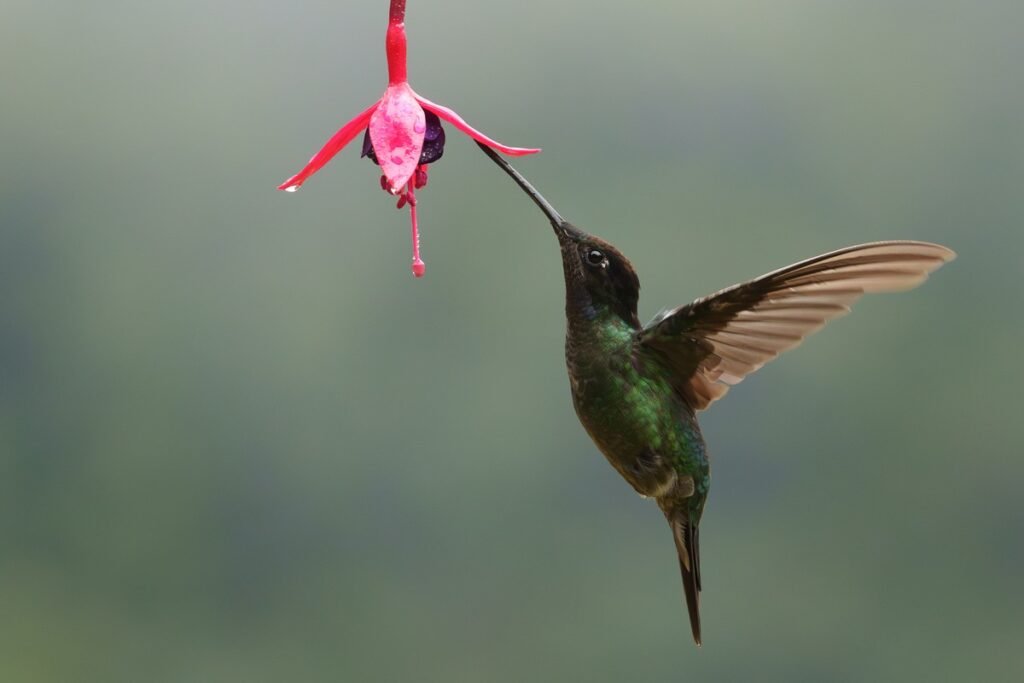
| Highland birds | Resplendent quetzal, hummingbirds, tanagers | Cloud forest such as San Gerardo de Dota | Telephoto zoom; high ISO in mist and shade |
| Lowland birds | Toucans, aracaris, great green macaw, manakins | Caribbean lowlands (Sarapiquí, Boca Tapada) | Telephoto zoom; patience at fruiting trees |
| Waterbirds and reptiles | Herons, kingfishers, caimans, crocodiles | Wetlands such as Caño Negro; Tárcoles River | Telephoto from a boat; fast shutter on a moving platform |
| Mammals | Sloths, howler, capuchin and spider monkeys, coatis | Lowland rainforest and forest edges | 70–200 mm to 100–400 mm; slow, quiet approach |
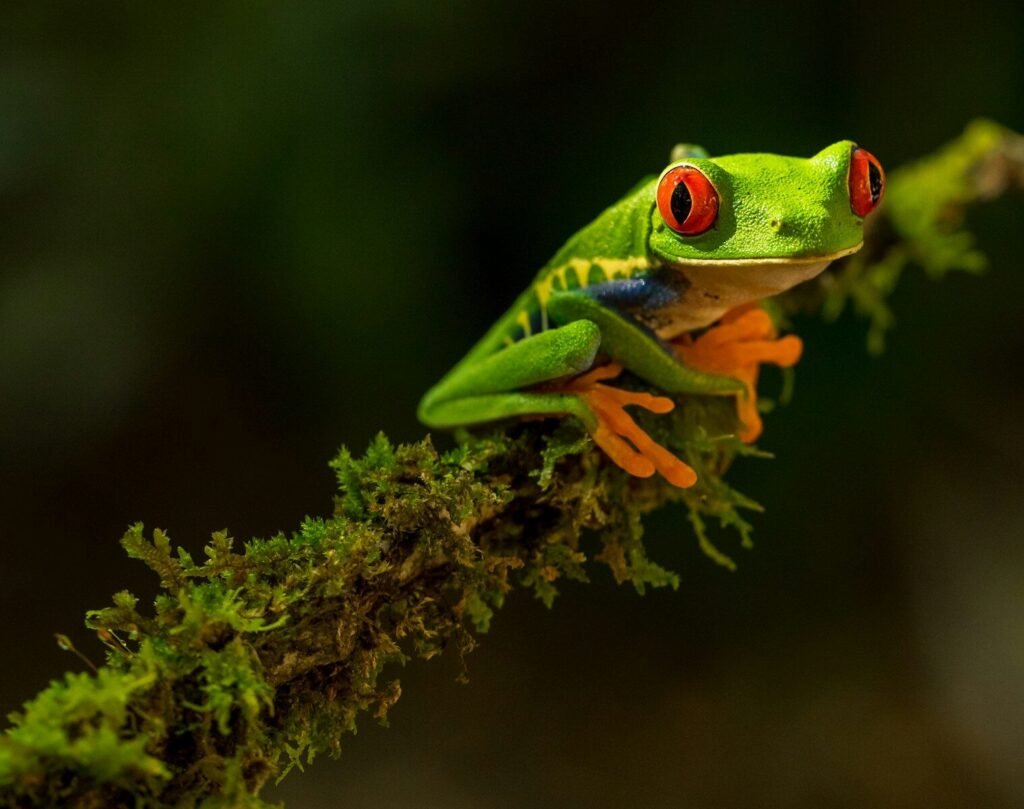
| Amphibians and reptiles | Red-eyed tree frog, poison dart frogs, eyelash viper | Humid lowland and mid-elevation forest, often at night | Macro lens with diffused flash; guided night walk |
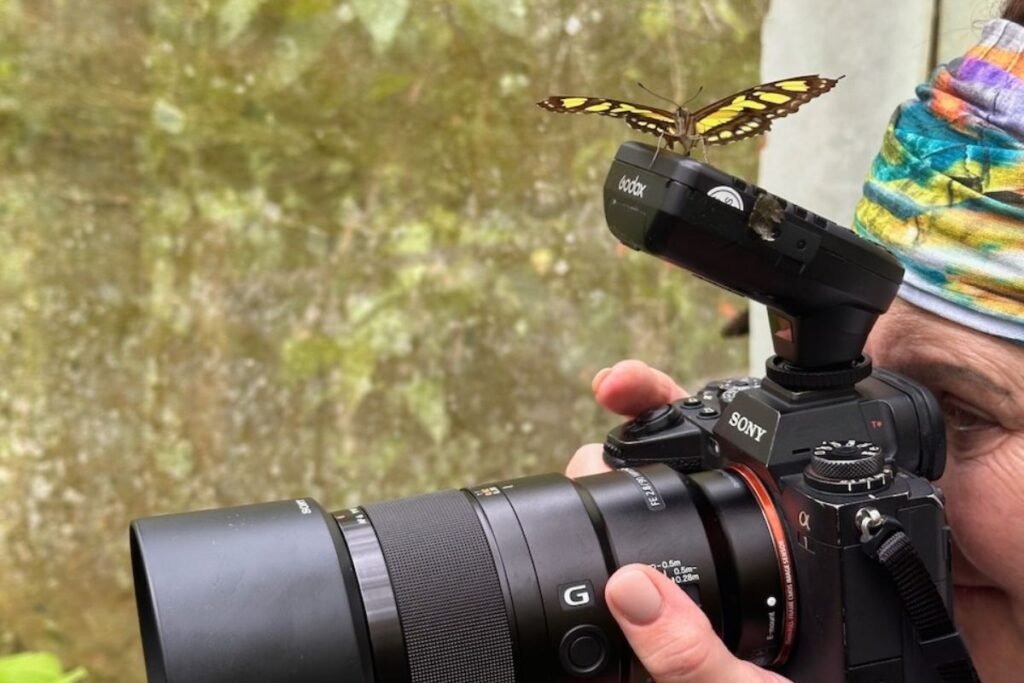
| Insects | Butterflies, katydids, spiders | Forest trails and gardens | Macro lens; early morning before insects warm up |
For a private trip built around these subjects, see our Costa Rica wildlife photography tours.
Where should a wildlife photographer go in Costa Rica?
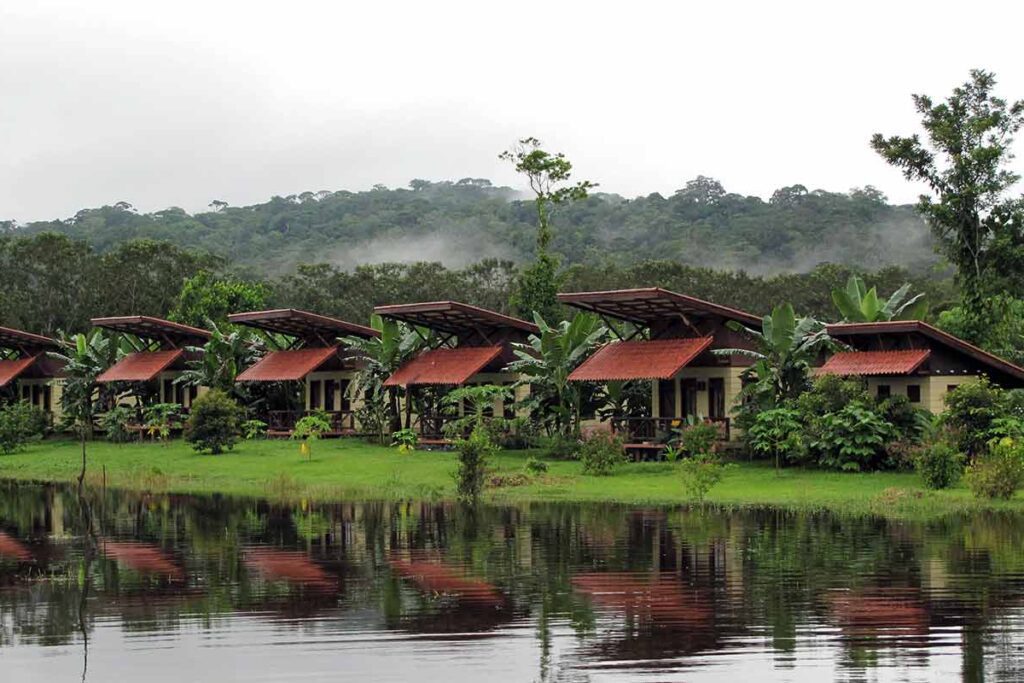
Choose regions that complement each other rather than repeat the same habitat. A cloud forest base adds highland birds; a Caribbean lowland base adds toucans, frogs and mammals; a wetland adds waterbirds and reptiles from a boat. Our guide to Costa Rica photography destinations compares the core regions, and the Caño Negro Wildlife Refuge page covers the main wetland option.
| Habitat | Typical opportunities | Field challenge |
|---|---|---|
| Cloud forest | Highland birds and atmospheric forest images | Mist, low light and cool mornings |
| Caribbean lowland rainforest | Birds, frogs, reptiles and mammals | Humidity, rain and dense vegetation |
| Wetland | Waterbirds, reptiles and boat-level perspectives | Water levels and a moving platform |
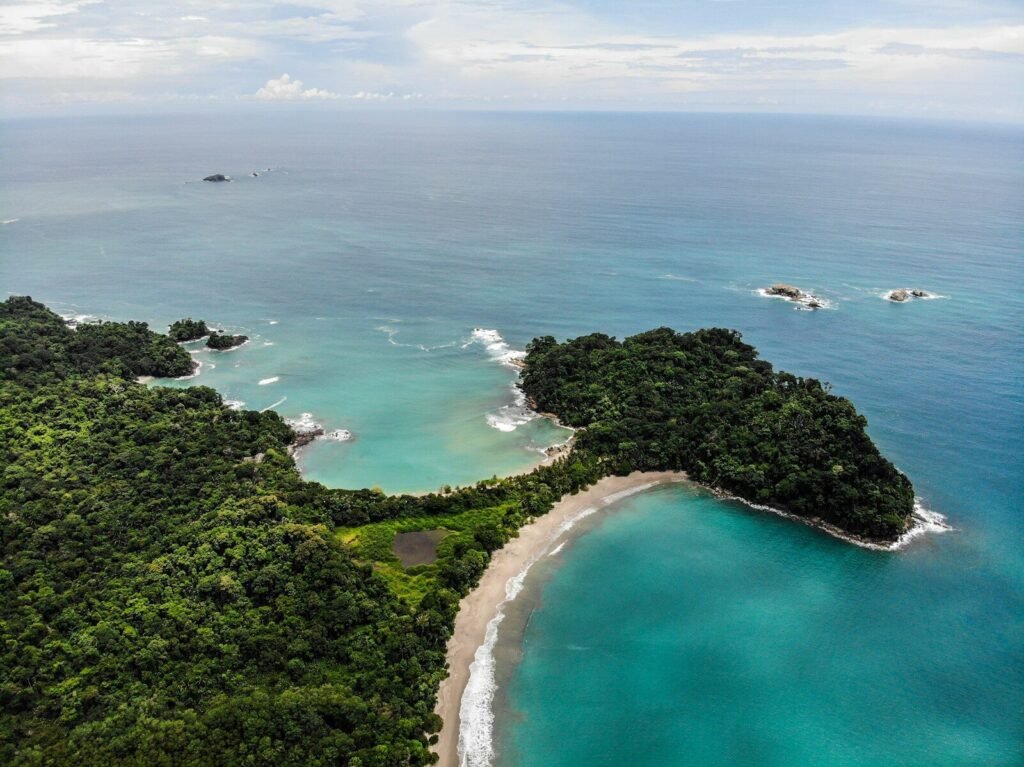
| Pacific lowland forest | Mammals, macaws and broader wildlife | Long transfers and seasonal heat |
When is the best time for wildlife photography in Costa Rica?
There is no single best month: the right season depends on your subjects. The dry months tend to suit wetlands and the Pacific slope, while the green season brings lush backgrounds and more active frogs and insects. Use our month-by-month guide to the best time for wildlife photography to match dates to targets.
What camera gear works best for Costa Rica wildlife?
A versatile telephoto zoom does most of the work; add a macro kit for small subjects and a standard zoom for habitat images.
- Telephoto zoom (100–400 mm or 150–600 mm class) for birds and mammals in variable light.
- Macro lens and diffused flash for frogs, reptiles and insects, especially on night walks.
- Standard or wide zoom for forest, rivers and environmental portraits.
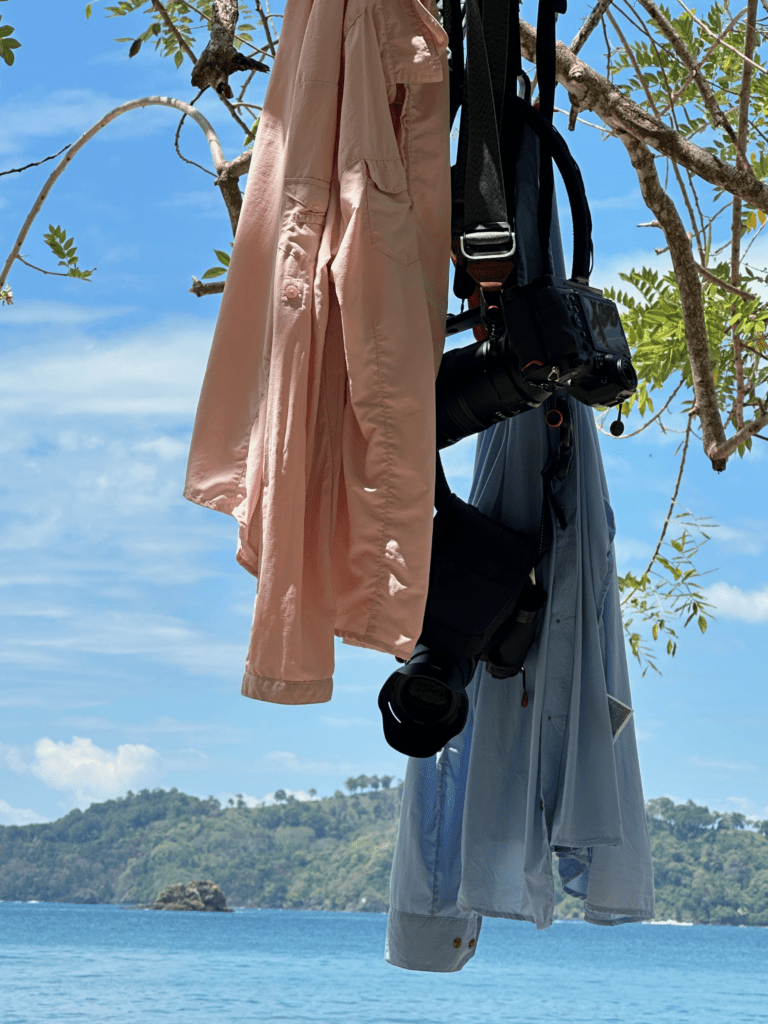
- Rain protection: rain covers, dry bags, microfiber cloths and silica gel.
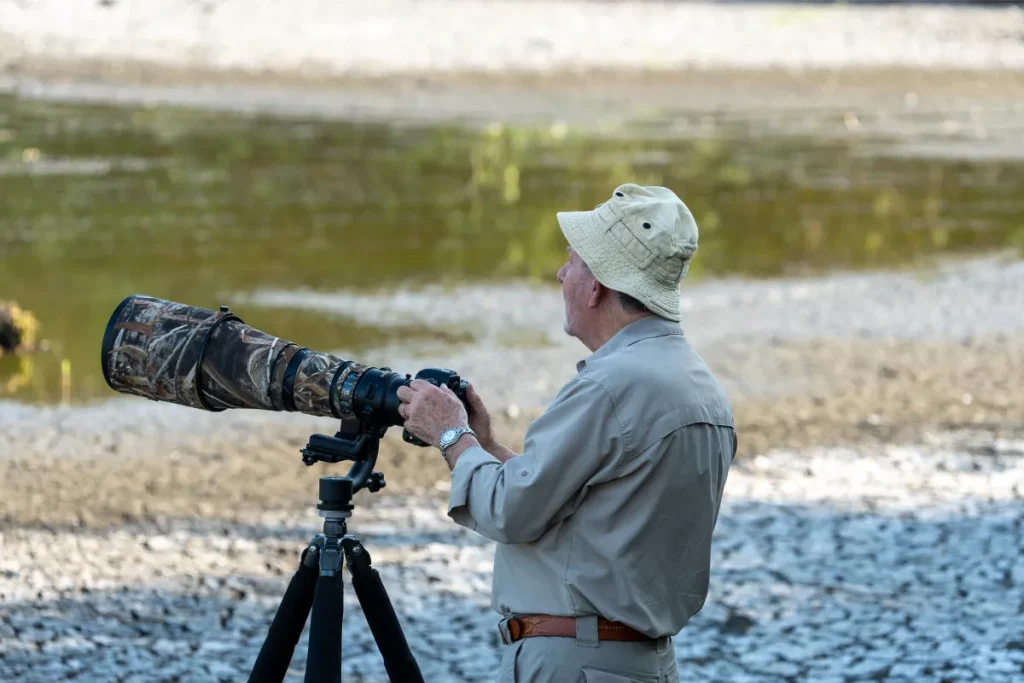
- Support: a monopod or light tripod for long lenses in dark forest.
The full packing list is in our essential camera gear guide for Costa Rica.
How do you handle low light in the rainforest?
Expect to work at high ISO and through small gaps in the canopy. Expose for the subject rather than the bright sky behind it, and adjust shutter speed as behavior changes.
- Start around 1/500 s for perched birds and 1/1000 s or faster for movement; drop lower only for still subjects.
- Accept higher ISO: a sharp, slightly noisy frame is more useful than a clean, blurred one.
- Watch backgrounds: a small shift in position can turn a blown-out sky into dark green foliage.
- Treat rain as an opportunity: overcast light reduces contrast and saturates color, and amphibians become more active.
Is night photography worth adding to a wildlife trip?
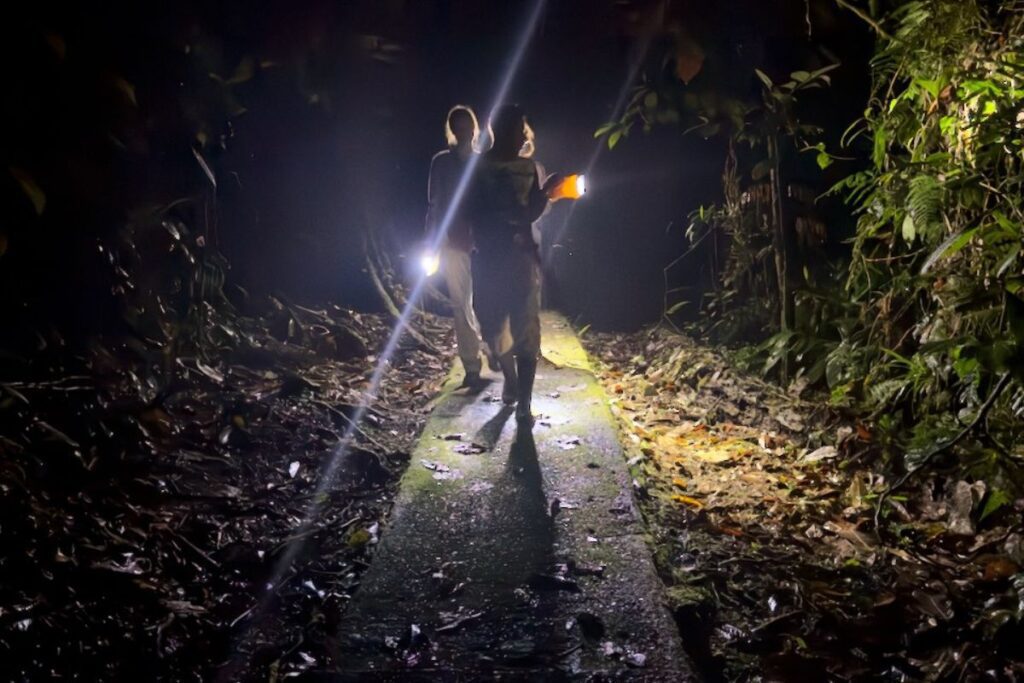
Yes, for frogs, snakes, insects and some night mammals. A guided night walk with a macro setup often produces the most distinctive images of a trip. Read our herping photography guide and the rainforest night walk session for technique and ethics.
Photograph Costa Rica wildlife on a private Physis program
Physis designs private, custom-made photography trips in Costa Rica around the wildlife you want to photograph, with local specialists and the right season and light. Private programs start from US$4,000.
How do you photograph wildlife ethically in Costa Rica?
The subject comes first: a photograph is never worth stressing an animal or damaging its habitat.
- Keep a respectful distance and follow guide and reserve rules.
- Do not block movement, nests or feeding routes.
- Never handle wildlife for a photograph.
- Use flash and call playback only where legal, appropriate and unlikely to cause disturbance.
- Leave the subject able to continue its natural behavior.
From the field
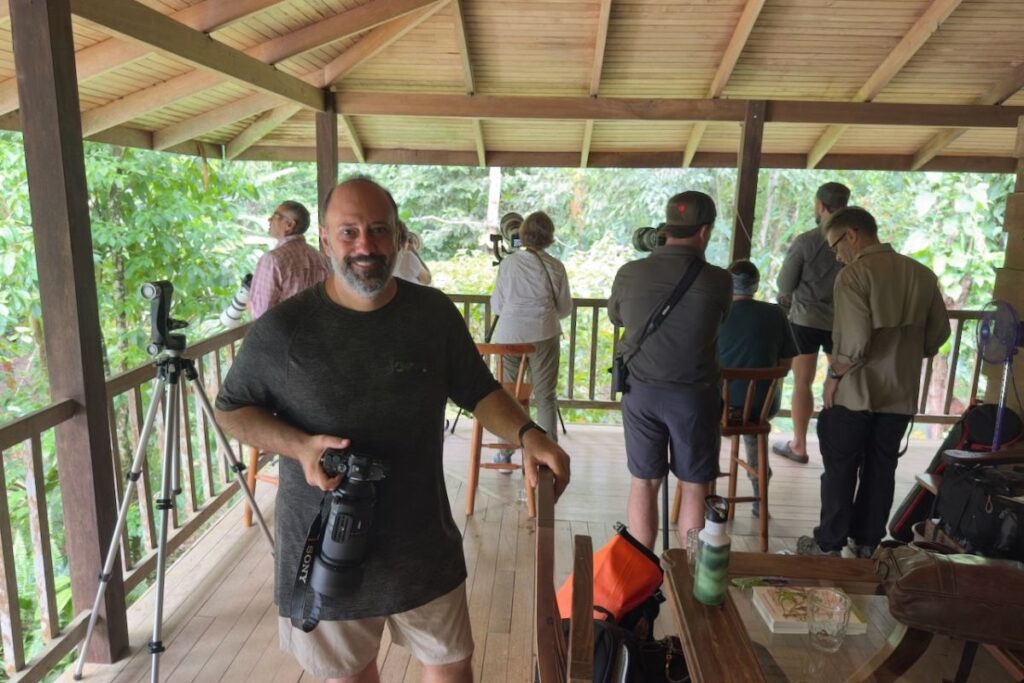
In Physis programs we schedule the first session at first light and keep midday flexible, because forest activity and usable light both drop as the day heats up. We plan at least two nights in each main region, so a rainy morning does not cost the target subject; and we pair a long-lens day with a night macro session in the same lodge, so photographers carry only the kit each session needs.
How long should a wildlife photography trip be?
Seven to ten days can cover two or three habitats without rushing; longer trips add regions and repeat sessions without constant hotel changes. To shape dates, regions and budget, start with our guide to planning a 2027–2028 Costa Rica photography trip.
Frequently asked questions
What wildlife can I photograph in Costa Rica?
Depending on region and season, realistic subjects include birds such as toucans, hummingbirds and the resplendent quetzal, mammals such as sloths and monkeys, reptiles, frogs, insects and wetland wildlife. Activity varies with weather and season, and no wild species can be guaranteed, so a good itinerary keeps alternatives for each target.
What is the best lens for Costa Rica wildlife photography?
A telephoto zoom in the 100–400 mm or 150–600 mm class is the most flexible choice for birds and mammals in variable forest light. Add a 100 mm macro lens with a diffused flash for frogs, reptiles and insects, and a standard or wide zoom for habitat and travel images.
Is the green season good for wildlife photography?
Yes. The green season, roughly May to November, brings lush backgrounds, softer light and active frogs and insects. It requires rain protection for your gear and a flexible schedule, with regions chosen for the expected weather on each part of the trip.
Do I need a private guide for wildlife photography in Costa Rica?
A local specialist who understands photography saves time: they know habitats, behavior and light, and they position you for a clean background rather than just a sighting. Physis builds private programs around local specialists, so the pace follows your photography rather than a group schedule.
Plan your Costa Rica wildlife photography trip
Tell us your target subjects, dates and preferred pace, and we will design a private program around them. Private programs start from US$4,000.