The right Costa Rica lodge is not simply the most luxurious property or the one with the longest wildlife list. For a photography journey, the best base is the one that protects productive field time, places the photographer near the right habitat, supports early departures and equipment needs, and fits the route, comfort level and companions travelling with them.
Physis Photo Tours evaluates hotels and lodges as part of a complete private itinerary. Location, habitat, access, light, meal timing, transport, room practicality, mobility and communication all influence whether an accommodation choice helps or complicates the photography plan.
“Physis-selected” or “Physis-certified” refers to an internal evaluation, selection and approval process used by Physis Photo Tours. It is not a Costa Rican government classification, a third-party accreditation or a permanent guarantee that a property is suitable for every photographer, season or itinerary.
Why Accommodation Changes the Photography Experience
A hotel may look close to a reserve on a map but still require a slow transfer before sunrise. A lodge may have excellent bird diversity but limited space for tripods, difficult backgrounds or meal hours that conflict with the best light. Another property may offer fewer on-site subjects yet work better because it shortens the route, supports an early breakfast and gives a non-photographer companion a comfortable day.
Physis therefore treats accommodation as an operational photography decision. The question is not only “Is this a good hotel?” It is “Does this property support the photographs, pace and logistics of this particular journey?”
How Physis Evaluates Photography Hotels and Lodges
| Evaluation area | What Physis examines | Why it matters to photographers |
|---|---|---|
| Habitat and subjects | Habitats on the property and within practical reach, plus the types of sessions that can realistically be arranged | Determines whether the stay supports the desired birds, wildlife, macro subjects or environmental images |
| Light and access | Direction of morning and afternoon light, trails, gardens, platforms, boats, reserves and realistic working distances | A strong species list does not automatically provide workable angles, backgrounds or time with a subject |
| Daily timing | Early departures, breakfast hours, packed meals, check-in and check-out realities | Protects productive light and reduces the need to choose between meals and field sessions |
| Route logistics | Road conditions, transfer time, parking, vehicle access, luggage handling and distance from the next destination | Reduces unnecessary driving and preserves time and energy for photography |
| Equipment practicality | Room access, power availability, weather protection and practical space for handling equipment | Helps photographers charge, organize and protect cameras without assuming facilities that have not been confirmed |
| Safety and mobility | Walking surfaces, stairs, lighting, room position and movement around the property | Allows the itinerary to reflect mobility, fitness and the safe handling of valuable equipment |
| Service and communication | Responsiveness, accuracy, flexibility and the property’s ability to support confirmed arrangements | Photography schedules often depend on reliable coordination when weather or wildlife activity changes |
| Comfort and companions | Room category, privacy, food preferences, air conditioning, rest time and activities for accompanying travellers | The right base must work for the complete travelling party, not only the most intensive photographer |
| Current fit | Recent operational experience, availability and the needs of the individual journey | A property that worked well on one route may not be the correct choice for different dates or priorities |
Photographic Value Begins With Habitat, Not a Hotel Label
Cloud forest, Caribbean foothills, northern rainforest and wetlands create different photographic conditions. Each calls for a different combination of access, equipment and patience.
Cloud forest and highlands
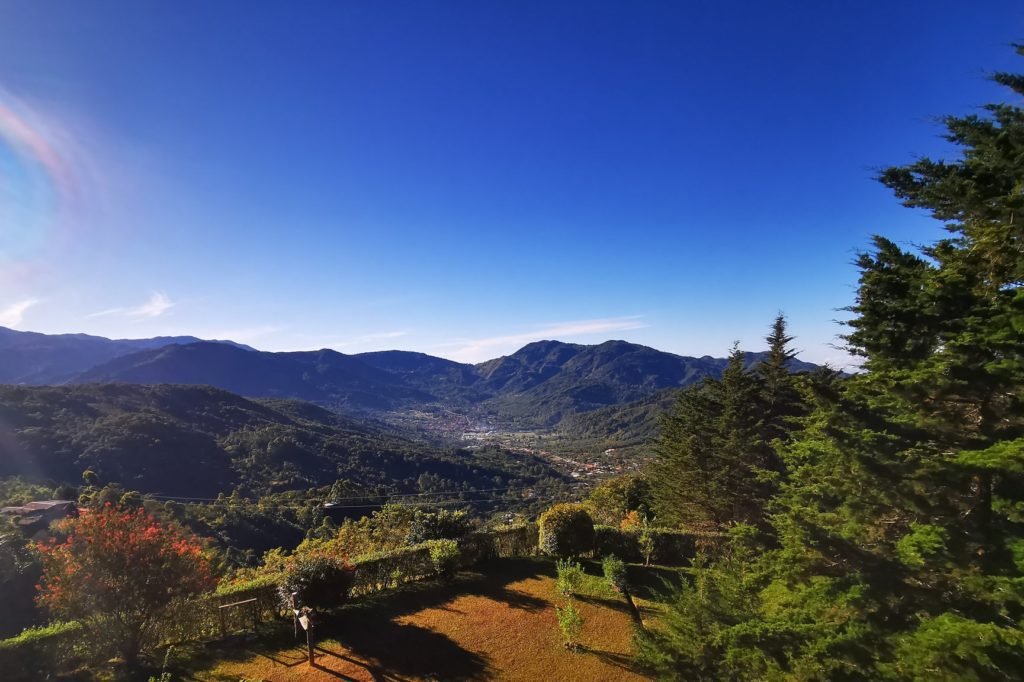
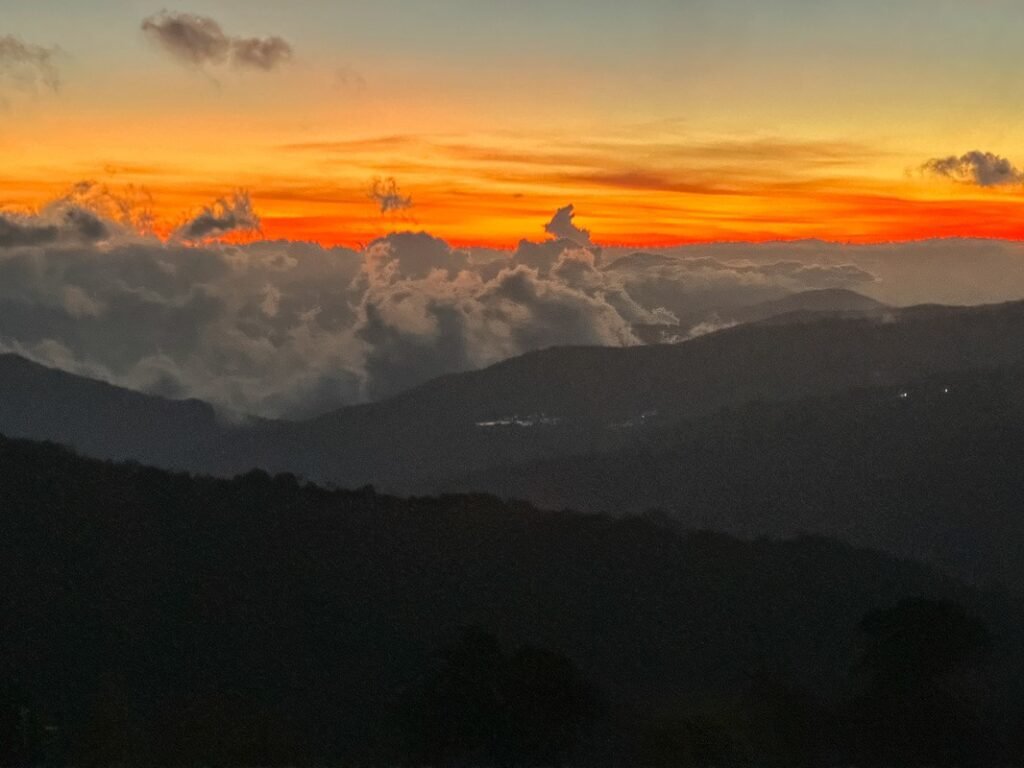
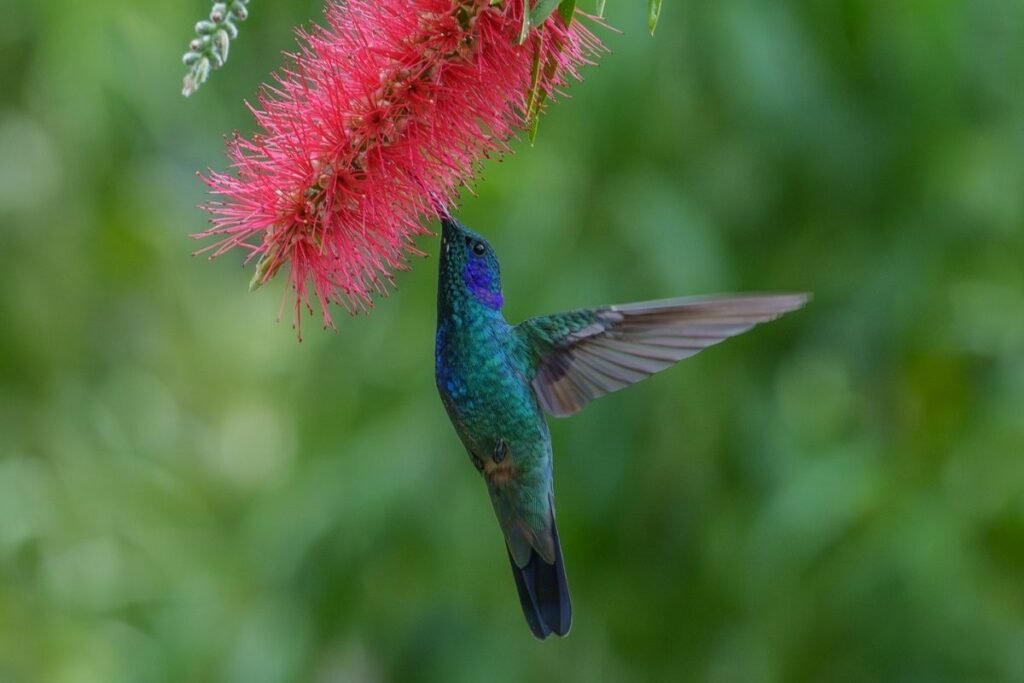
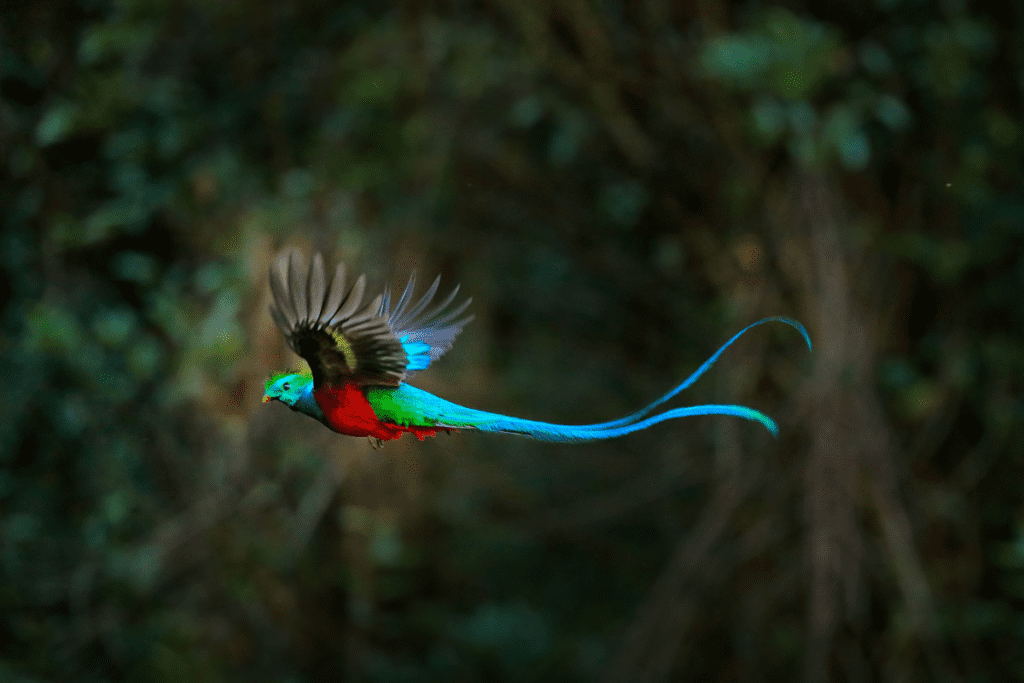
Highland bases can place photographers near Resplendent Quetzal habitat, hummingbirds and mountain species. They also bring cold mornings, mist, sloping terrain and rapid exposure changes. A useful lodge reduces early transfer time and supports repeated sessions, but no location can guarantee a quetzal or a particular photograph.
Caribbean foothills and lowland rainforest
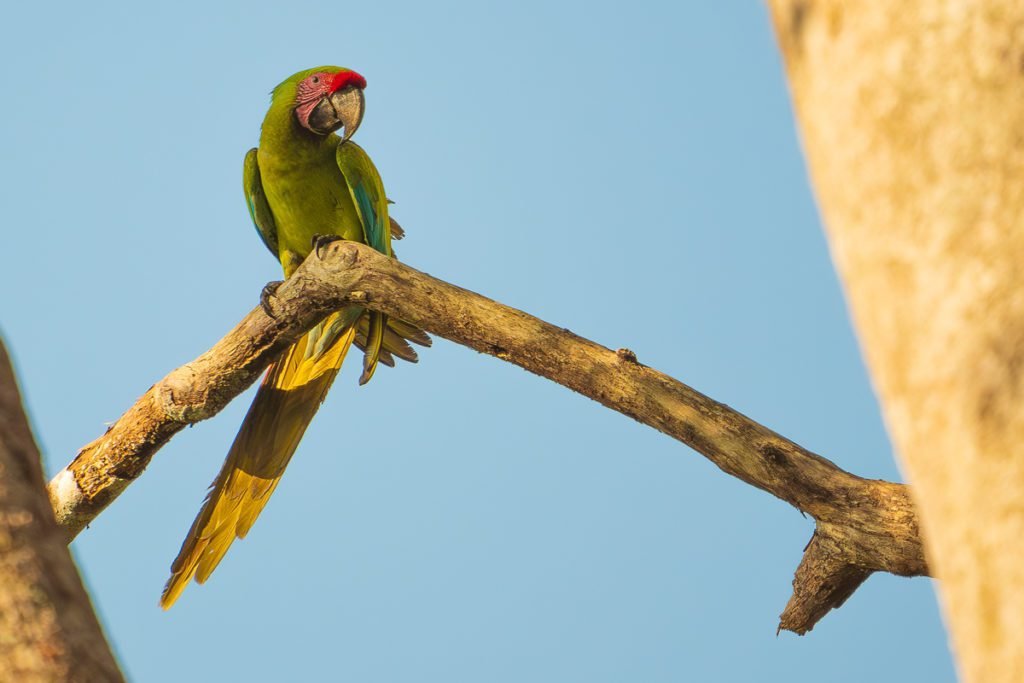
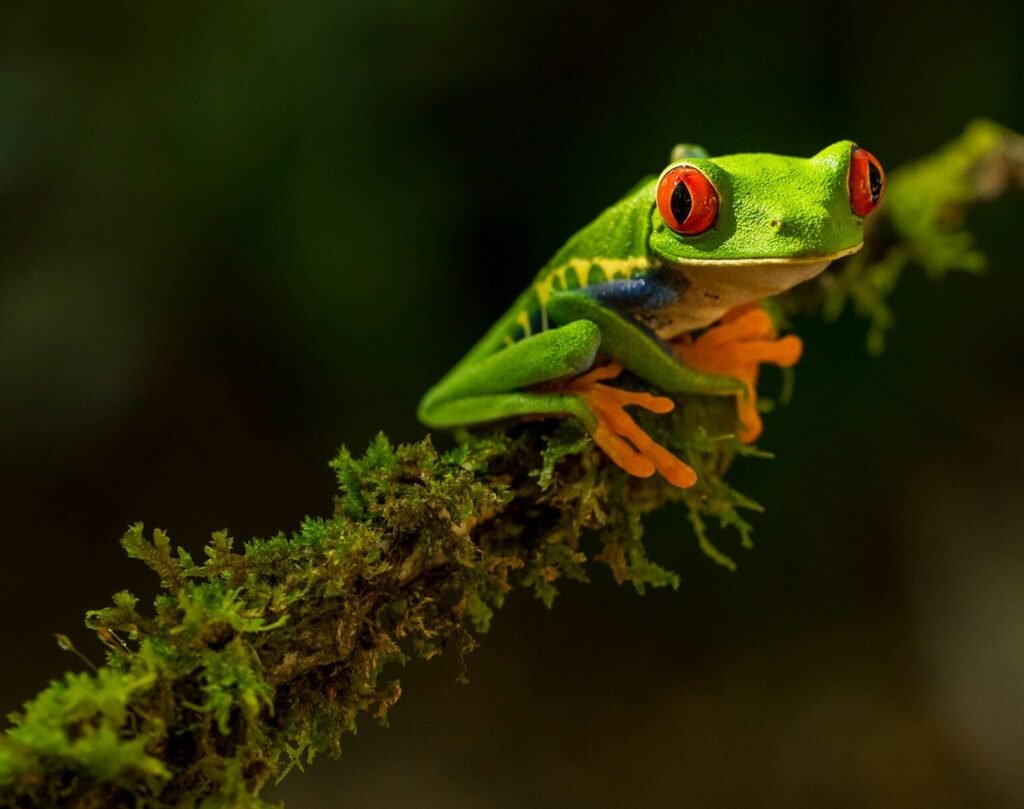
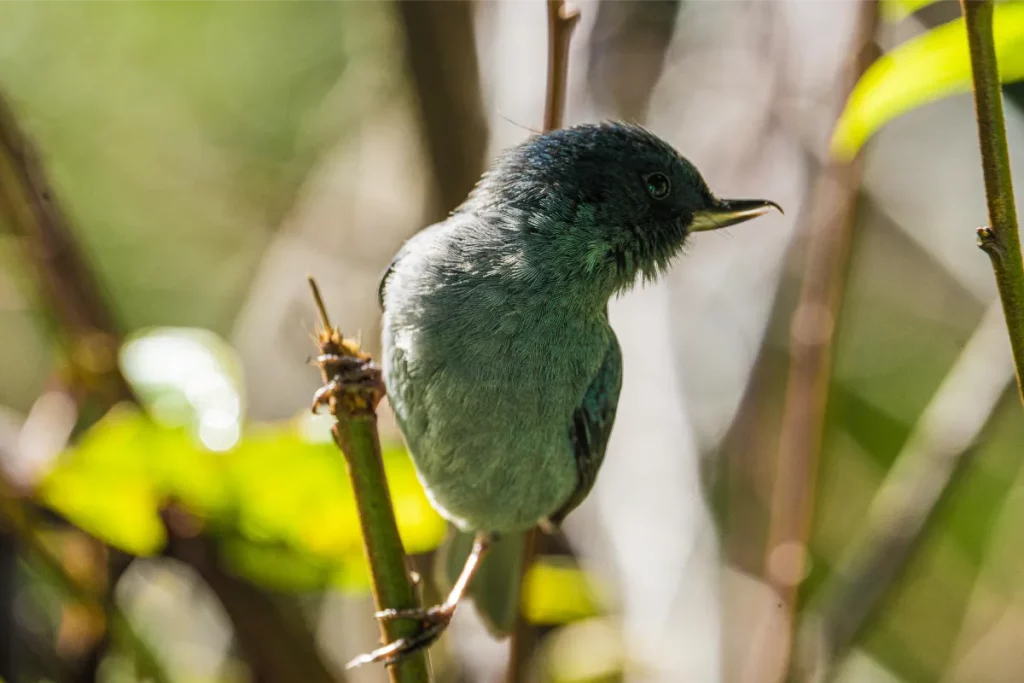
These areas can support toucans, tanagers, parrots, trogons, hummingbirds, mammals and macro subjects. Dense vegetation, humidity and low light make local access and field strategy especially important. Covered areas and on-site habitat can preserve a session when conditions change.
Northern lowlands and remote reserves
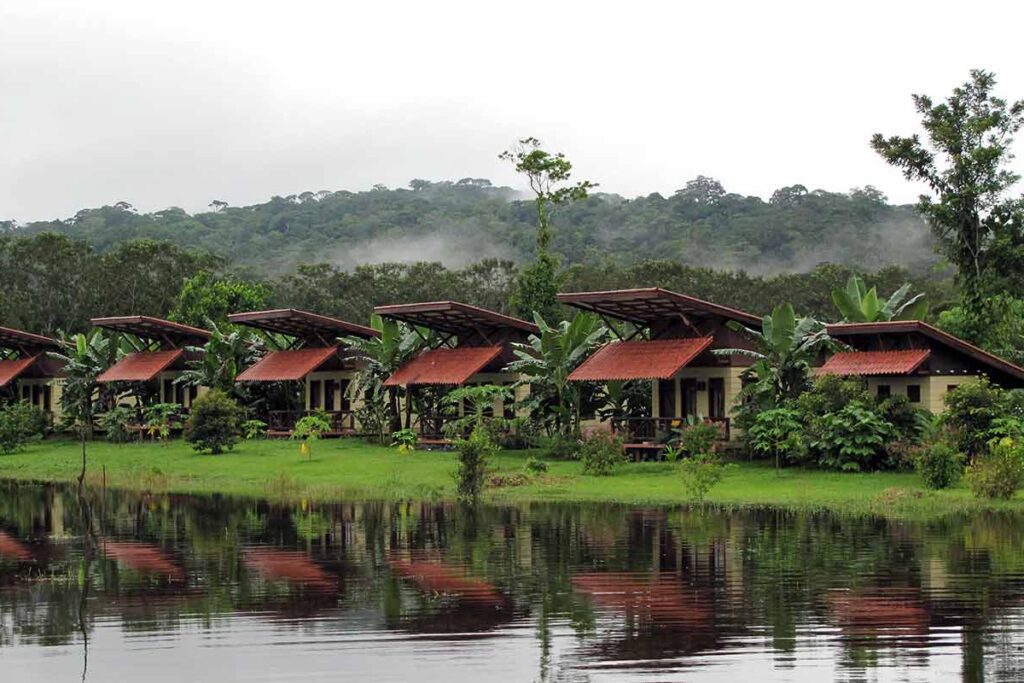
Remote properties can add rainforest, lagoons, platforms and nocturnal subjects, but the transfer must justify the stay. Physis normally evaluates whether two or three nights will produce more photographic value than a rushed one-night stop.
Wetlands and boat-based photography
For wetland birds and water-edge wildlife, accommodation is only part of the decision. Boat configuration, departure time, water levels, guide coordination, camera protection and control over pace may matter more than the room itself.
What Physis Confirms Before a Property Is Booked
Services and access can change. Physis does not assume that every property offers the same facilities throughout the year. Before reservations are finalized, the team confirms the details that matter for the individual trip, which may include:
- current room type, location and access;
- meal timing, packed meals and dietary requirements;
- guide, platform, boat or reserve arrangements;
- transfer timing and the appropriate vehicle;
- walking distances, stairs and mobility considerations;
- power, connectivity and practical equipment needs;
- options for non-photographer companions;
- the confirmed services included in the itinerary.
This confirmation step is part of the Physis Seal: Physis designs, reserves and operates the program; Andy Bezara personally curates it; specialist local guides lead field activities; and realistic transport planning connects the selected lodges and destinations.
Comfort Is Part of the Photography Plan
There is no universal accommodation hierarchy for photographers. A simple remote lodge may provide the best access for one objective. A full-service hotel may be the better choice for a longer stay, limited mobility or a companion who will not join every field session.
All four Costa Rica Photography Travel Styles use the same internal evaluation process. The difference is how the traveller prefers to be accompanied, transported and supported—not the quality of the Physis standard.
A Good Lodge Sequence Is Better Than a Long Lodge List
Trying to include every well-known property usually creates too much driving and too little photography. A stronger itinerary combines two or three complementary habitats and leaves enough time to return to productive locations under different light or weather.
The lodge sequence should be designed together with specialist local guides and realistic private transportation. A property is not selected in isolation; it must make sense within the route before and after it.
Explore Costa Rica Photography Lodges
Use the Photography Lodges archive to explore individual property evaluations. Each profile examines the lodge as a photographic base rather than offering a generic hotel review.
For a habitat-by-habitat comparison focused on birds, see the guide to the best bird photography lodges in Costa Rica.
Compose the Right Accommodation Plan
To recommend the right sequence, Physis needs more than a hotel preference. Share your travel dates, target species or types of images, trip length, photography experience, equipment, preferred pace, mobility or dietary needs, desired comfort and the interests of any companions.
Frequently Asked Questions
What does Physis-certified mean for a hotel or lodge?
It is Physis Photo Tours’ internal process for evaluating, selecting and approving accommodation for a specific photography itinerary. It is not a government classification or third-party accreditation.
Does Physis certification guarantee wildlife or photographs?
No. Habitat, access and recent experience inform the plan, but wildlife behavior, weather, light and photographic results cannot be guaranteed.
What makes a lodge suitable for photographers?
The answer depends on the journey. Physis evaluates habitat, photographic access, light, schedules, meals, transfers, equipment practicality, safety, comfort, mobility and communication with the property.
Are all Physis-selected properties luxury hotels?
No. A simpler lodge may provide the best access for a specialized objective, while a full-service hotel may be more appropriate for comfort, mobility or companion needs. The selection is made for the individual itinerary.
Can Physis plan for a non-photographer companion?
Yes. The team considers room comfort, pace, rest time, food preferences and alternative activities so the accommodation sequence works for the complete travelling party.
How many nights should a photographer stay at each lodge?
Two or three nights are often useful in important regions, but the correct stay depends on transfer time, weather, target subjects, planned sessions and the complete route.