
The best time for wildlife photography in Costa Rica depends on the subjects, regions and field conditions you value most. December through April usually brings drier conditions to the Pacific side, while the green season can produce lush backgrounds, active amphibians and productive rainforest sessions. The Caribbean slope follows a different rainfall pattern, so a strong itinerary is built around ecosystems rather than a single nationwide “best month.”
1. Start With the Subject, Not the Calendar
Costa Rica can be photographed throughout the year. The useful question is not simply when the weather is driest; it is when the conditions support the images you want to make. A bird photographer planning long morning sessions has different priorities from a macro photographer looking for frogs after rain or a traveler combining wetlands, cloud forest and Caribbean lowlands.
Dry weather can simplify road access and equipment management, but it does not automatically create better wildlife behavior or better light. Rain can interrupt a session, yet it can also soften backgrounds, deepen forest color and change the activity of small rainforest subjects. Travel dates should therefore be evaluated against target species, elevation, coast and tolerance for variable conditions.
| Travel window | Typical planning advantage | Photography consideration |
|---|---|---|
| December–April | Drier pattern on much of the Pacific side and generally easier overland logistics | Stronger sun, busier travel periods and drier-looking habitat in some regions |
| May–June | Green vegetation and the return of regular rain in many Pacific and inland regions | Build in rain protection and flexible afternoon plans |
| July–August | A relative reduction in Pacific rainfall can occur during the veranillo | The Caribbean slope does not necessarily follow the same pattern |
| September–October | Potentially useful for Caribbean-focused routing | These are often the wettest Pacific months, so regional selection matters greatly |
| November | Transition toward the Pacific dry season | Conditions can change quickly between regions and elevations |
2. Costa Rica Does Not Have One Weather Pattern
The official Visit Costa Rica climate guide distinguishes the Pacific and Caribbean rainfall regimes. On the Pacific side, the dry period is generally December through March, April is transitional, and the rainy period runs from May through October with another transition in November. July and August can bring a relative decrease in rain known as the veranillo.
The Caribbean side has no equally defined dry season. Rain remains possible throughout the year, with relatively drier coastal periods commonly occurring around February–March and September–October. Mountain chains, elevation and local topography create additional microclimates. A forecast for the Pacific coast therefore says little about conditions in Sarapiquí, Boca Tapada or a high-elevation cloud forest.
For photographers, that regional contrast is an advantage. A private itinerary can shift emphasis between coasts or elevations instead of treating rain in one region as a failed trip nationwide.
3. Match the Season to the Wildlife Story
Bird photography
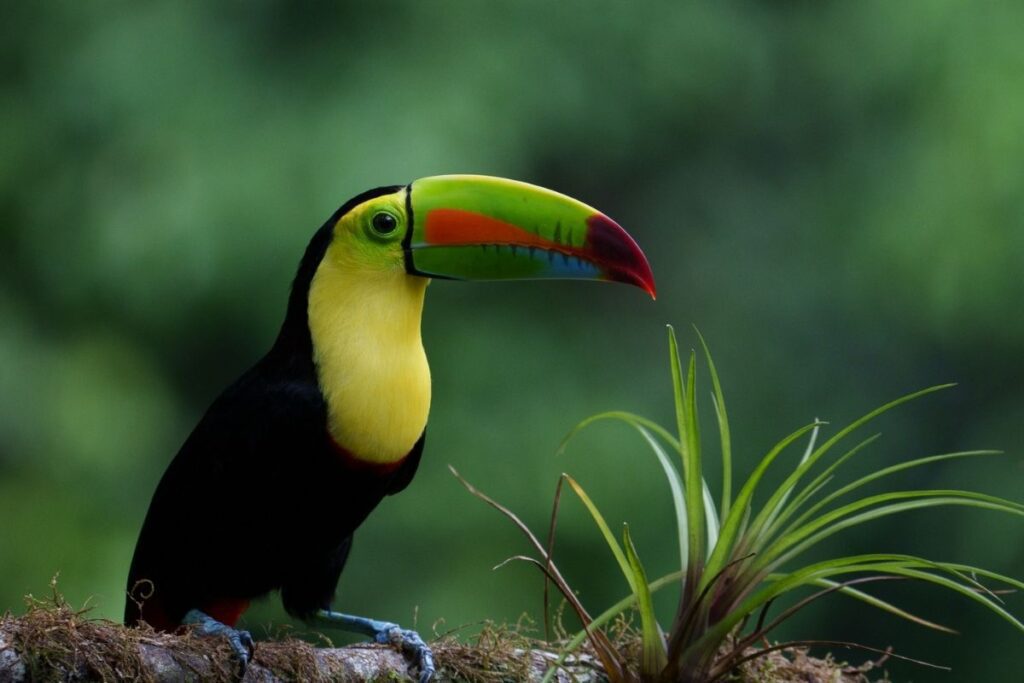
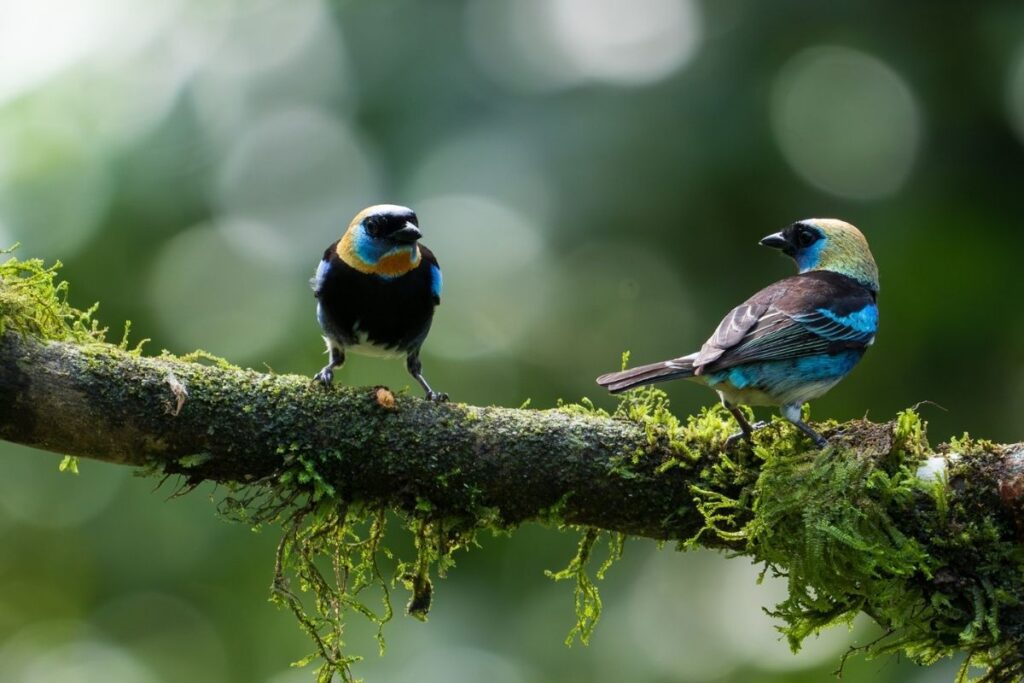
Bird photography is productive year-round, but fruiting trees, flowering cycles, nesting activity and local movement can change the opportunity at a particular property. A private Costa Rica bird photography tour should use current local information and repeated sessions rather than promise a species on a fixed date.
Mammals and wetlands
For mammals and wetland wildlife, time of day, access and habitat often matter more than the name of the season. Early starts, quiet positioning and enough time in one region improve the chance to respond to current activity. At Caño Negro Wildlife Refuge, for example, water level and local access influence the backgrounds, boat routes and species mix available during a session.
Macro, amphibians and reptiles
Regular rain and high humidity can make the green season especially rewarding for frogs, insects and night photography. It also raises the practical demands: camera protection, dry storage, safe footwear and a guide who understands nocturnal field conditions. A dedicated macro photography program can combine daytime forest subjects with controlled night sessions.
4. Choose Regions That Complement One Another
A multi-region trip is strongest when each stop adds a different habitat and subject set. Changing hotels every day usually reduces productive field time, so the route should balance contrast with repeated sessions.
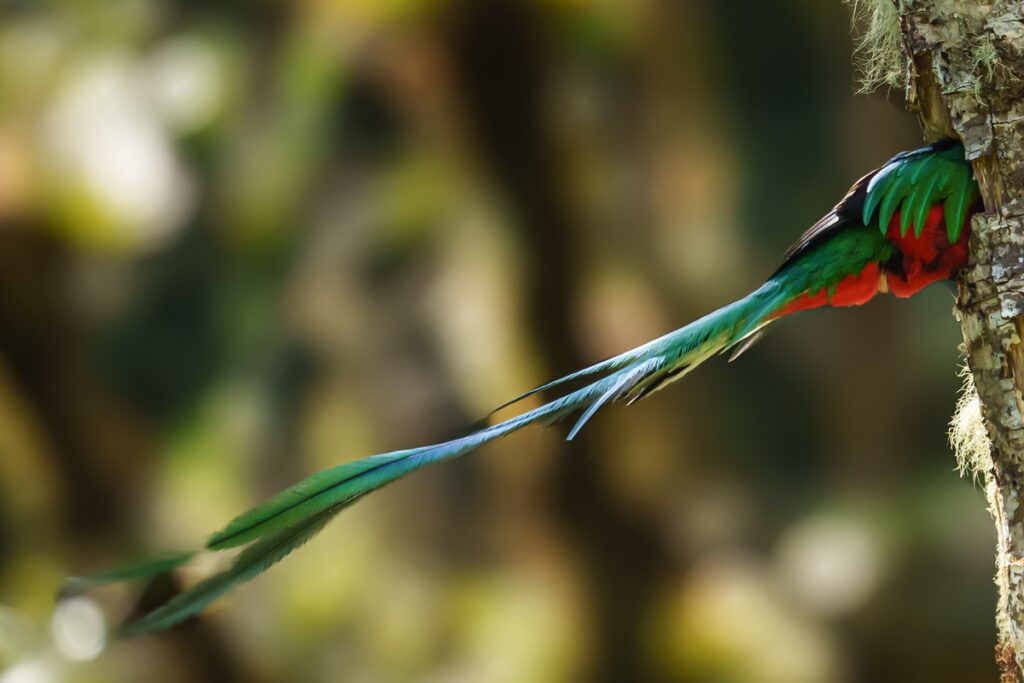
- San Gerardo de Dota: high-elevation cloud forest, quetzals and mountain birds; cool mornings and rapidly changing mist require layers and exposure flexibility.
- Sarapiquí: Caribbean-slope rainforest for birds, amphibians, reptiles and insects; rain is part of the ecosystem rather than an exceptional event.
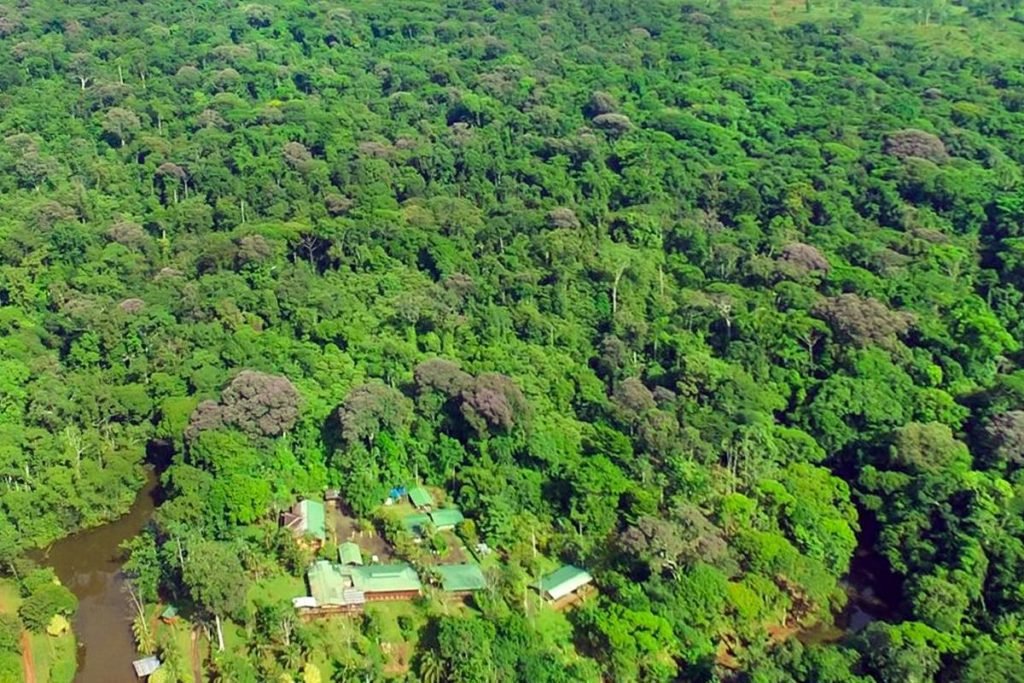
- Boca Tapada: northern lowland forest with bird, wildlife and macro possibilities; longer travel time makes a multi-night stay more productive than a brief stop.
- Caño Negro: wetland and boat-based photography where water conditions, light direction and local knowledge shape the session.
- Pacific and southern rainforest: useful for broader wildlife itineraries, but September and October require especially careful routing and access checks.
Travel pace matters as much as regional variety. Two or three full sessions in the right habitat can be more valuable than adding another destination simply to lengthen the species list.
5. How Physis Plans Around Your Dates
Physis Photo Tours begins with the dates the photographer can travel, then evaluates target subjects, regional climate, physical pace, preferred accommodation and the interests of any non-photographer companions. The result is a private, custom-made program—not a fixed departure that assumes the same month and route work for everyone.
A strong plan also includes alternatives. If heavy rain closes one type of session, the itinerary may shift to covered feeders, macro work, a different elevation or an earlier departure the following day. That flexibility is one of the practical advantages of a private Costa Rica wildlife photography tour.
Frequently Asked Questions
What is the best month for wildlife photography in Costa Rica?
There is no single best month for every subject and region. December through April is generally drier on the Pacific side, while the green season can favor lush rainforest and macro subjects. The Caribbean has a different rainfall pattern, so the answer should be based on target species and route.
Is the rainy season bad for wildlife photography?
No. Rain can interrupt sessions, but it can also produce rich color, soft light and increased activity among frogs and insects. A successful green-season trip needs rain protection, flexible timing and regions selected for the photographer’s priorities.
When is the dry season in Costa Rica?
On much of the Pacific side, the dry period generally runs from December through March, with April as a transition month. The Caribbean side does not have the same defined dry season and often has relatively drier periods around February–March and September–October.
When is the best time to photograph frogs in Costa Rica?
Frogs can be photographed year-round, but regular rain and humidity often make the green season particularly productive. Exact activity depends on species, elevation, recent weather and access to suitable habitat.
How many regions should a wildlife photography itinerary include?
For many private trips, two or three complementary regions provide a better balance than changing hotels every day. The correct number depends on trip length, target subjects, travel pace and the need for repeated sessions.
Can Physis plan a trip around fixed vacation dates?
Yes. Physis starts with the traveler’s available dates and builds a private itinerary around the best regional and photographic options for that window. Wildlife sightings cannot be guaranteed, but routing, timing and local guidance can be optimized.