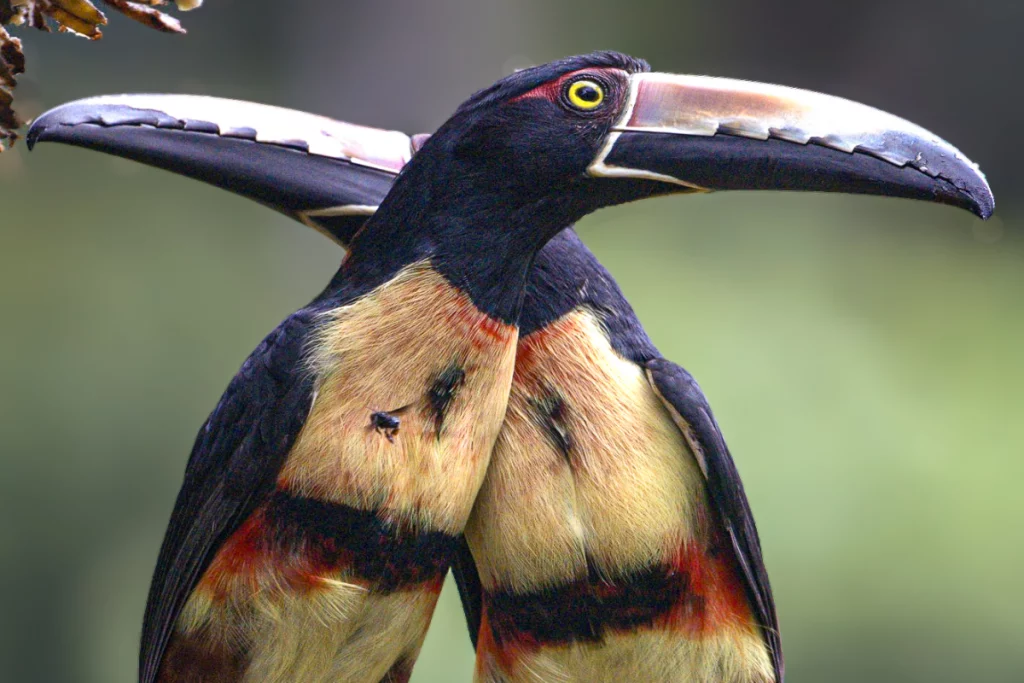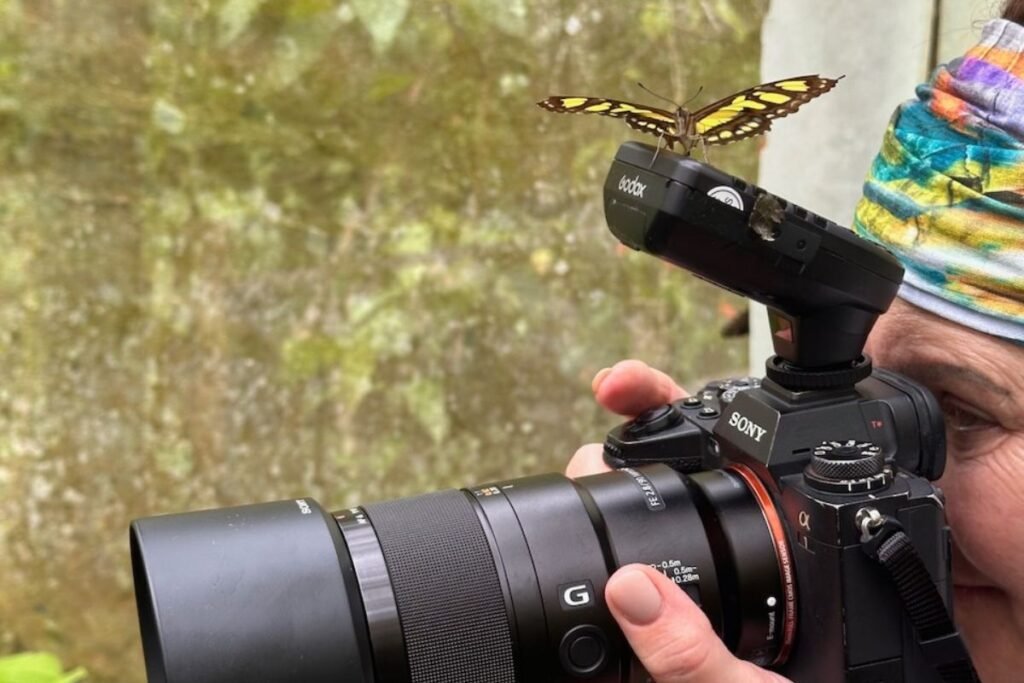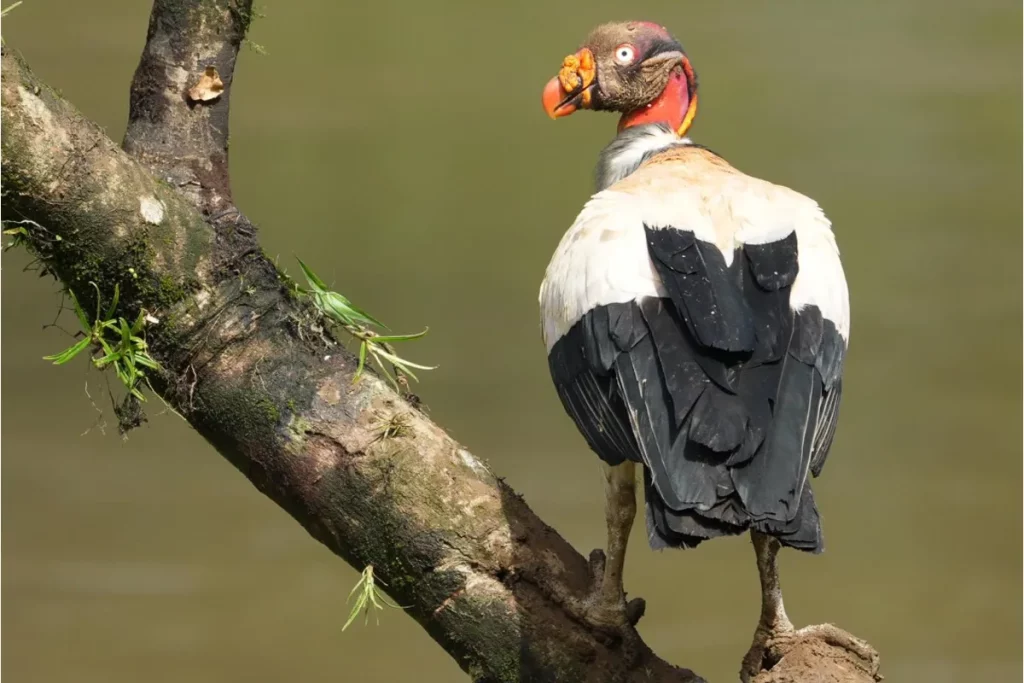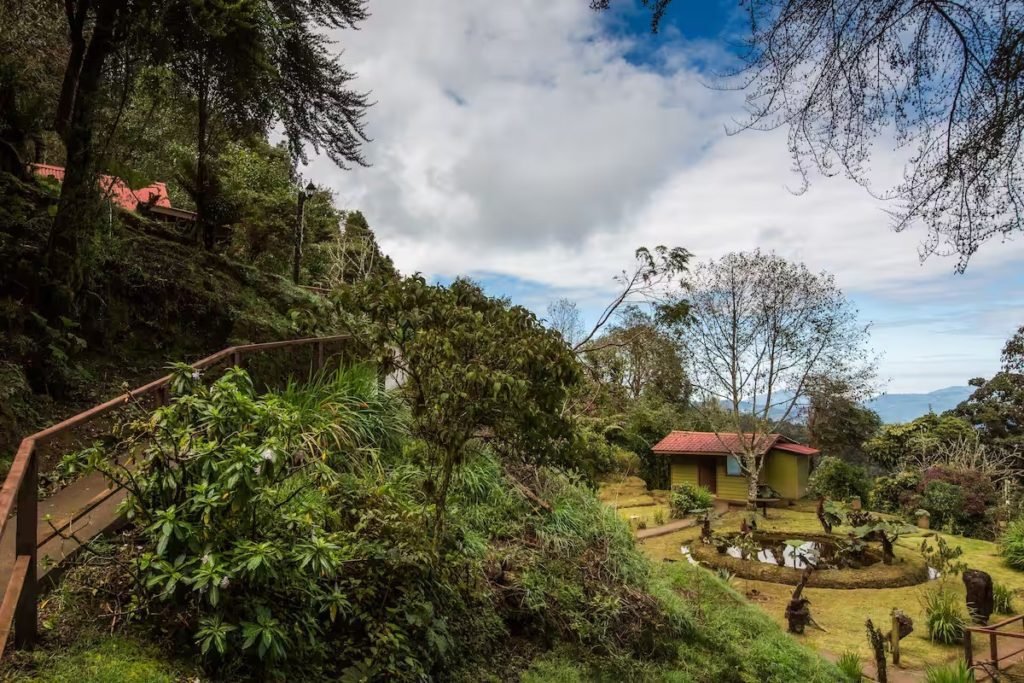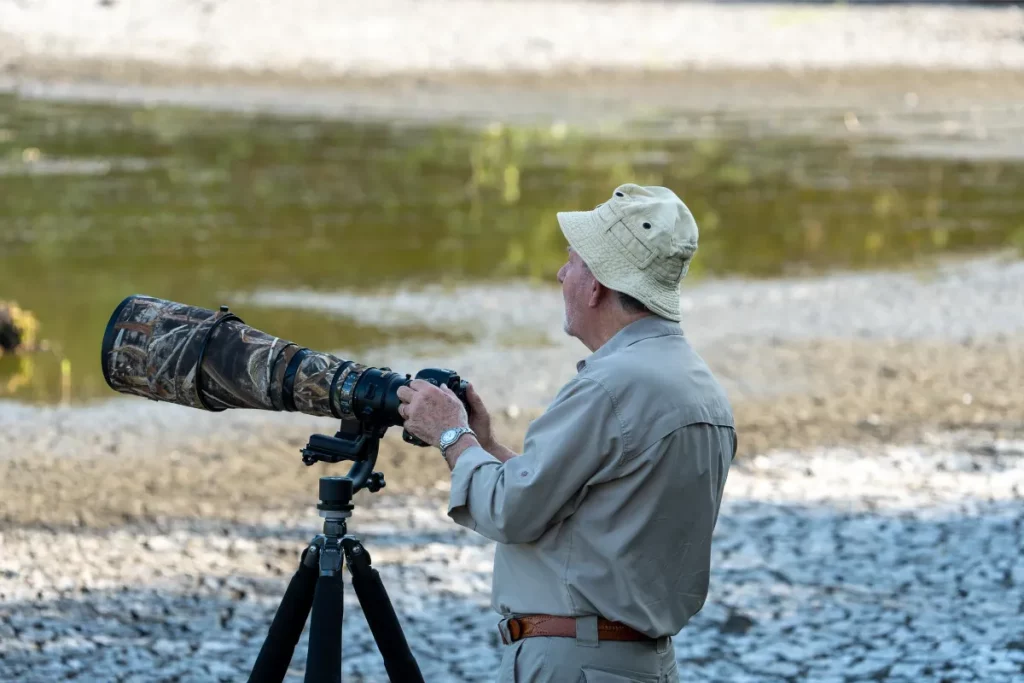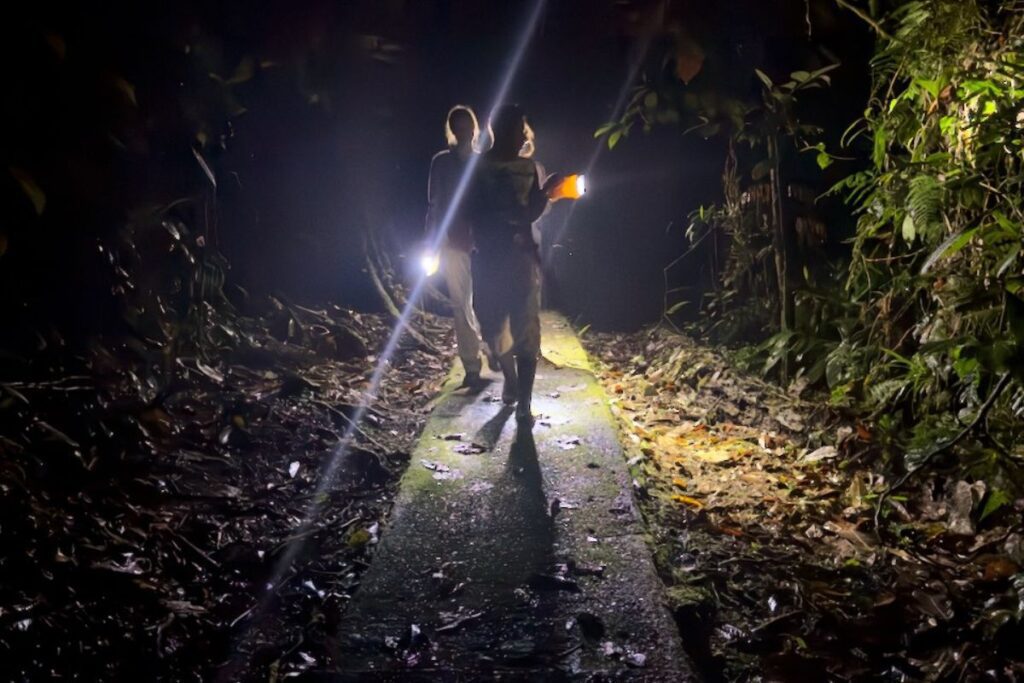
Wildlife photography in Costa Rica is most productive when the route combines complementary habitats and the schedule protects early mornings, late afternoons and selected night sessions. A private trip should be designed around target subjects, field conditions and repeated access—not around a promise to photograph every famous species.
1. Decide What “Wildlife” Means for Your Portfolio
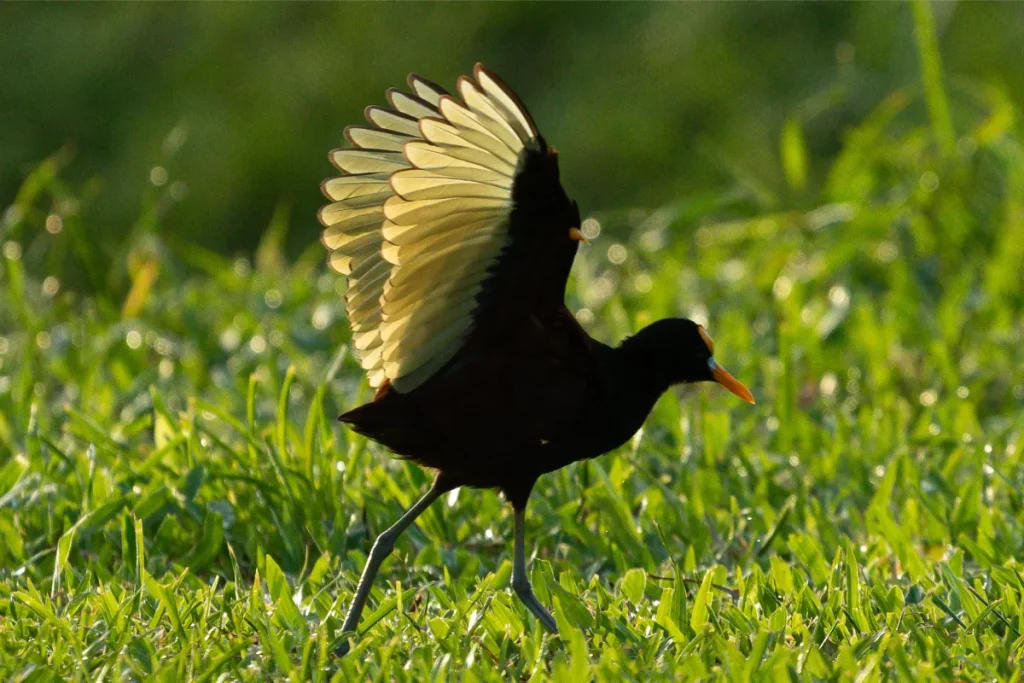
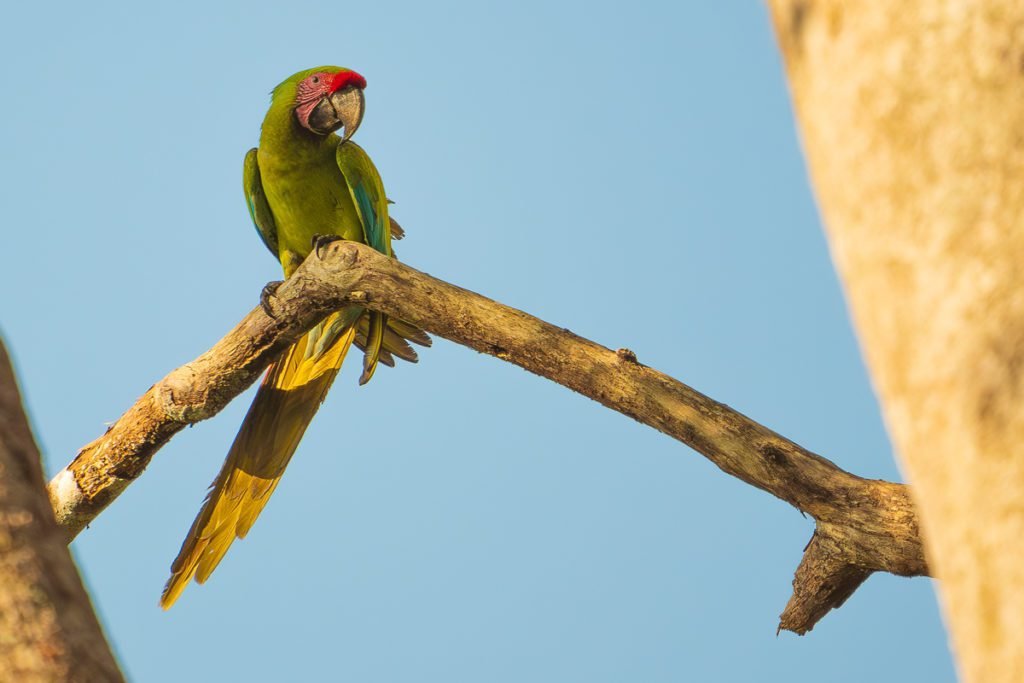
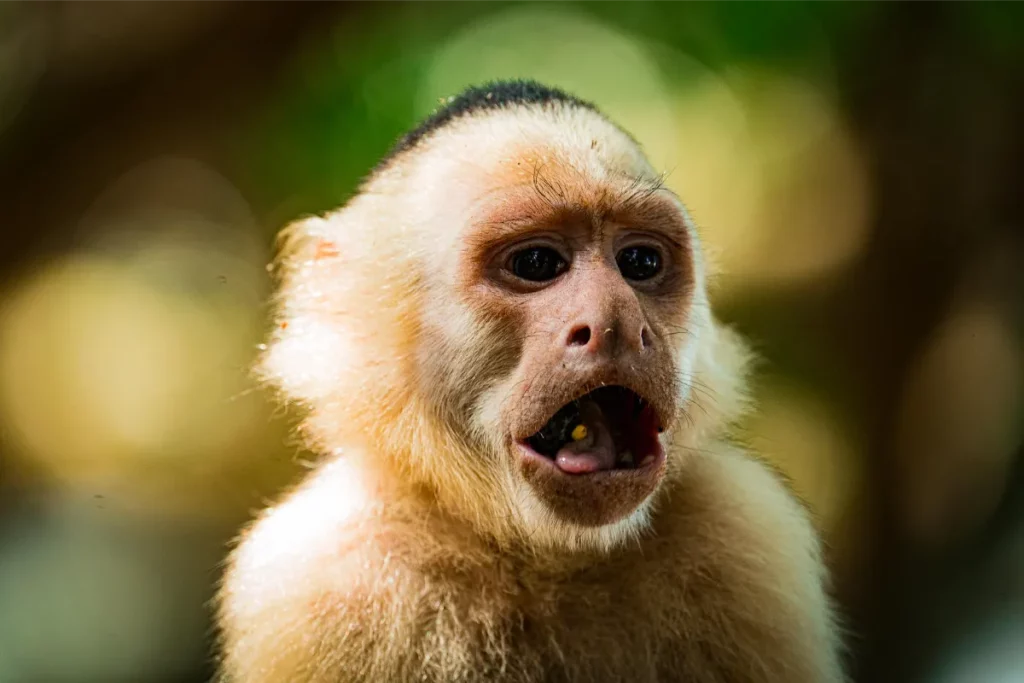
Birds, mammals, reptiles, amphibians and insects require different lenses, guides and time of day. Rank the subjects that matter most and identify the habitat each needs. This keeps a sloth-and-monkey itinerary from being overloaded with distant birding stops or a macro trip from carrying unnecessary long-lens weight every night.
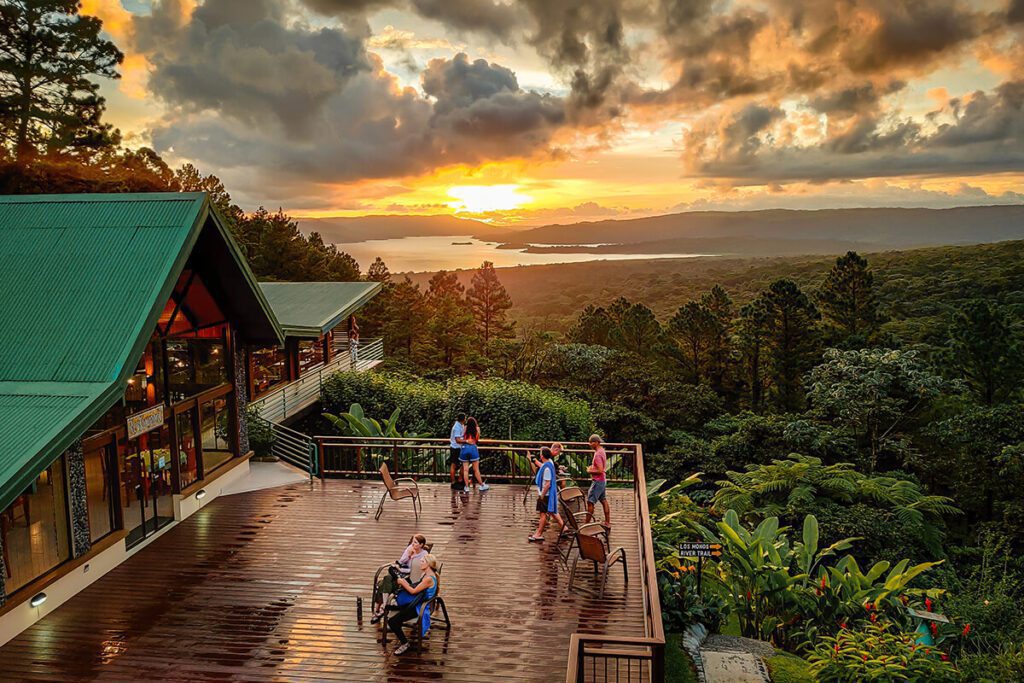
2. Select Complementary Habitats
| Habitat | Typical opportunities | Field challenge |
|---|---|---|
| Cloud forest | Highland birds and environmental images | Mist, low light and cool mornings |
| Caribbean lowland rainforest | Birds, frogs, reptiles and mammals | Humidity, rain and dense vegetation |
| Wetland | Waterbirds, reptiles and boat-based perspectives | Water level and moving platforms |
| Pacific rainforest | Mammals, macaws and broader wildlife | Long transfers and seasonal access |
3. Work With Light, Weather and Behavior
Forest wildlife is often photographed at high ISO and through small openings. Expose for the subject, watch bright backgrounds and be ready to change shutter speed as behavior changes. Rain is not automatically lost time: it can produce saturated color, softer light and active amphibians. Protect equipment and use a flexible schedule rather than forcing a session in unsafe conditions.
4. Use Ethical Fieldcraft
- Keep a respectful distance and follow the guide or reserve rules.
- Do not block movement, nests or feeding routes.
- Avoid handling wildlife for a photograph.
- Use flash and playback only when legal, appropriate and unlikely to cause disturbance.
- Leave the subject able to continue its natural behavior.
5. Build a Private Trip Around Real Constraints
Physis balances dates, target subjects, trip length, mobility, accommodation and companion interests. A good route protects field time and retains alternatives when weather or activity changes. Review the seasonal planning guide and the destination comparison before choosing a fixed itinerary.
Frequently Asked Questions
What wildlife can I photograph in Costa Rica?
Depending on region and season, opportunities may include birds, monkeys, sloths, reptiles, amphibians, insects and wetland wildlife. No wild species can be guaranteed.
What lens is best for Costa Rica wildlife?
A telephoto zoom is the most flexible choice for birds and mammals. Add a macro lens for small subjects and a standard or wide zoom for habitat and travel images.
Is the green season suitable for wildlife photography?
Yes. It can bring lush backgrounds, softer light and active frogs and insects, but requires rain protection and flexible regional planning.
How long should a wildlife photography trip be?
Seven to ten days can cover two or three habitats at a useful pace. Longer trips allow more regions and repeated sessions without excessive hotel changes.