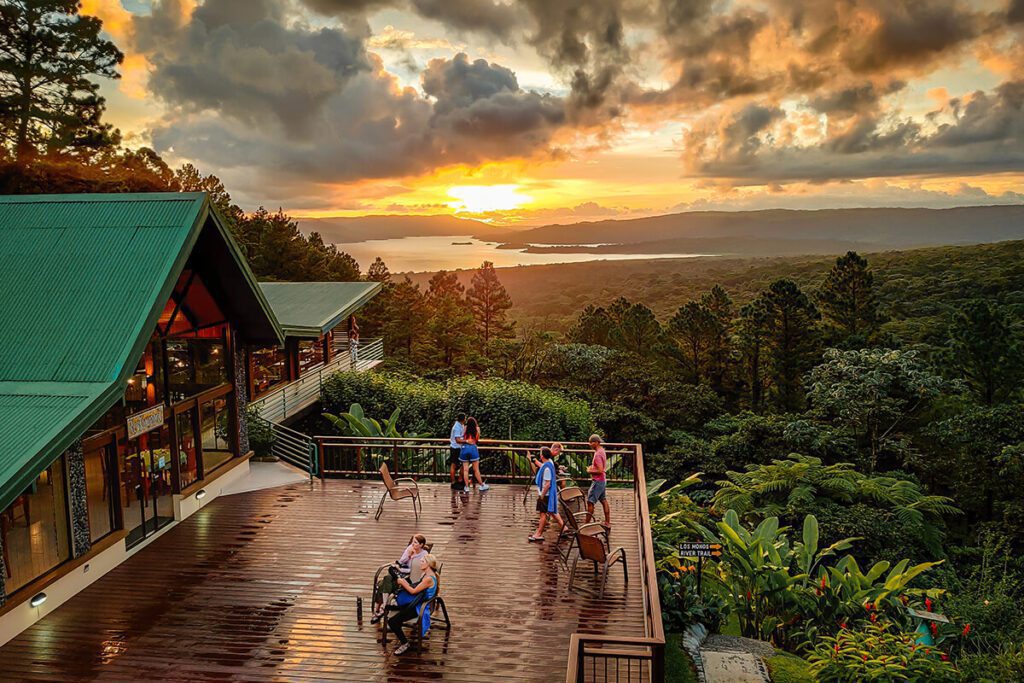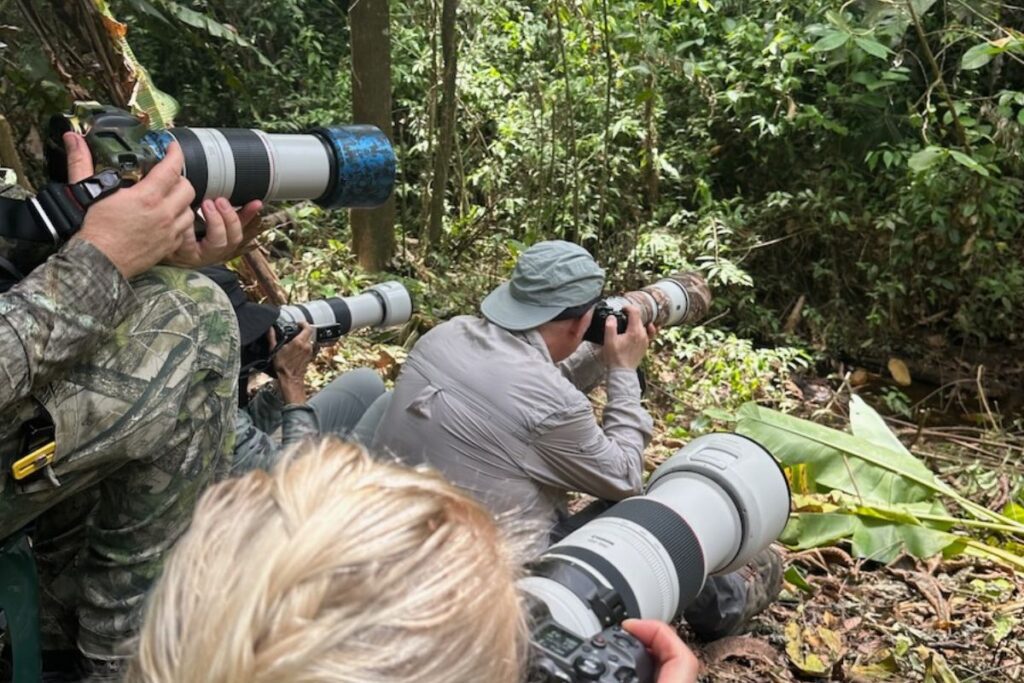

Most photography trips to Costa Rica are planned backwards. Photographers start with a map, pick famous locations, book lodges, and only then ask whether the itinerary actually serves their photography. The result is predictable: beautiful places, mediocre field time, and a portfolio that looks like everyone else’s.
This guide walks you through planning in the right order — the same order we use at Physis Photo Tours when we design private Costa Rica photography tours. Whether you plan independently or work with a local operator, these seven steps will protect the only thing that matters: your time behind the camera.
The Short Answer
To plan a photography tour in Costa Rica, start with your photography goals, then choose your subjects, match the season to those subjects, decide your pace and travel style, set a realistic duration, and choose between a group departure and a private program. Locations and lodges come last — they should serve your photography, not define it.
Step 1 — Define Your Photography Goals First
Before looking at any destination, answer one question honestly: what do you want to come home with? A portfolio of hummingbirds in flight, a documentary series on rainforest life, macro work you cannot do at home, or simply better images than your last trip — each of these leads to a different itinerary. Write your goals down. Every decision that follows should be tested against them.
Step 2 — Choose Your Subjects
Costa Rica concentrates an extraordinary range of subjects in a small country, but they do not live in the same places or follow the same schedule. Bird photography, wildlife photography, and macro photography each demand different locations, timing, and technique:
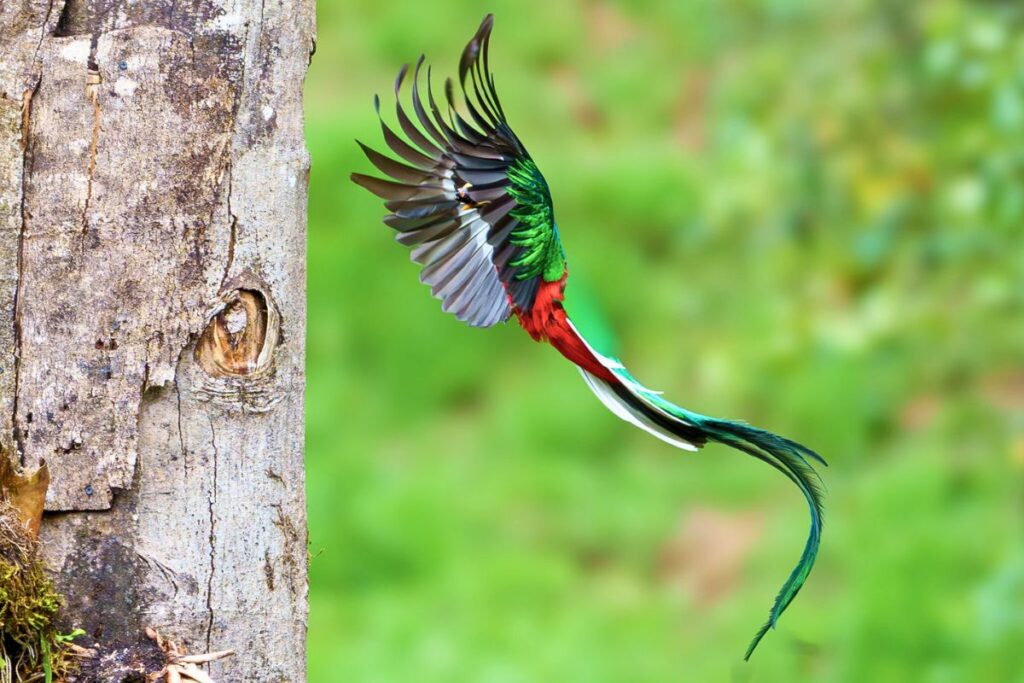
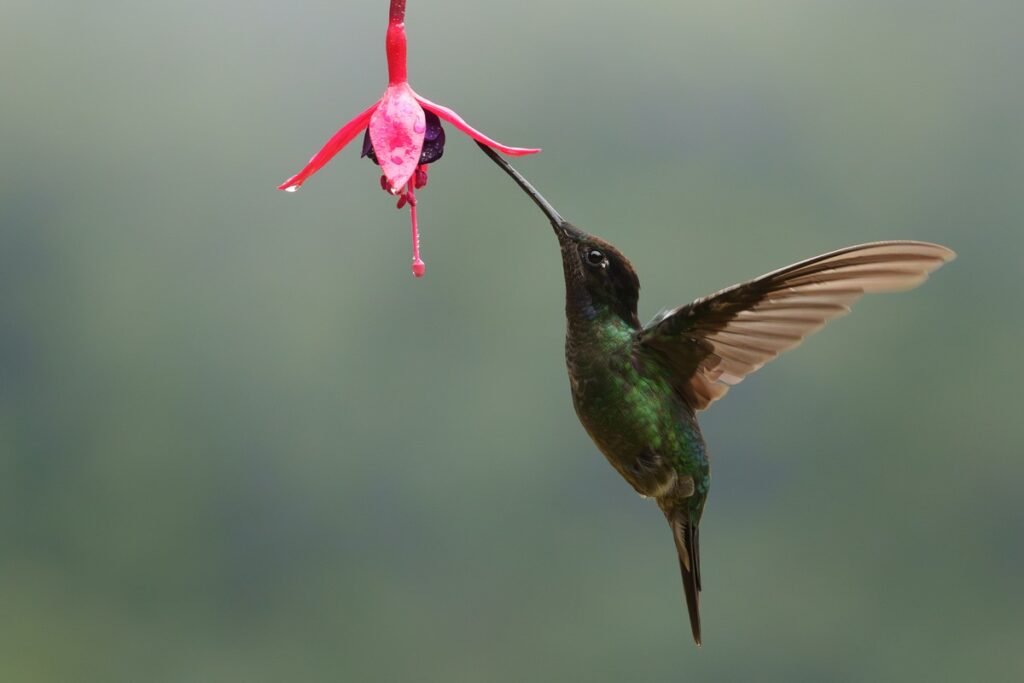
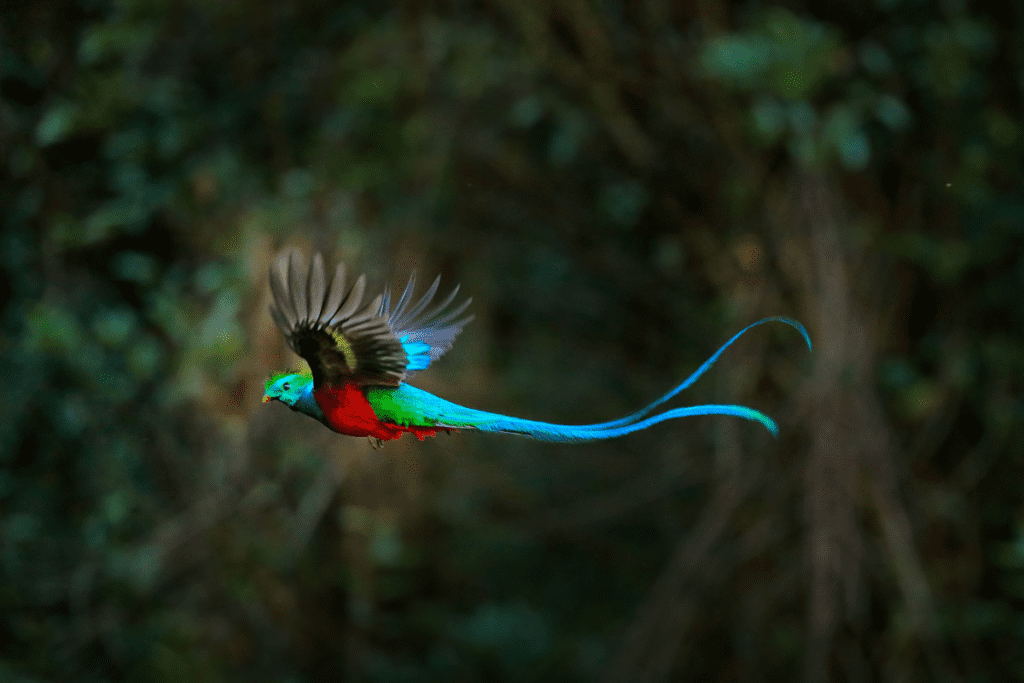
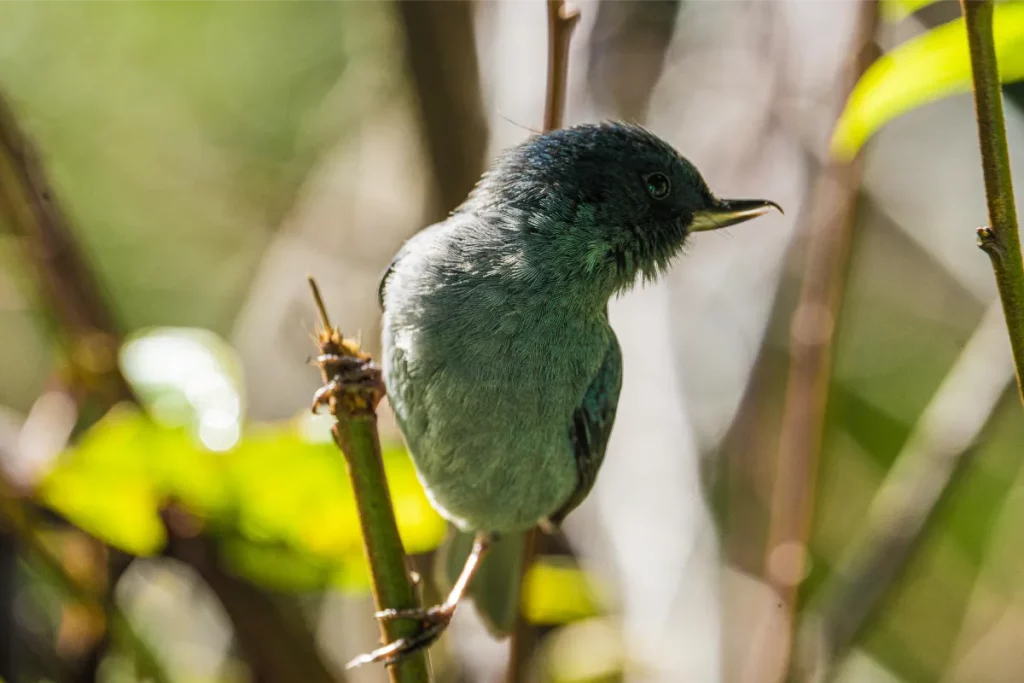
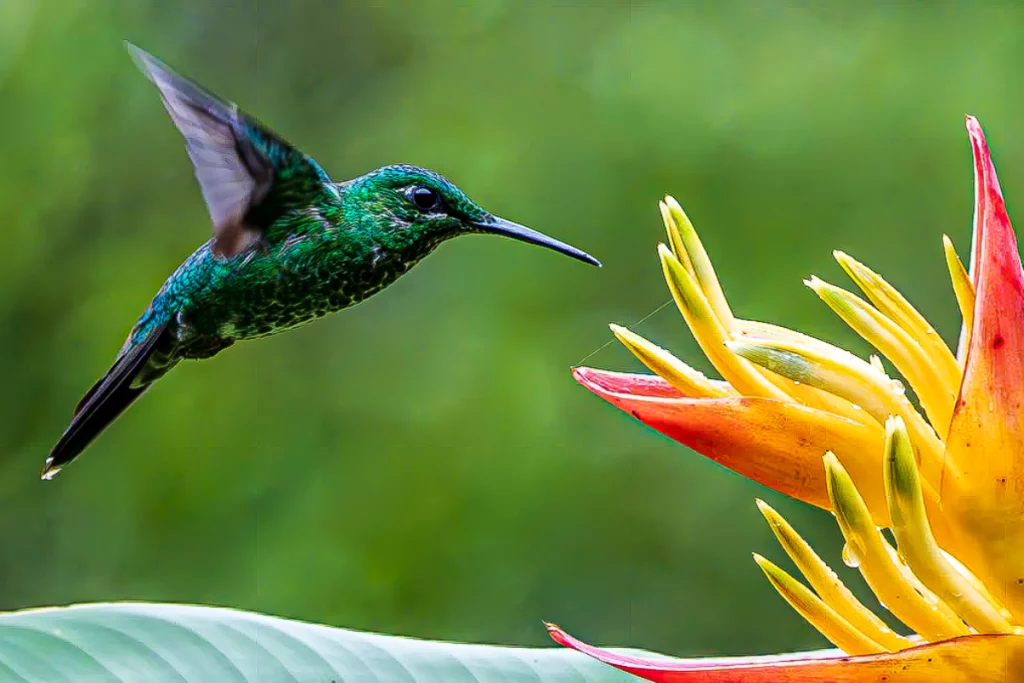
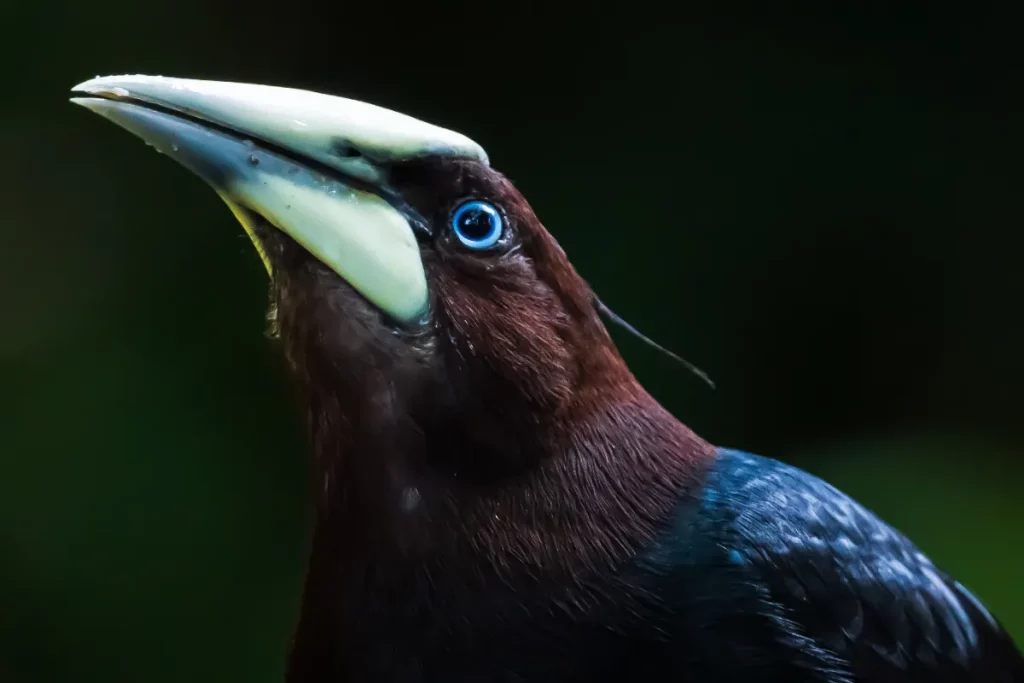
- Birds — from highland quetzals to lowland toucans and hummingbird setups. See how Costa Rica bird photography tours are structured.
- Wildlife — monkeys, sloths, reptiles, and mammals across rainforest, wetland, and coastal habitats. Explore Costa Rica wildlife photography tours.
- Macro — frogs, insects, and the small worlds of the rainforest, often at night. Learn what Costa Rica macro photography tours involve.
Most photographers combine two of these. Trying to maximize all three in one short trip usually dilutes all of them — a good itinerary makes that trade-off deliberately.
Step 3 — Match the Season to Your Subjects
There is no single best time for photography in Costa Rica; there is a best time for your subjects. In general terms, the dry season runs from roughly December to April and offers more predictable field conditions, while the green season, from May to November, brings lush vegetation, dramatic skies, and fewer visitors. Some subjects have specific seasonal windows, and this is exactly the kind of detail that should shape your dates — not the other way around. When your dates are fixed, a well-designed itinerary adapts the subjects and regions to the season you have.
Step 4 — Decide Your Pace and Travel Style
Two photographers can visit the same locations and have completely different trips. Some want two intensive field sessions per day and are happy to relocate often. Others — especially couples or photographers traveling with a partner — want meaningful photography without a forced march. Be honest about which one you are, and if you travel accompanied, plan for the whole group. At Physis this decision has a name: our travel styles range from founder-led expeditions to relaxed and independent formats, all private.
Step 5 — Set a Realistic Duration
Costa Rica looks small on a map, but mountain roads and habitat changes make distances slower than they appear. Plan around field sessions, not locations: a strong photography itinerary typically dedicates two to three nights per region so you can work morning and afternoon light instead of spending prime hours in a vehicle. Fewer regions, photographed properly, consistently beat long checklists.
Step 6 — Choose Between a Group Tour and a Private Program
This decision shapes everything else. A scheduled group tour gives you fixed dates, a shared itinerary, and a lower per-person price. A private program gives you your own dates, an itinerary built around your subjects, and the flexibility to stay with the light when conditions are exceptional. We wrote an honest comparison of both models in private vs. group photography tours in Costa Rica — read it before you commit your budget to either.
Step 7 — Start with a Conversation, Not a Booking
If you decide a private program fits how you shoot, the planning process should begin with someone listening — to your goals, your subjects, your dates, your pace, and your expectations. That conversation is where a real itinerary starts. At Physis Photo Tours, every program begins exactly there: we listen first, then we design. When you are ready, tell us what you want to photograph and we will take the planning from your side of the desk to ours.
Frequently Asked Questions
How far in advance should I plan a photography tour in Costa Rica?
For travel during the high season, from roughly December to April, planning six to twelve months ahead gives you the best access to the right lodges and locations. Private programs benefit most from early planning because itineraries are built around your specific dates and subjects rather than fixed departures.
What is the best time of year for a photography tour in Costa Rica?
It depends on your subjects. The dry season, roughly December to April, offers more predictable field conditions, while the green season brings lush vegetation, dramatic light, and fewer visitors. Costa Rica offers strong photography opportunities all year — the right question is which season fits what you want to photograph.
How long should a photography tour in Costa Rica be?
Plan around field sessions, not locations. Dedicating two to three nights per region allows you to work both morning and afternoon light, so a trip covering two or three regions works well in the range of seven to ten days. Shorter trips are possible when they focus on fewer subjects, photographed properly.
Do I need to be an advanced photographer to plan a private tour?
No. Private photography tours work for all levels precisely because the program is designed around you — your equipment, your experience, and your goals. Beginners get patient field guidance; advanced photographers get locations, timing, and logistics tuned to specific portfolio objectives.
Can I plan my tour around specific species or subjects?
Yes — that is the core advantage of a private program. The itinerary is designed to maximize your opportunities with the subjects you care about, using the right regions, seasons, and local expertise. No ethical operator guarantees sightings of wild animals, but a subject-first itinerary is how serious photographers put the odds in their favor.