
The best photography destinations in Costa Rica are not simply the most famous parks. For nature photographers, the strongest choices combine productive habitat, workable access, suitable light and enough nearby lodging to repeat a session. San Gerardo de Dota, Boca Tapada, Sarapiquí, Caño Negro, Arenal, Tortuguero and the southern Pacific each support a different photographic objective.
1. Choose Destinations by Habitat
| Destination | Best suited to | Main consideration |
|---|---|---|
| San Gerardo de Dota | Quetzals and highland birds | Cold mornings and variable cloud |
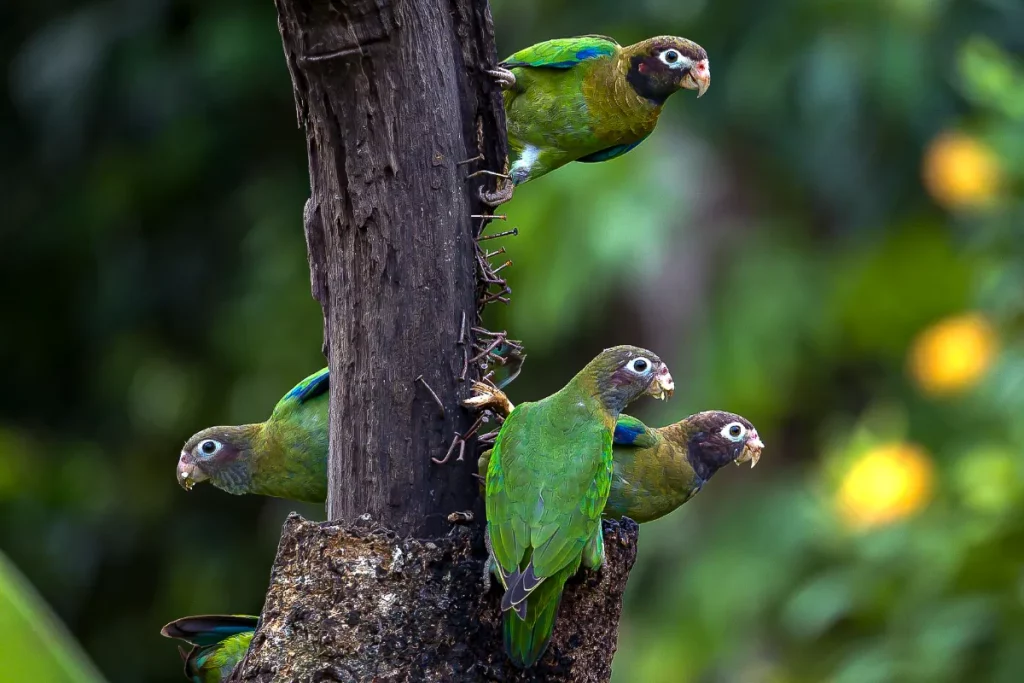
| Boca Tapada | Northern lowland birds, wildlife and macro | Longer transfer rewards a multi-night stay |
| Sarapiquí | Rainforest birds, frogs, reptiles and insects | Humidity and rain are normal field conditions |
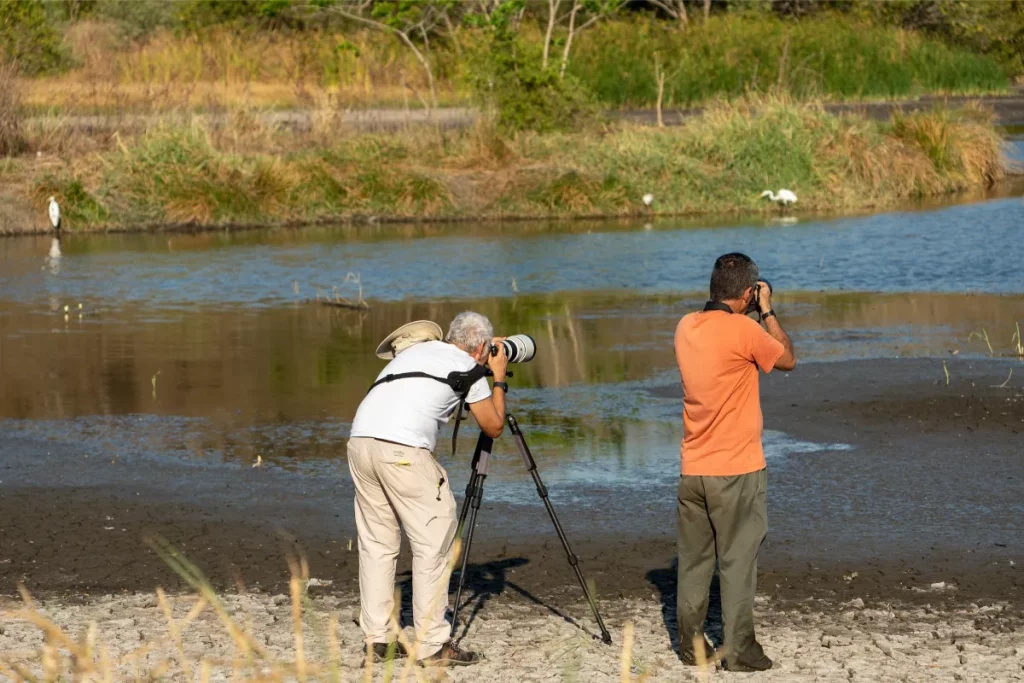
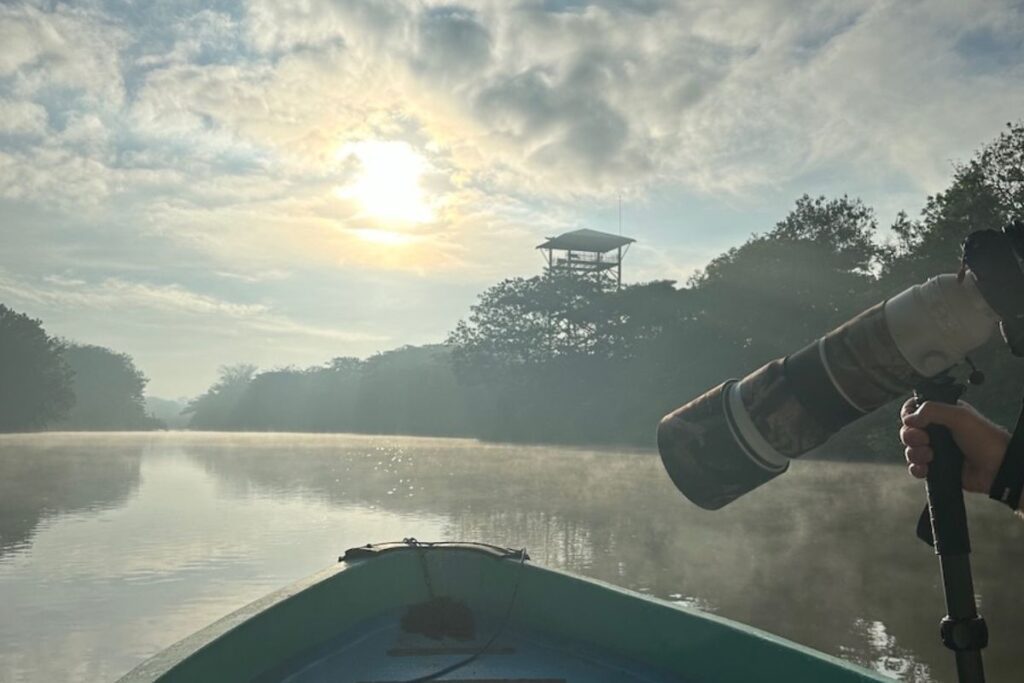
| Caño Negro | Wetland birds and boat photography | Water level and boat position affect backgrounds |
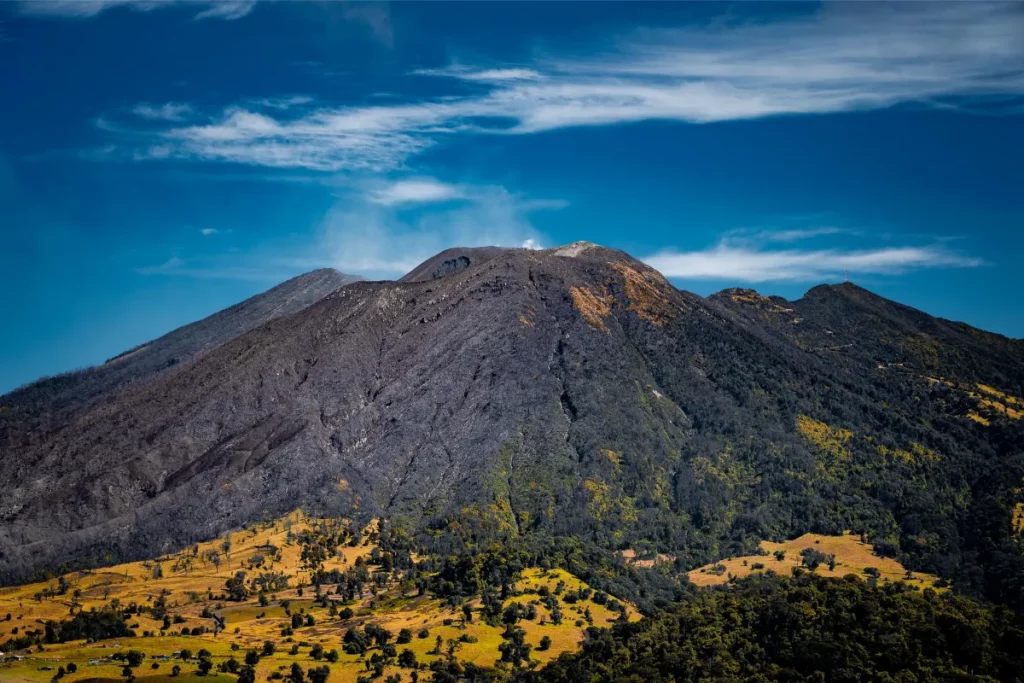
| Arenal | Birds, forest and environmental landscapes | Volcano visibility changes quickly |
| Tortuguero | Canals, birds and rainforest wildlife | Boat access and seasonal logistics |
| South Pacific | Rainforest wildlife and coastal habitat | Longer drives and wetter months require planning |
2. Best Destinations for Bird Photography
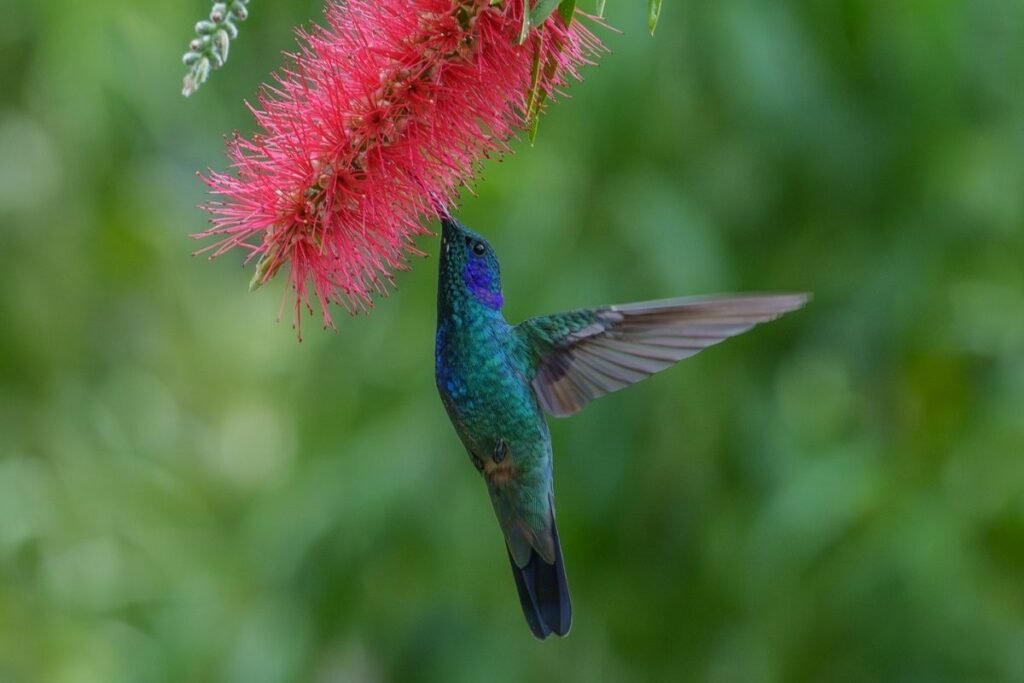
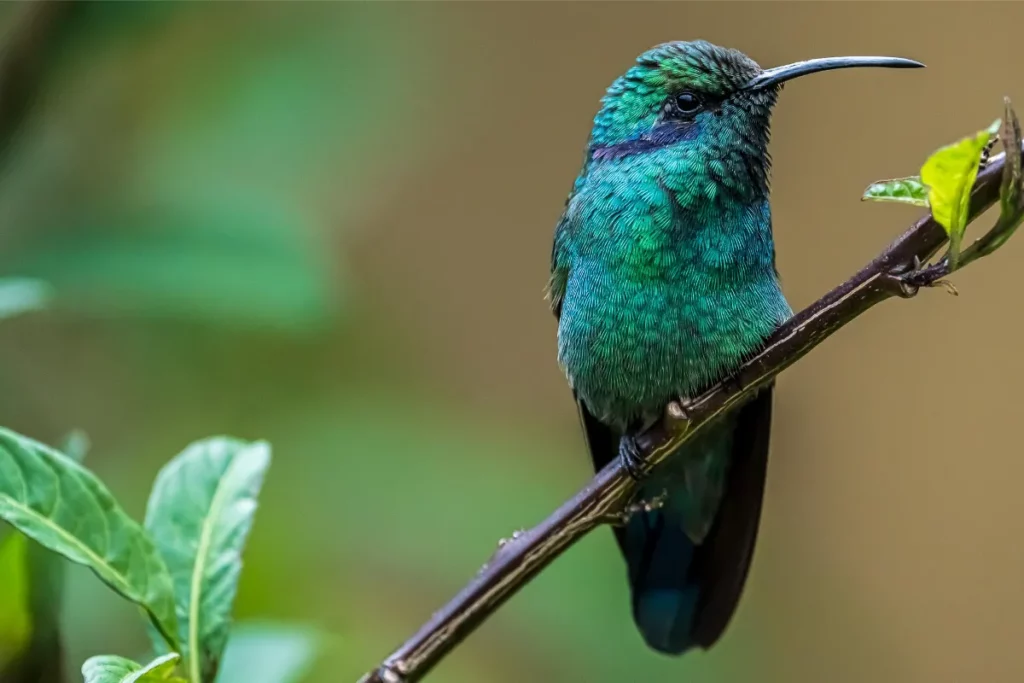
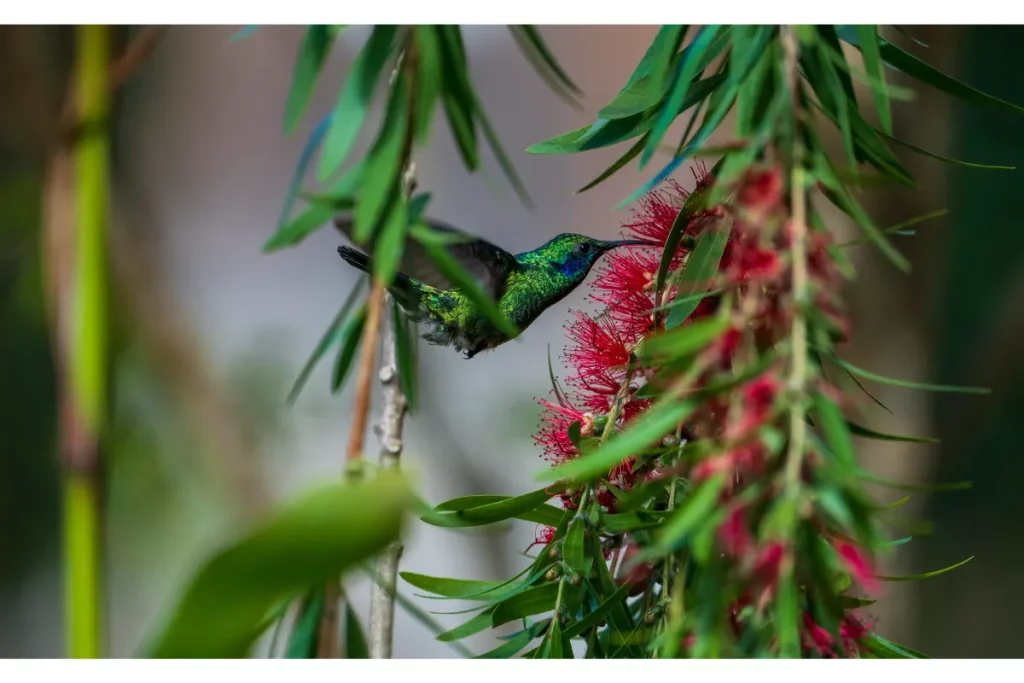
San Gerardo de Dota is the leading highland choice, with cloud-forest birds and multiple quetzal locations. Boca Tapada adds northern lowland species and lodge-based sessions, while Sarapiquí adds Caribbean-slope diversity. Caño Negro is different again: boat access, open wetland light and waterbirds create images that forest destinations cannot.
3. Best Destinations for Wildlife and Macro
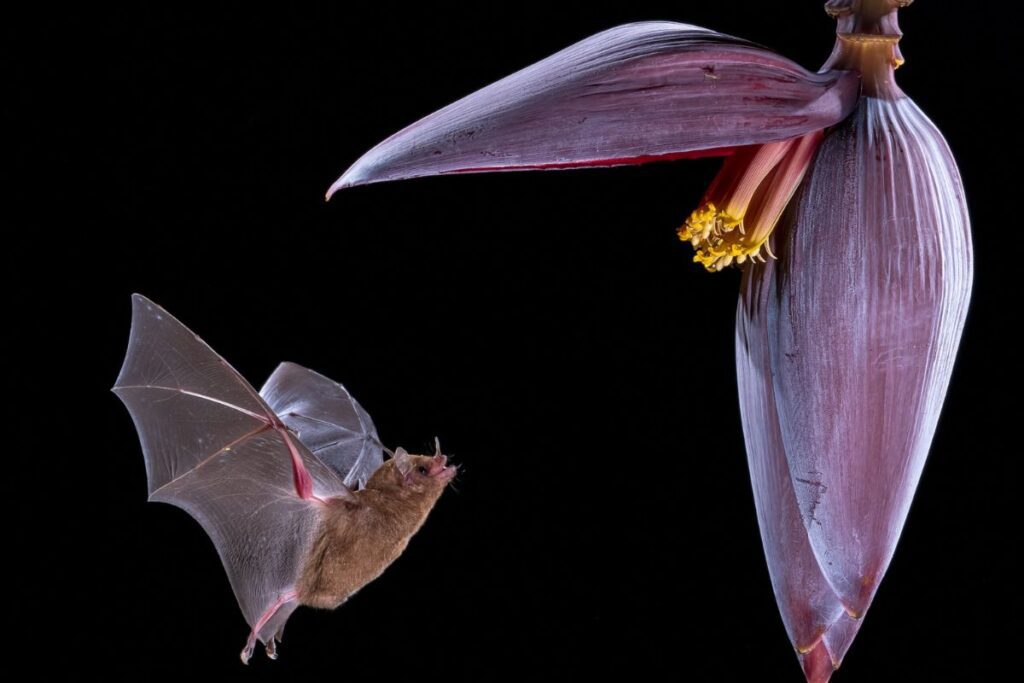
Sarapiquí and the Caribbean foothills are useful for frogs, snakes, insects and nocturnal work. Boca Tapada can combine birds with mammals and small rainforest subjects. The southern Pacific offers broader rainforest wildlife, while Tortuguero is defined by canals and boat-based observation. Species are never guaranteed; a guide’s current knowledge and repeated sessions matter more than a long checklist.
4. Match the Route to Time and Season
Costa Rica’s Pacific and Caribbean slopes have different rainfall patterns, as described by the official climate guide. A route should use those differences instead of assuming one forecast applies nationwide. For a week, choose two or three regions. With ten to fourteen days, add a contrasting ecosystem while preserving two-night stays in the most important locations.
5. Compose a Destination Mix Around Your Subjects
Physis combines target subjects, dates, physical pace, accommodation and companion interests to select destinations. The goal is not to visit the greatest number of places; it is to protect productive field time and create a coherent photographic portfolio.
Frequently Asked Questions
What is the best place for bird photography in Costa Rica?
There is no single best place. San Gerardo de Dota is strong for highland birds, Boca Tapada and Sarapiquí for lowland rainforest species, and Caño Negro for wetlands.
How many destinations should I include?
Two or three destinations usually work well in a one-week trip. Longer itineraries can add regions while preserving repeated sessions and reasonable transfer times.
Are national parks always the best photography locations?
Not always. Private reserves and photography-oriented lodges may offer more controlled access, earlier sessions and better opportunities to return to a productive subject.
Can one trip combine birds, wildlife and macro?
Yes. A route combining highland and lowland rainforest or wetland habitats can support all three, provided the itinerary includes appropriate guides and night sessions.