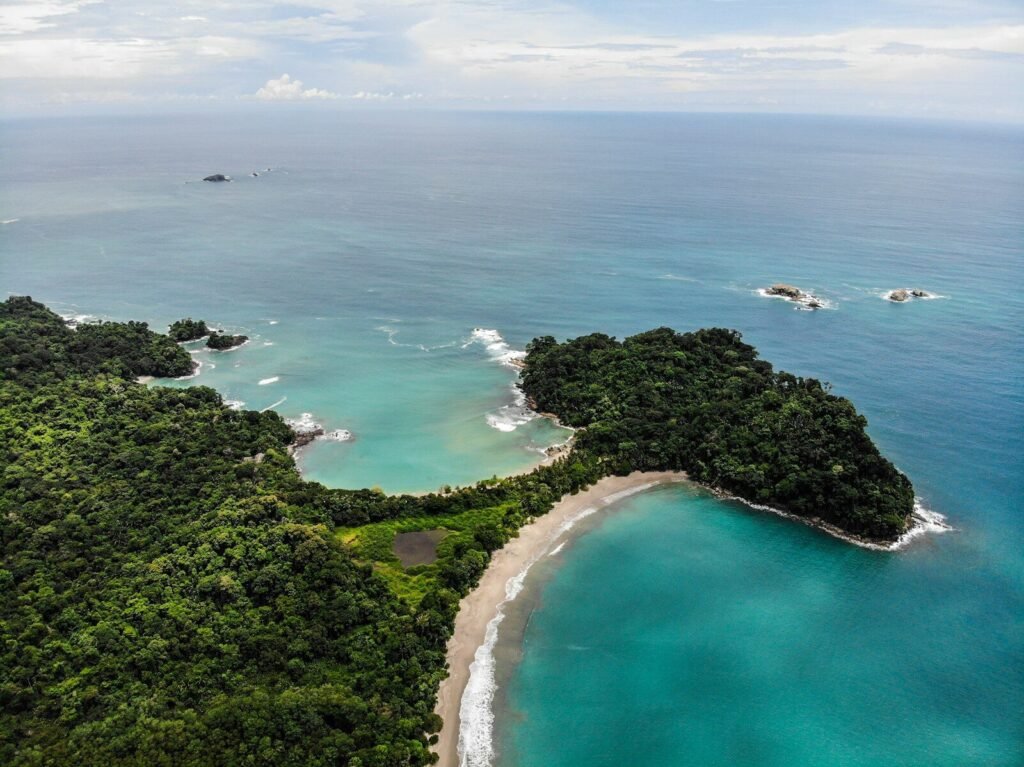
Costa Rica measures about 51,000 square kilometers — smaller than West Virginia. On a map, that makes every destination look close together. In the field, it plays out differently: mountain roads, river crossings, boat-only access, and altitude changes mean that travel time rarely matches straight-line distance. Understanding how logistics actually work is not a footnote to planning a Costa Rica photography tour — it is one of the decisions that determines how much field time you actually get.
This is the layer of planning most visitors underestimate, and the one that separates an itinerary that reads well on paper from one that works in practice.
The Short Answer
Costa Rica’s small size is deceptive: travel between photography destinations is shaped more by terrain, road quality, and elevation change than by distance. Mountain routes, single-lane bridges, and areas reachable only by boat or small aircraft all add real time that a map does not show. A well-built itinerary accounts for this directly — allocating enough nights per region so travel days do not eat into shooting time — rather than treating Costa Rica like a place you can dash across.
Why Distance Is the Wrong Way to Measure a Costa Rica Itinerary
Two points that sit 80 kilometers apart on a map might be a 90-minute drive on paved highway, or a three-hour trip on a winding mountain road with river crossings and unpaved sections. Costa Rica’s terrain — volcanic mountains, river systems, and dense forest — means road infrastructure varies enormously by region. Planning by kilometers instead of by real travel time is the single most common mistake in a self-planned itinerary.
Road Conditions: What Actually Slows You Down
Several factors affect real travel time between Costa Rica destinations more than raw distance:
- Mountain terrain. Routes through highland areas involve elevation change, switchbacks, and lower average speeds than flat highway driving.
- Road surface. Some regions have well-paved primary routes; others rely on gravel or seasonal roads that slow travel further, especially in the green season.
- Weather. Rain affects visibility and road surface differently by region, and can extend travel time unpredictably during the green season.
- Bridges and river crossings. Some regions rely on single-lane bridges or, in specific cases, informal crossings that add time and require local knowledge to navigate safely.
When the Road Ends: Boats and Small Aircraft
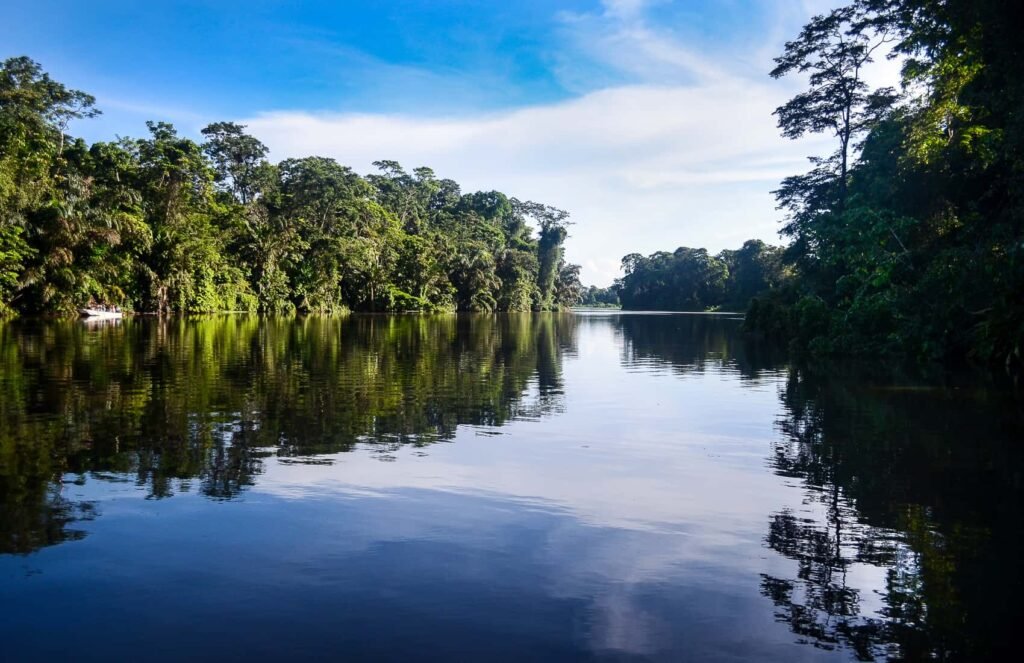
Some of Costa Rica’s most photographically rewarding destinations are not reachable by road at all. Tortuguero, on the Caribbean coast, is accessed only by boat or small aircraft — there is no road connection to the rest of the country. Wetland destinations like Caño Negro and Maquenque are explored by boat once you arrive, which changes both the pace of the day and how you plan your shooting windows around boat schedules rather than road time.
How Many Nights Per Region Actually Makes Sense
The logistics above lead to a practical planning rule: dedicate enough nights per region that a travel day does not consume a shooting day. A common mistake is over-packing an itinerary with destinations, so that every transfer day becomes a lost half-day of photography. Two to three nights per region is generally enough to absorb one transfer day and still leave real field time — fewer regions, worked properly, consistently outperforms a long checklist of quick stops.
Vehicles and Drivers: Why This Detail Matters for Photography
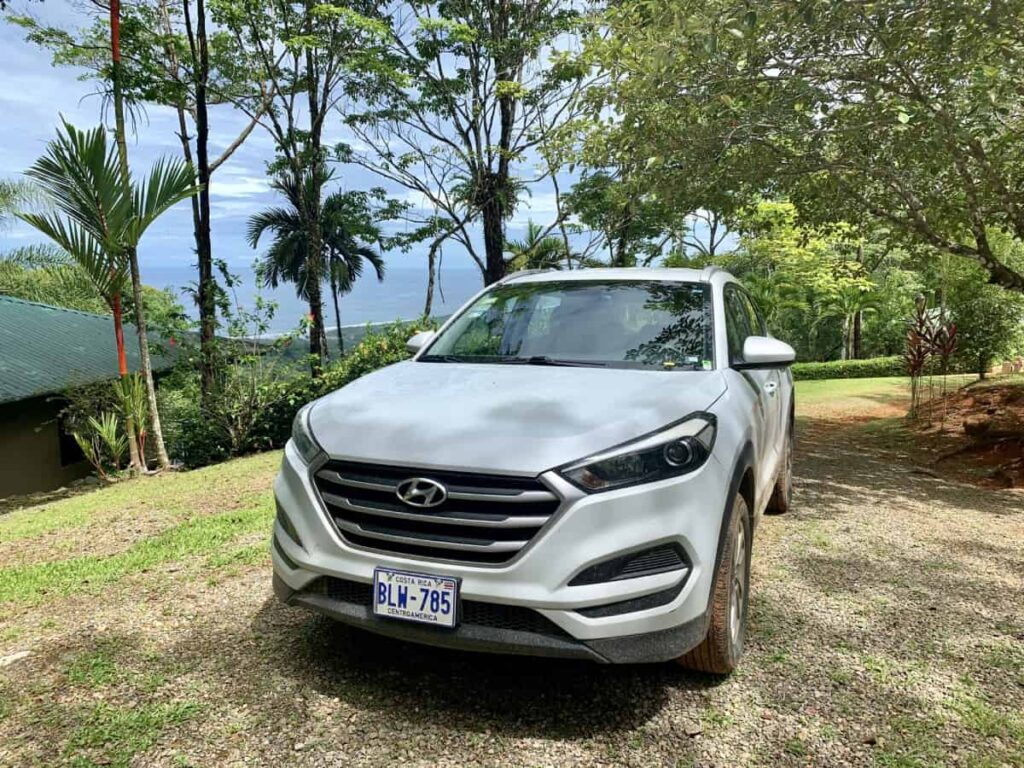
Not every vehicle handles Costa Rica’s terrain equally, and not every driver understands what a photographer needs from a transfer day — the ability to stop for unexpected light or wildlife, patience around gear loading and unloading, and comfort with early departures for first light. Private transportation built specifically around photography needs removes this variable entirely, turning transfer time from a fixed cost into, at minimum, a comfortable reset — and sometimes into an opportunity of its own.
Why This Matters for Tour Leaders and Partners, Too
For photography tour leaders and organizations bringing their own group to Costa Rica, this logistics layer is exactly where local operating knowledge earns its value. Misjudged travel time cascades into missed sessions, rushed groups, and frustrated clients — problems that are avoidable with the right on-the-ground partner. If you are evaluating Costa Rica as a destination for your group, see how starting a program with Physis works.
Plan Logistics Before You Plan Locations
The strongest Costa Rica photography itineraries are built with logistics as a first-order decision, not an afterthought filled in after picking destinations. Explore private Costa Rica photography tours and let real field logistics — not just a map — shape your route.
Frequently Asked Questions
Why does travel take longer in Costa Rica than the distance suggests?
Costa Rica’s terrain — mountain roads, river crossings, and varying road surfaces — slows travel more than distance alone would indicate. A route that looks short on a map can take significantly longer due to elevation changes, road quality, and weather, especially during the green season.
Are some Costa Rica photography destinations only reachable by boat?
Yes. Tortuguero National Park on the Caribbean coast has no road access and is reached only by boat or small aircraft. Several wetland destinations, including Caño Negro and Maquenque, are also explored by boat once you arrive, which shapes the pace of the day around boat schedules.
How many nights should I plan per region in Costa Rica?
As a general guideline, two to three nights per region allows enough time to absorb a travel day without losing significant shooting time. Itineraries that try to cover too many destinations in too few days often lose real field time to transfers.
Do I need a private driver for a Costa Rica photography tour?
It is not strictly required, but it removes significant friction. A driver familiar with photographers’ needs — early departures, unplanned stops for light or wildlife, and patience with gear — turns transfer time into a comfortable part of the trip rather than a fixed cost to endure.
How does logistics planning affect group photography tours in Costa Rica?
For tour leaders and organizations bringing their own group, logistics planning directly affects the client experience. Misjudged travel time can mean missed sessions or rushed groups, which is why many organizations work with a local operator who already understands the terrain and timing.