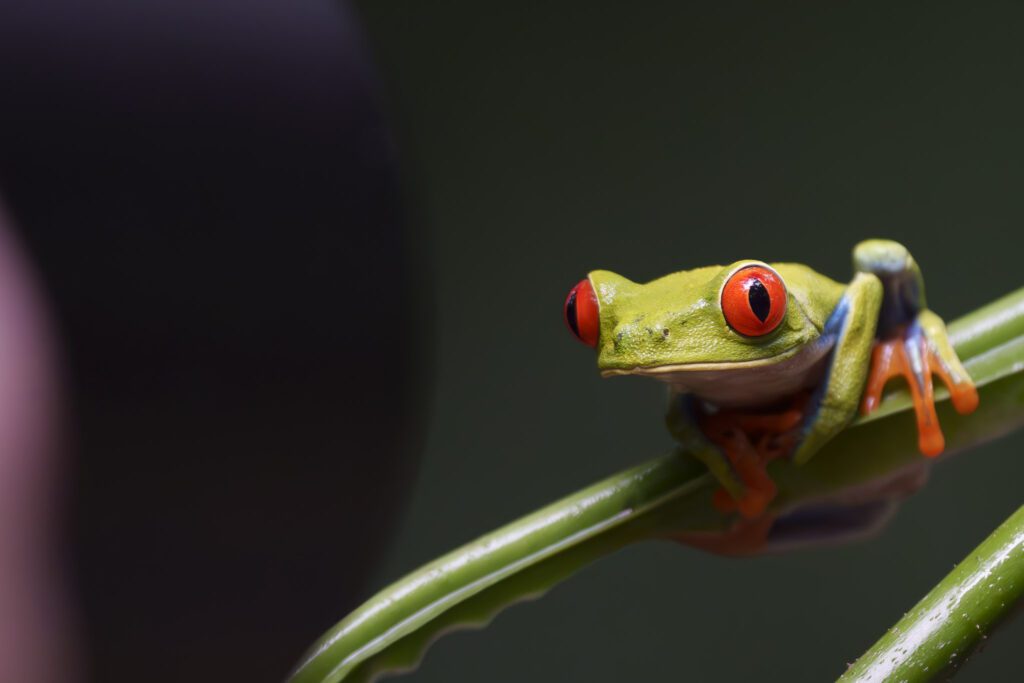

A Costa Rica wildlife photography trip should not be built as a birding itinerary with a few mammals or frogs added when time allows. The strongest private journeys treat birds, mammals, amphibians, reptiles, insects, bats, wetlands and rainforest landscapes as connected parts of the same photographic story.
That requires more than choosing famous destinations. Each subject becomes photographable under different conditions: a tapir may require an early start and current local information; monkeys need fast decisions in the canopy; frogs and snakes require specialist night access; bats depend on a dedicated lighting setup; wetland wildlife benefits from a private boat and the correct water level.
This guide explains what to expect from a private, multi-species wildlife photography trip in Costa Rica and how Physis Photo Tours connects habitats, timing, technique and logistics into one coherent itinerary. Wildlife sightings and photographs can never be guaranteed, but better planning creates more useful time in the field and a wider range of genuine opportunities.
1. What Wildlife Photography in Costa Rica Includes Beyond Birds
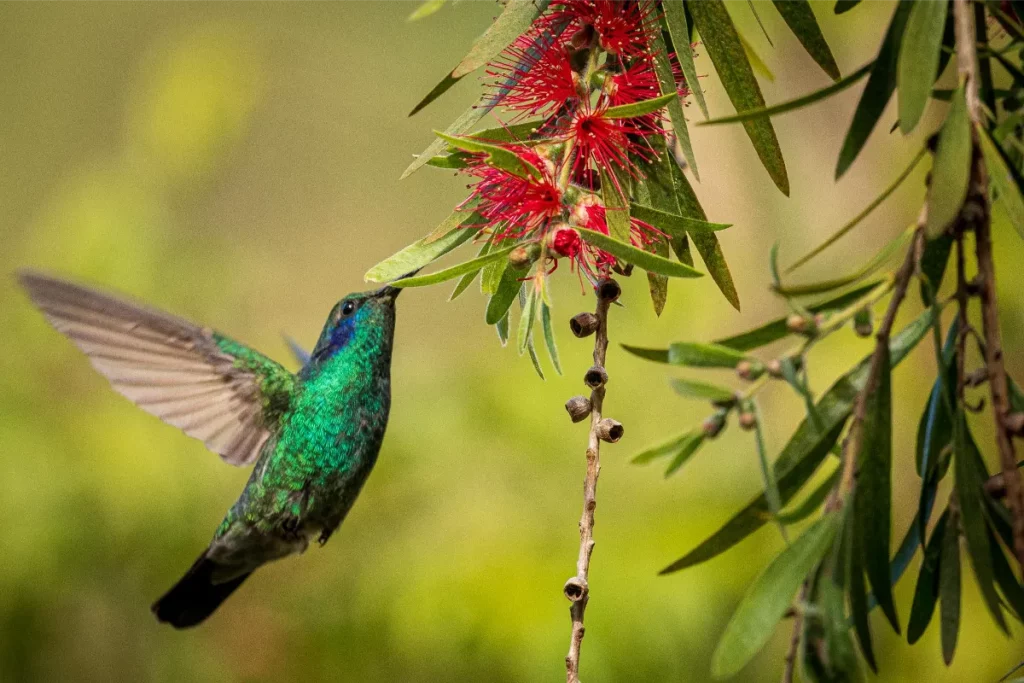
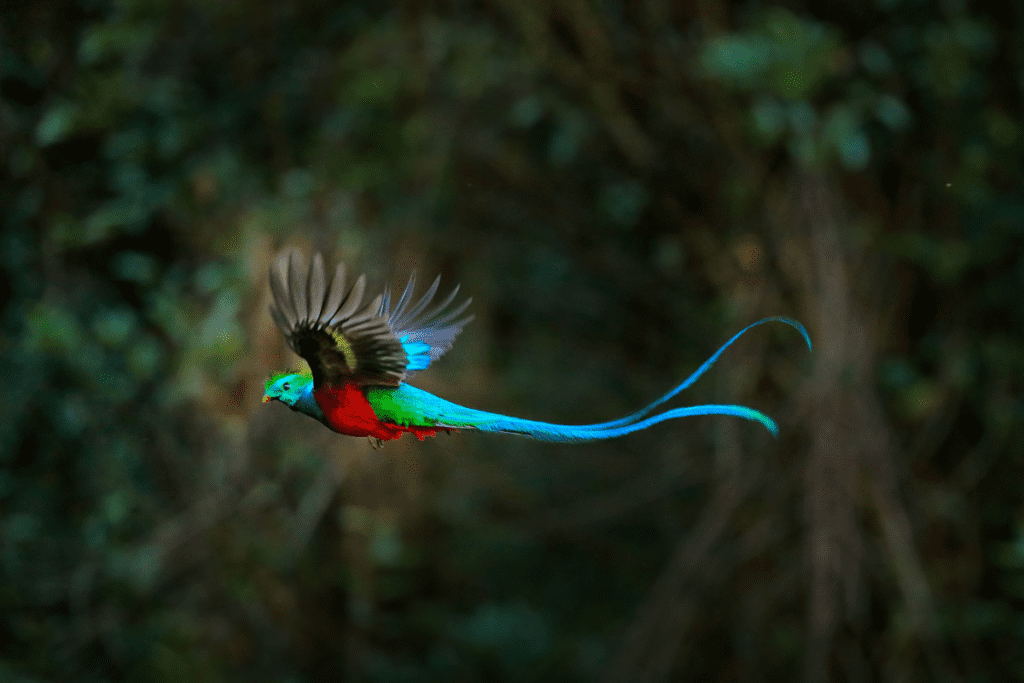
Bird photography remains an important part of Costa Rica. Toucans, macaws, hummingbirds, kingfishers, herons, raptors and the Resplendent Quetzal can produce an extraordinary portfolio. But they represent only one layer of the country’s photographic potential.
A multi-species program looks at complete habitats rather than isolated checklists. When a forest trail is quiet for birds, it may still provide a sloth portrait, a troop of monkeys crossing an opening, an iguana in filtered light, leaf-cutter ants moving across the forest floor or the environmental details that explain where the animals live. When daylight ends, frogs, snakes, insects and bats create an entirely different session.
| Subject group | Possible photographic approach | Main field requirement |
|---|---|---|
| Mammals | Tapirs, sloths, monkeys, coatis, agoutis and environmental portraits | Current local observations, patience, quiet positioning and flexible timing |
| Amphibians and reptiles | Tree frogs, glass frogs, poison dart frogs, snakes, anoles and basilisks | Specialist guides, night access, safe working distances and controlled lighting |
| Macro and invertebrates | Butterflies, beetles, katydids, spiders, ants, fungi and rainforest details | Macro lens, diffuser, low angles and enough time to refine backgrounds |
| Bats | Frozen flight, feeding behavior and nocturnal storytelling | Dedicated multi-flash session, experienced operators and a planned setup |
| Wetland wildlife | Caimans, crocodiles, iguanas, monkeys, kingfishers, herons and other water-associated species | Private boat, suitable water levels, stable support and early or late light |
| Birds | Portraits, flight, behavior, feeders, hides and environmental images | Species-specific locations, working distance, clean light and appropriate focal length |
| Nature and habitat | Rainforest layers, cloud forest, wetlands, rivers, plants, textures and weather | Wide or standard lens, attention to scale and willingness to photograph between wildlife encounters |
The objective is not to photograph every category equally every day. It is to build a route where different subjects become priorities at the right place and time. A photographer may spend dawn with birds and mammals, mid-morning on butterflies or reptiles, late afternoon beside a wetland and the evening on a rainforest night walk.
This broader approach is central to the private Costa Rica wildlife photography tours designed by Physis. Bird photography remains available throughout the journey, but it does not automatically displace the photographer’s interest in mammals, macro, reptiles or nature.
2. How Wildlife Behavior Shapes Every Photography Day
A conventional sightseeing itinerary often organizes the day around hotel schedules, attraction opening hours and fixed departures. A wildlife photography itinerary must also respond to animal behavior, light, recent sightings and weather.
Pre-dawn and early morning
Early morning is usually the principal window for birds, many mammals and activity around forest edges. The session may begin before breakfast when the target requires it. A vehicle should be ready, equipment assembled and batteries checked the night before. Losing the first hour to packing can mean losing the best light.
Telephoto zooms are valuable during this period because the subject can change quickly—from a monkey in the canopy to a toucan on an open perch or a mammal crossing a trail. The photographer must balance shutter speed against low light rather than relying on one universal setting.
Mid-morning and the forest interior
As open areas become brighter and contrast increases, the forest interior may retain softer light. This can be a productive period for sloths, resting reptiles, butterflies, poison dart frogs and environmental images. It can also be used for a specialized setup instead of continuing to drive in search of another distant subject.
Midday as a strategic period
Midday is not automatically wasted time. It may be the right moment to move between destinations, back up files, dry equipment, recharge batteries or photograph macro subjects under forest cover. Rest is also part of a serious wildlife program. Several night sessions combined with consecutive pre-dawn starts can reduce concentration, safety and creativity if the itinerary never allows recovery.
Late afternoon and wetlands
Late afternoon can bring a second period of wildlife activity and warmer directional light. In wetlands, private boat positioning becomes especially valuable: the guide can adjust the angle gradually, protect a low perspective and remain with suitable behavior instead of following the pace of a general-interest excursion.
After dark
Night changes both the subjects and the technique. Rainforest walks may reveal frogs, snakes, insects, spiders, sleeping reptiles and small nocturnal mammals. Dedicated bat photography requires a planned location and multi-flash lighting. These are not incidental add-ons: when night wildlife is a priority, the lodge, guide, equipment and following morning must all be selected accordingly.
Photographers who want to develop this part of their portfolio can also explore Physis’ dedicated Costa Rica macro photography programs.
3. Destinations That Build a Multi-Species Portfolio
The best wildlife itinerary is usually not a collection of the most famous places. It is a sequence of complementary ecosystems with manageable transfers. Each destination should add subjects, photographic conditions or techniques that the previous destination could not provide.
| Destination | Photographic role | Subjects and techniques | Planning consideration |
|---|---|---|---|
| Boca Tapada | Remote northern lowland rainforest | Tapir possibilities, birds, frogs, reptiles, macro, bats and forest wildlife | Allow multiple nights; the transfer is not justified by a rushed visit |
| Sarapiquí and Guápiles | Accessible Caribbean-slope biodiversity corridor | Sloths, monkeys, birds, reptiles, amphibians, insects and specialist private sessions | The exact property and local guide matter more than the destination name alone |
| Bijagua | Contrasting northern rainforest and weather transition | Rainforest wildlife, frogs, reptiles, insects, birds and wider nature images | Flexible scheduling is important because local weather can change quickly |
| Caño Negro | Open wetland and river environment | Caimans, iguanas, monkeys, waterbirds, flight photography and reflections from a boat | Water level, departure time and a private photography boat affect the session |
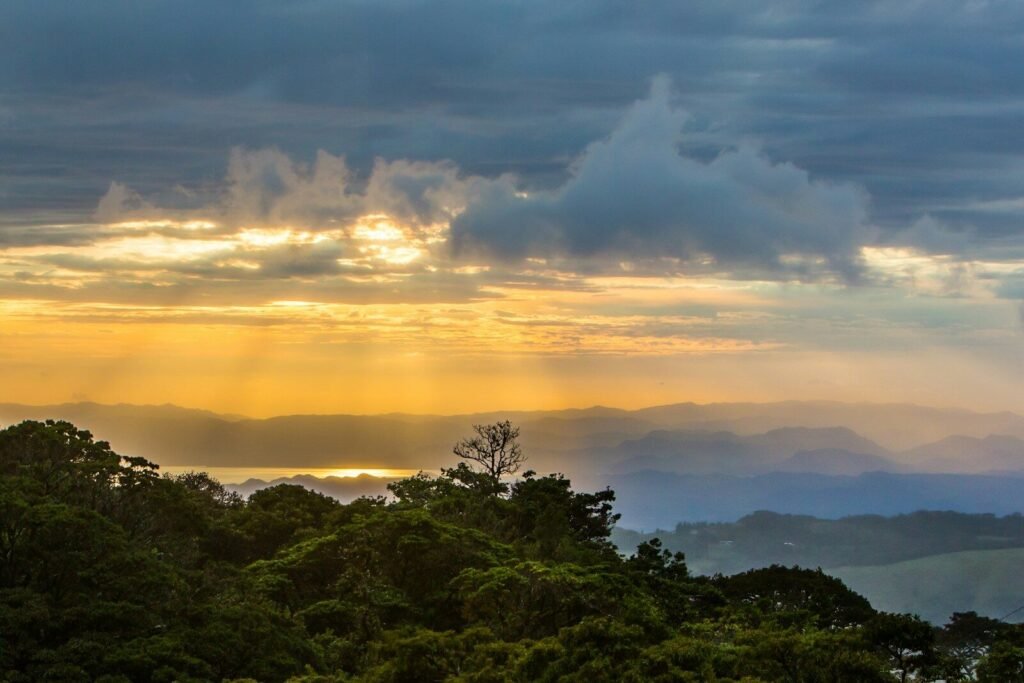
| San Gerardo de Dota | High-elevation cloud forest contrast | Quetzals, highland birds, mist, forest atmosphere and landscape details | Cool temperatures, altitude and low forest light require different preparation |
| Other regions | Subject-specific or seasonal extension | Osa, Tortuguero, Monteverde and other habitats selected around the photographer’s goals | Add a region only when its photographic value justifies the transfer |
Boca Tapada: lowland rainforest in depth
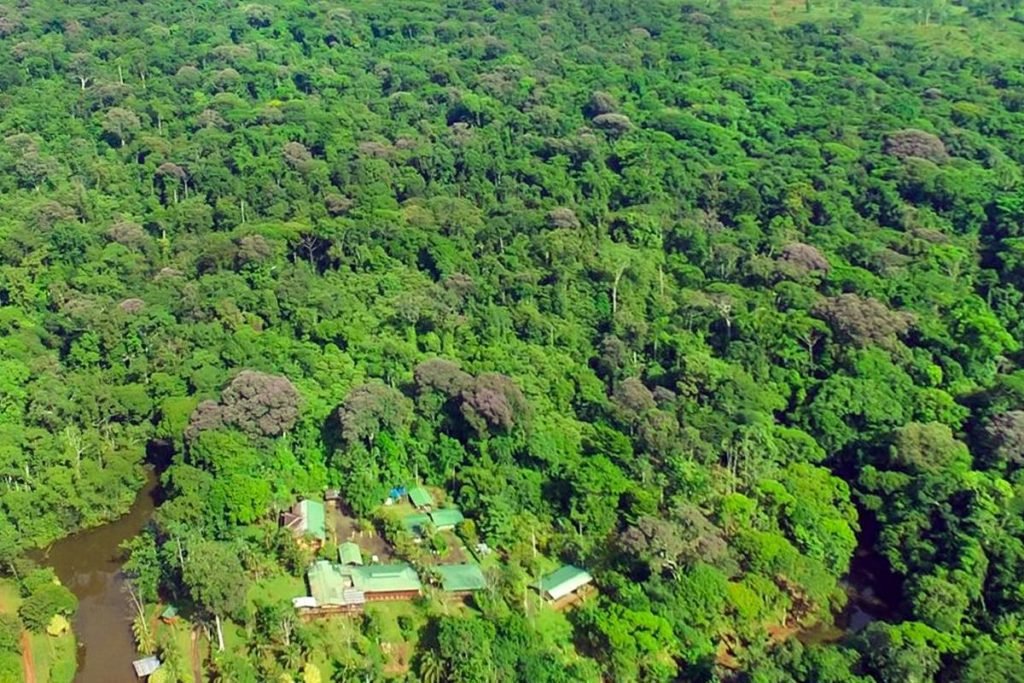
Boca Tapada can anchor a wildlife itinerary because activity continues across the day: birds and mammals in the morning, rainforest and macro subjects through the day, and frogs, reptiles, insects or specialized bat sessions after dark. The principal logistical mistake is staying only one night. A remote destination needs enough time to absorb rain, changing activity and more than one light window.
Sarapiquí and Guápiles: access to specialists and varied habitats
Sarapiquí and Guápiles provide access to private reserves, family-owned properties and local specialists across the Caribbean slope. These areas are useful for photographers who want to move between wider wildlife, birds and macro without changing hotels after every session. The correct property depends on the target; two locations within the same region may offer completely different light, working distance and subject access.
Bijagua: a different rainforest rhythm
Bijagua introduces another rainforest environment and can connect northern destinations without simply repeating the same photographic conditions. It can contribute frogs, reptiles, insects, birds, mammals and environmental nature photography. Physis evaluates the exact locations and recent conditions instead of treating the entire destination as uniformly productive.
Caño Negro: wildlife photography from the water
Caño Negro changes the visual language of the trip. Open water, reflections, flight paths and wildlife along the banks contrast with the layered backgrounds of rainforest trails. A private boat is not simply a comfort upgrade: it gives photographers more control over pace, direction of light, background and the time spent with suitable behavior.
4. How Long to Travel, When to Go and What to Bring
Seven nights: choose priorities
A seven-night trip should normally concentrate on two regions. Combining Sarapiquí or Guápiles with Boca Tapada, Bijagua or Caño Negro can provide meaningful variety without turning every day into a transfer. The photographer must decide which subject categories matter most.
Ten nights: a balanced multi-species journey
Ten nights allow three complementary ecosystems and enough time for repeated morning, afternoon and night opportunities. This is often the most efficient length for a first wildlife-focused journey: varied enough to demonstrate Costa Rica’s biodiversity, but still disciplined enough to avoid constant packing.
Fourteen nights: depth and weather flexibility
Fourteen nights can combine rainforest, wetland, foothill and highland environments. The additional days should create depth and flexibility—not merely add more hotel names. Longer stays make it easier to revisit a productive location, adjust for rain, include specialized sessions and balance intensive photography with recovery.
When should you travel?
Wildlife photography is possible throughout the year, but there is no single best month for every subject and region. Drier periods can simplify access and produce more predictable travel conditions. Rainier periods can increase amphibian and insect activity, deepen rainforest color and create softer light. Caribbean and Pacific weather patterns also differ, so a national dry-versus-green-season answer is incomplete.
Start with the subjects, not the calendar slogan. Our guide to the best time for wildlife photography in Costa Rica explains how regional conditions affect the decision.
A practical multi-species camera kit
- A 100–500mm, 200–600mm or similar telephoto zoom for wildlife and birds
- A 70–200mm lens for larger mammals, environmental portraits and flexible low-light work
- A 90–105mm macro lens for frogs, insects and small details
- A wide or standard zoom for rainforest, wetlands, travel and habitat images
- An external flash and diffuser when ethical and permitted
- A monopod or compact tripod chosen for the actual sessions
- Rain protection, dry bags, microfiber cloths and silica gel
- Spare batteries, flash batteries, memory cards and a reliable backup system
- A backup camera body when practical
Equipment recommendations must follow the itinerary. A wetland-heavy trip favors telephoto flexibility and support on a boat. A macro-focused route needs flash, diffusion and more battery capacity. A mixed program benefits from two bodies because changing lenses in rain, dust or high humidity can be impractical.
Ethical field practice applies to every subject: do not handle or reposition wildlife, block movement, damage vegetation, crowd an animal or continue when behavior changes. The local guide’s safety and welfare decision takes priority over the photograph.
5. How Physis Designs a Private Multi-Species Photography Trip
Physis Photo Tours begins with the photographer, not a fixed circuit. The planning conversation identifies target species, desired types of images, travel dates, available days, camera equipment, experience level, physical pace, accommodation preferences and the needs of any non-photographing companion.
Those answers determine the route and its rhythm. A client interested in mammals, frogs and bats needs a different sequence from someone prioritizing wetland behavior, birds in flight and rainforest landscapes. Both are wildlife photography trips, but the guides, sessions, start times, equipment and lodging choices should not be identical.
Physis then coordinates the elements that are easy to underestimate when planning independently:
- Destinations chosen for the target subjects rather than general popularity
- Local naturalist and photography specialists matched to each session
- Private transportation capable of adapting to weather and current activity
- Private boats when photographic positioning matters
- Lodges selected for access, charging, equipment management and travel flow
- Morning, afternoon and night sessions arranged around realistic recovery time
- Alternatives for companions who do not want to photograph continuously
This structure reflects the experience of Physis programs that have combined birds, bats, reptiles, frogs, tapirs, sloths, monkeys, wetlands and macro subjects within one private journey. It is evidence of a broader operating capability—not a guarantee that the same species will appear on every departure.
To begin composing your trip, send Physis your preferred dates, number of nights, priority species or subject categories, photographic experience, camera and lenses, preferred pace, accommodation expectations and companion needs. We can then recommend the ecosystem sequence and session structure that make the best use of your time.
Frequently Asked Questions
Is Costa Rica wildlife photography mostly about birds?
No. Birds are an important part of Costa Rica photography, but a well-designed wildlife trip can also prioritize mammals, frogs, snakes, insects, bats, caimans, monkeys, sloths, wetlands and rainforest habitats. The itinerary should reflect the photographer’s complete subject list.
How many days do I need for a Costa Rica wildlife photography trip?
Seven nights can cover two regions with clear priorities. Ten nights usually support a balanced three-ecosystem journey. Twelve to fourteen nights provide greater subject diversity, repeated sessions and flexibility for weather without requiring a hotel change every day.
Which Costa Rica destinations are best for multi-species wildlife photography?
Boca Tapada, Sarapiquí, Guápiles, Bijagua and Caño Negro provide complementary rainforest and wetland opportunities. San Gerardo de Dota or another highland region can add cloud forest contrast. The correct combination depends on target subjects, dates and available days.
Can I combine mammals, macro photography and birds in one trip?
Yes. A private itinerary can schedule mammals and birds during early activity, macro or reptile work during suitable daylight periods, wetlands in late light and frogs, insects or bats after dark. The route must protect time for each priority rather than treating macro and mammals as incidental additions.
What lenses should I bring for a multi-species photography trip?
Most photographers benefit from a telephoto zoom such as 100–500mm or 200–600mm, a 70–200mm lens, a 90–105mm macro lens and a wide or standard zoom for habitats. The final kit should be adapted to the destinations, transportation and priority subjects.
Can a non-photographer join a private Physis wildlife trip?
Yes. A private program can balance intensive sessions with nature walks, boat journeys, comfortable lodges, scenic destinations and free time for companions. Their interests, physical pace and accommodation preferences should be discussed during the initial planning conversation.